
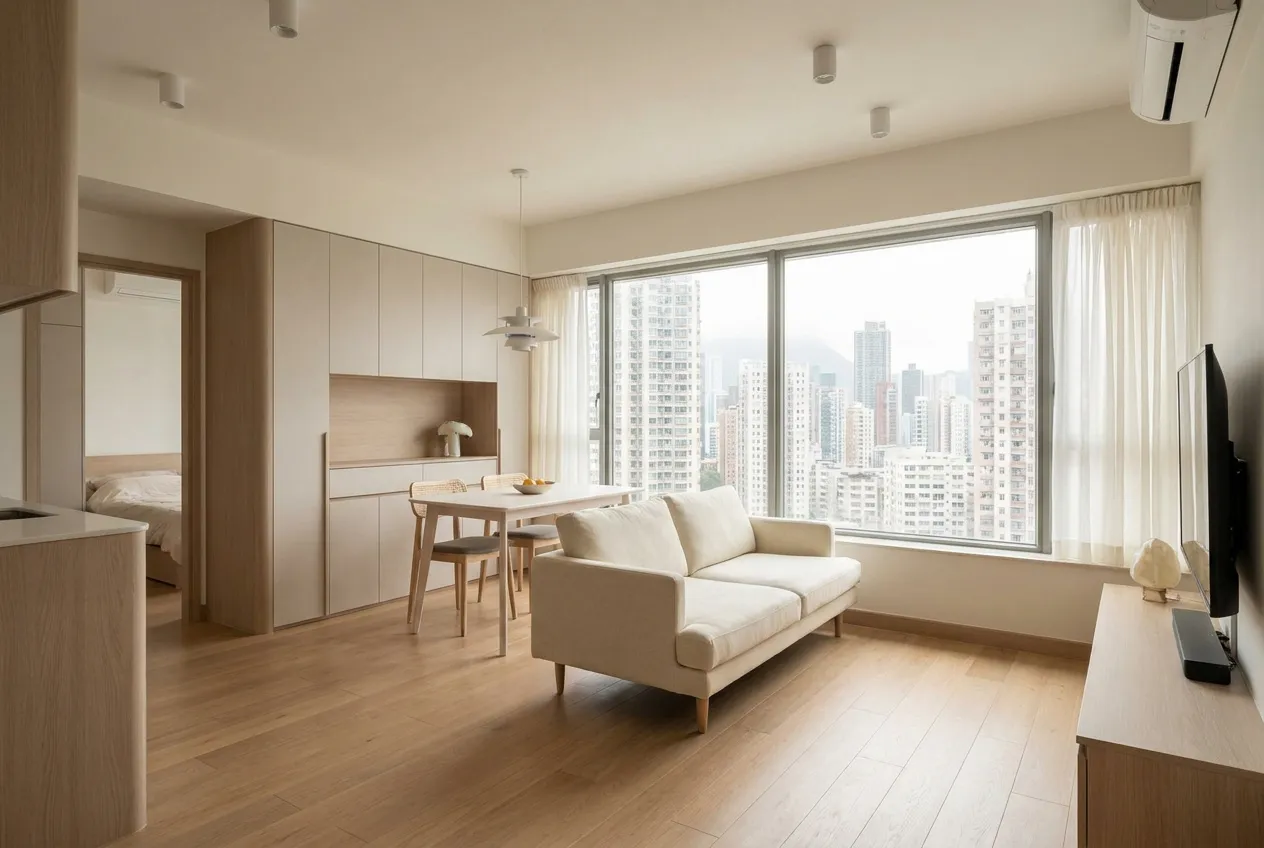
A Hong Kong flat renovation is never one-size-fits-all, because the kind of home you own decides much of what is possible. A subsidised HOS flat, a public rental unit, a private estate apartment, a village house and a brand-new handover each come with their own layouts, rules and starting conditions. Some share the same walls you cannot remove and the same lift-access constraints; others have rooftops, staircases and approvals to think about. Before you compare quotes or pick a style, it helps to know which category your home falls into, because that single fact shapes the budget, the scope and the paperwork. This guide maps the main Hong Kong home types and points you to the right detailed guide.
Why the type of home changes everything
Two flats of the same floor area can need completely different work depending on what kind of home they are. The building's age decides how much rewiring and re-piping is likely. The ownership type decides which rules you answer to, whether that is the Housing Authority, an estate management office, or village-house regulations.
A new handover may need only a clean fitting-out, while a decades-old flat can need its services renewed from scratch. A village house brings floors, a roof and drainage that a tower flat never will. So before anything else, identify your category honestly. It is the fastest way to set realistic expectations on cost and timeline.
HOS flats and public housing
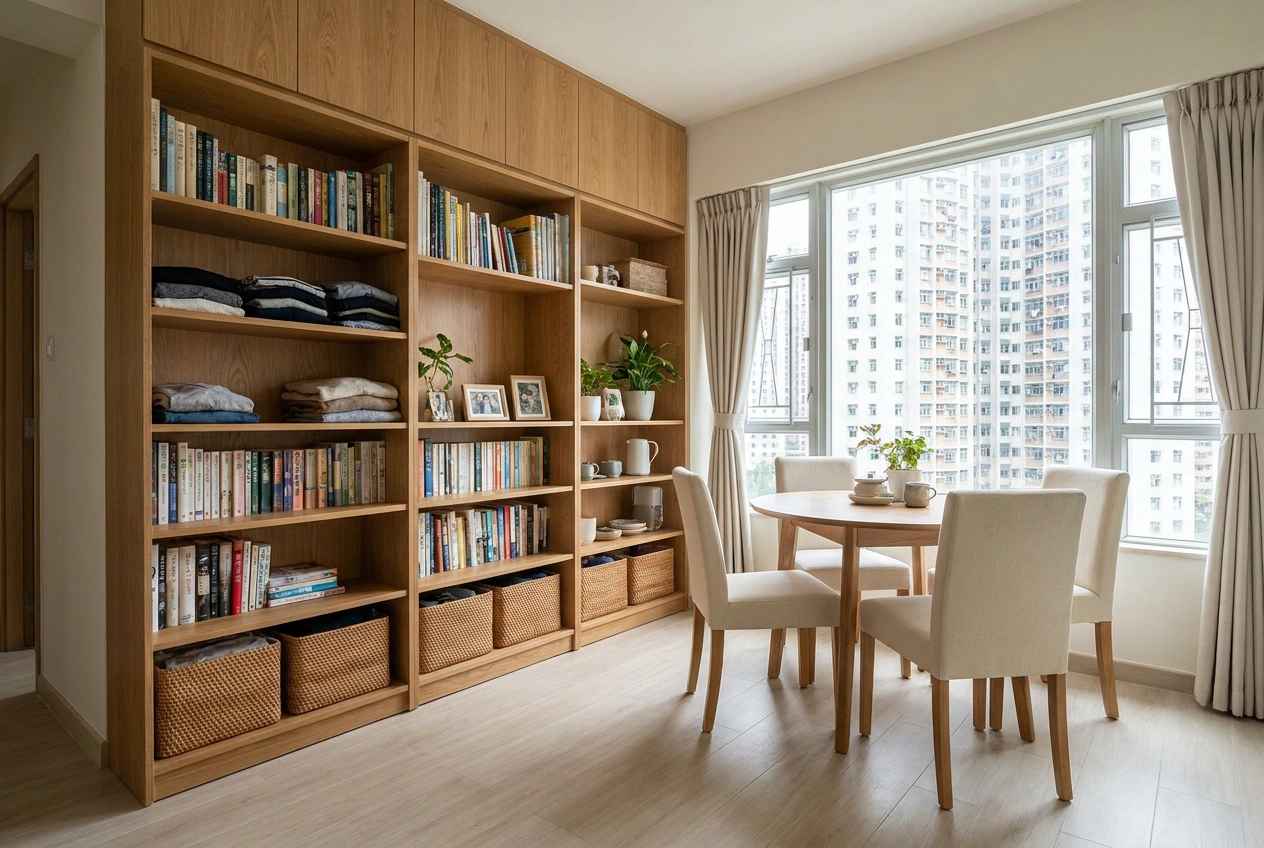
Subsidised homes come with rules that private flats do not. HOS (Home Ownership Scheme) flats follow Housing Authority guidelines, and structural walls in these blocks are very often load-bearing, so the layout you start with is largely the layout you keep.
Public rental flats are tighter still: you are a tenant, so changes are limited to what the Housing Authority permits, and durable, low-maintenance choices matter most. In both cases the smart move is to plan around fixed walls rather than against them, and to invest where daily life actually happens: storage, the kitchen and the bathroom. We cover each in its own guide below.
Private estates and new handovers
Private estate apartments give you more design freedom, but the building's management office still sets the working hours, lift protection and deposit rules you must follow. Older estates may need rewiring and fresh plumbing; newer ones usually need only fitting-out.
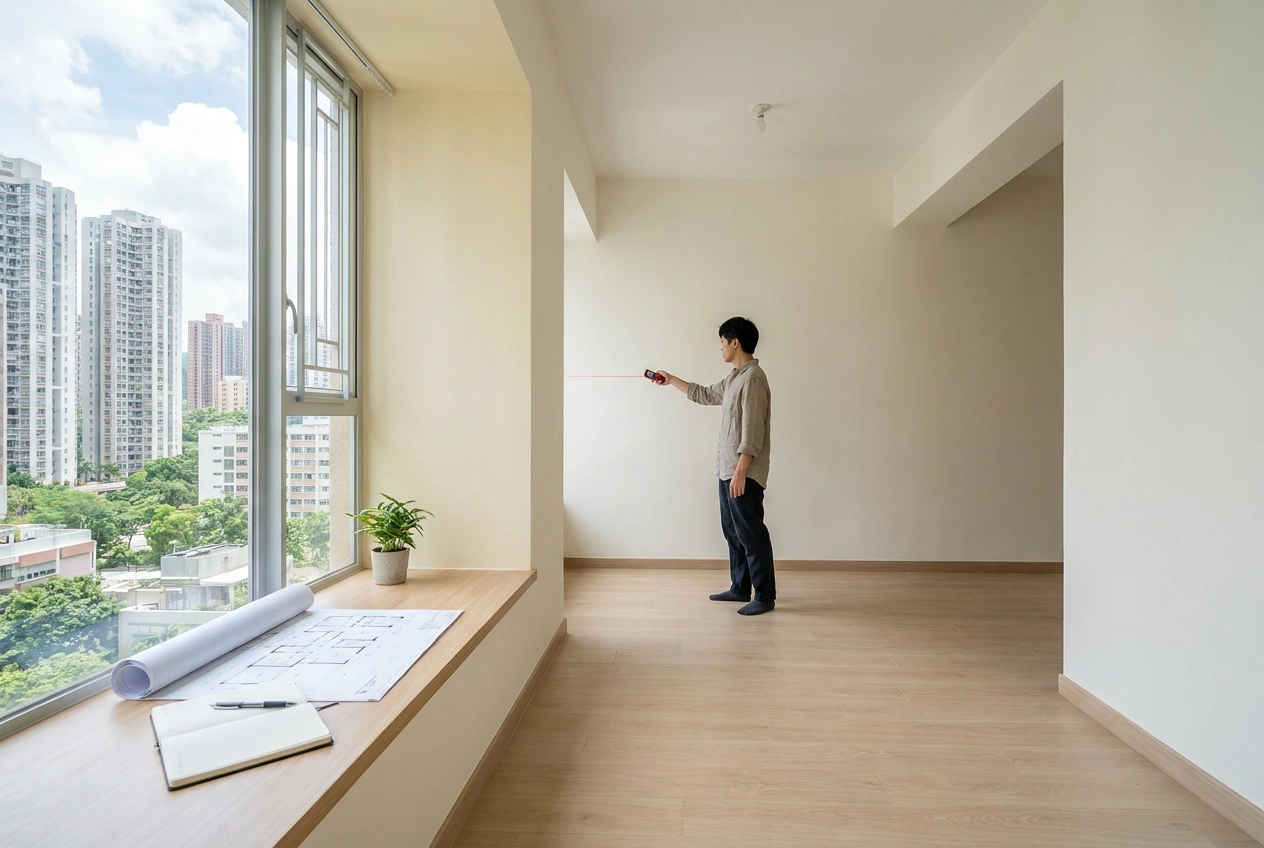
A brand-new handover is its own situation. The flat arrives as a bare or lightly finished shell, and the first job is not design but inspection: checking the developer's work for defects before you build over them. Skipping that step is one of the most common and costly mistakes, which is why we treat handover inspection as a guide of its own.
Village houses are a different scale
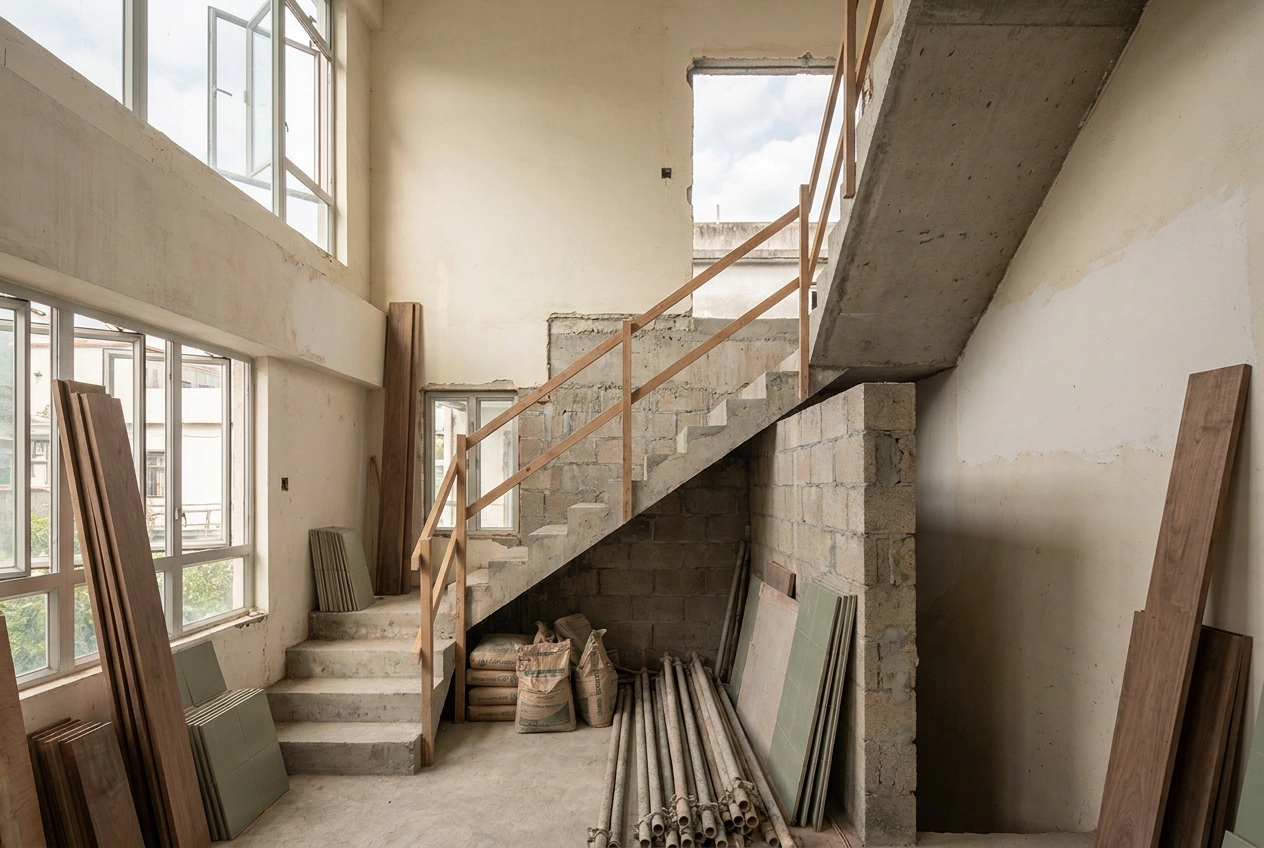
A village house is a different kind of project altogether. Instead of one floor, you typically have several, linked by staircases, often with a rooftop and sometimes a garden. That means more area, more materials and more trades than a tower flat of the same household size.
It also brings concerns a flat never has: waterproofing across the roof and external walls, drainage, the water supply, and approvals you should be aware of before major works. The scope is larger and the planning matters more, so a village house deserves its own dedicated guide rather than being lumped in with flats.
The constraints almost every HK home shares
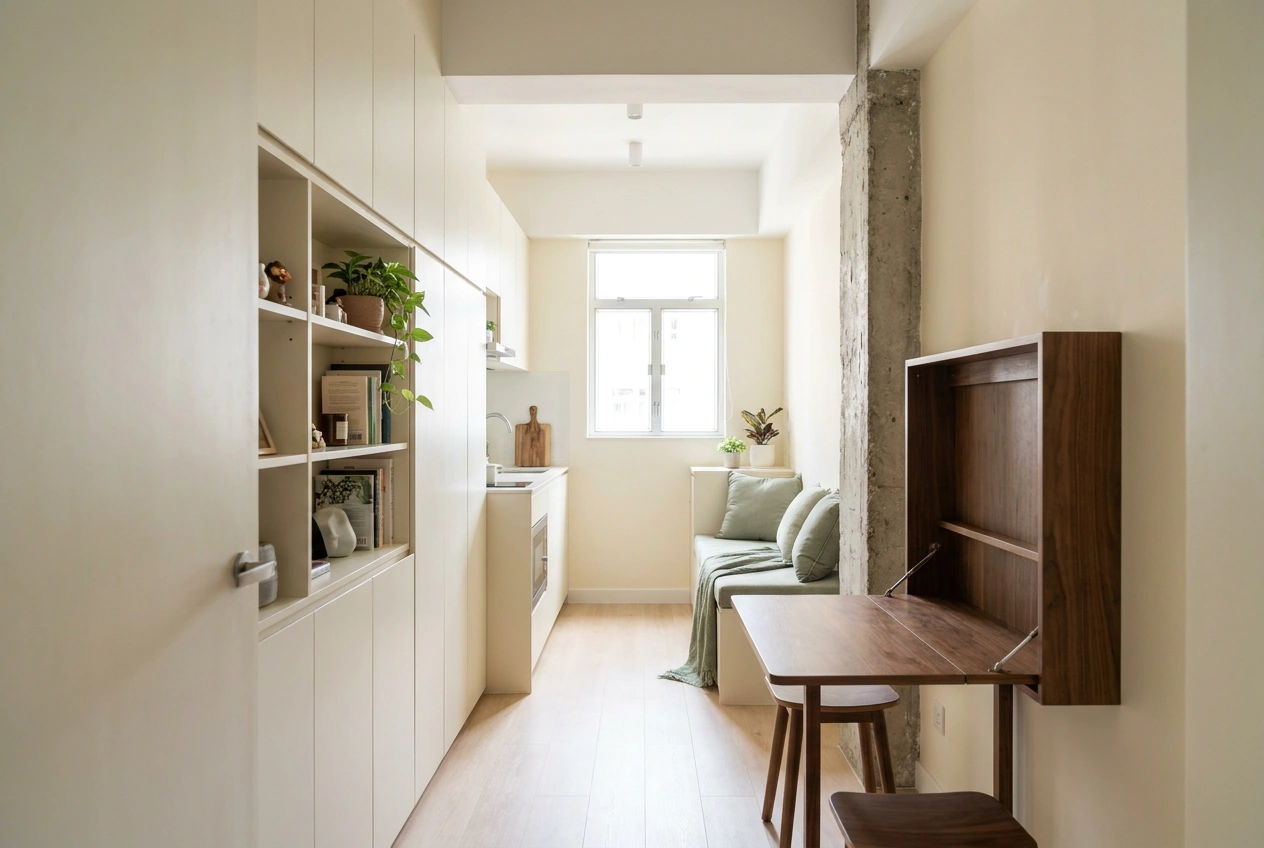
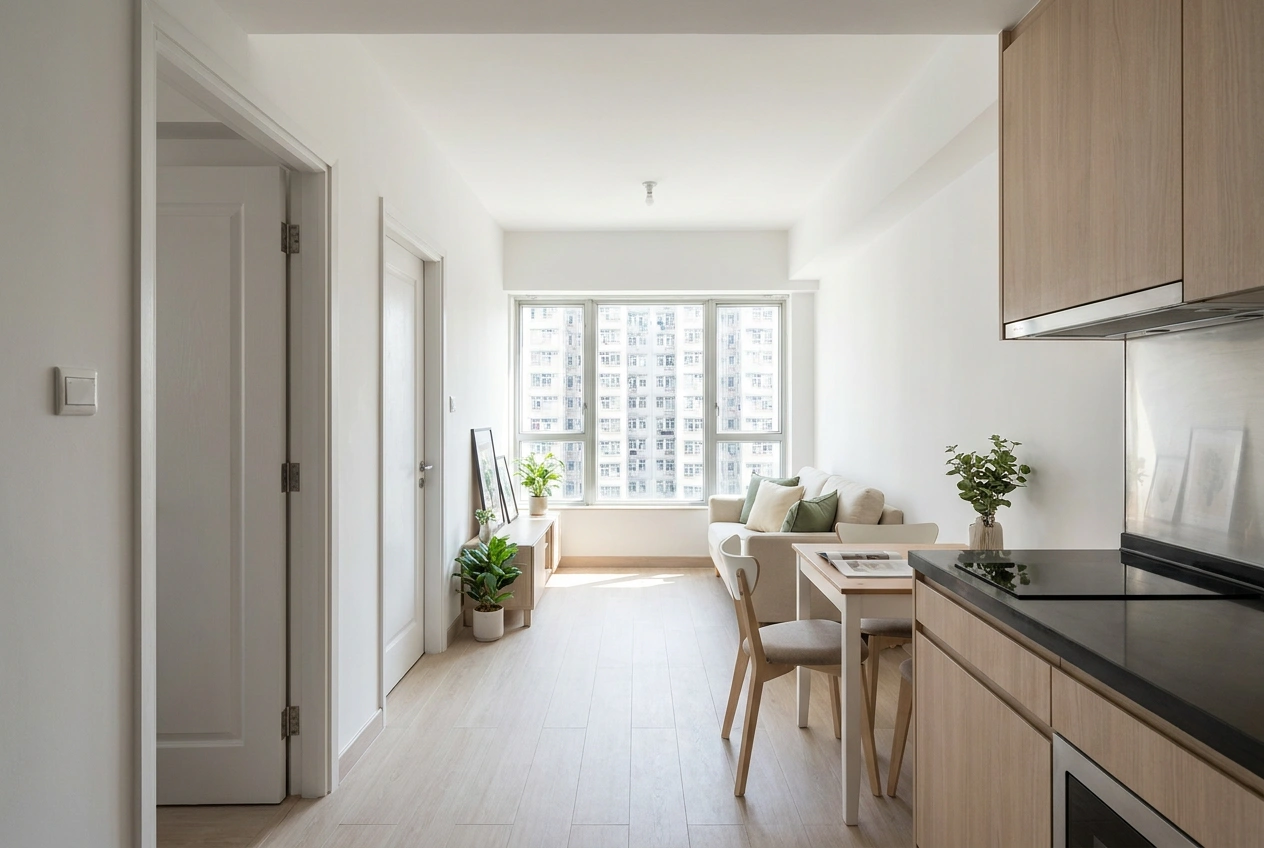
Whatever your home type, a few Hong Kong realities apply to nearly all of them. Floor areas are tight, so clever storage and multifunctional layouts do a lot of the heavy lifting. Many internal walls are structural and cannot simply be knocked through. And almost every building has a management regime governing working hours, debris removal, lift protection and deposits.
Understanding these shared constraints early saves disappointment later, because they quietly set the boundaries of what any design can do. A good designer works within them from the first sketch, rather than discovering them halfway through the build.
How to find the guide that fits you
Start by naming your home: is it an HOS flat, a public rental unit, a private estate apartment, a village house, or a new handover. From there the path is simple.
If your flat is small, our small-flat guide covers space-saving layouts and storage. If you are collecting keys to a new or second-hand flat, read the handover inspection guide first. HOS and public-housing owners each have a tailored guide for their rules and priorities, and village-house owners have one built around floors, roofs and waterproofing. Whichever applies, the next step is the same: a free consultation with our team, by appointment, to talk through your specific home.
Open WeChat, Discover, Scan
Or save the QR and import it from your gallery.