
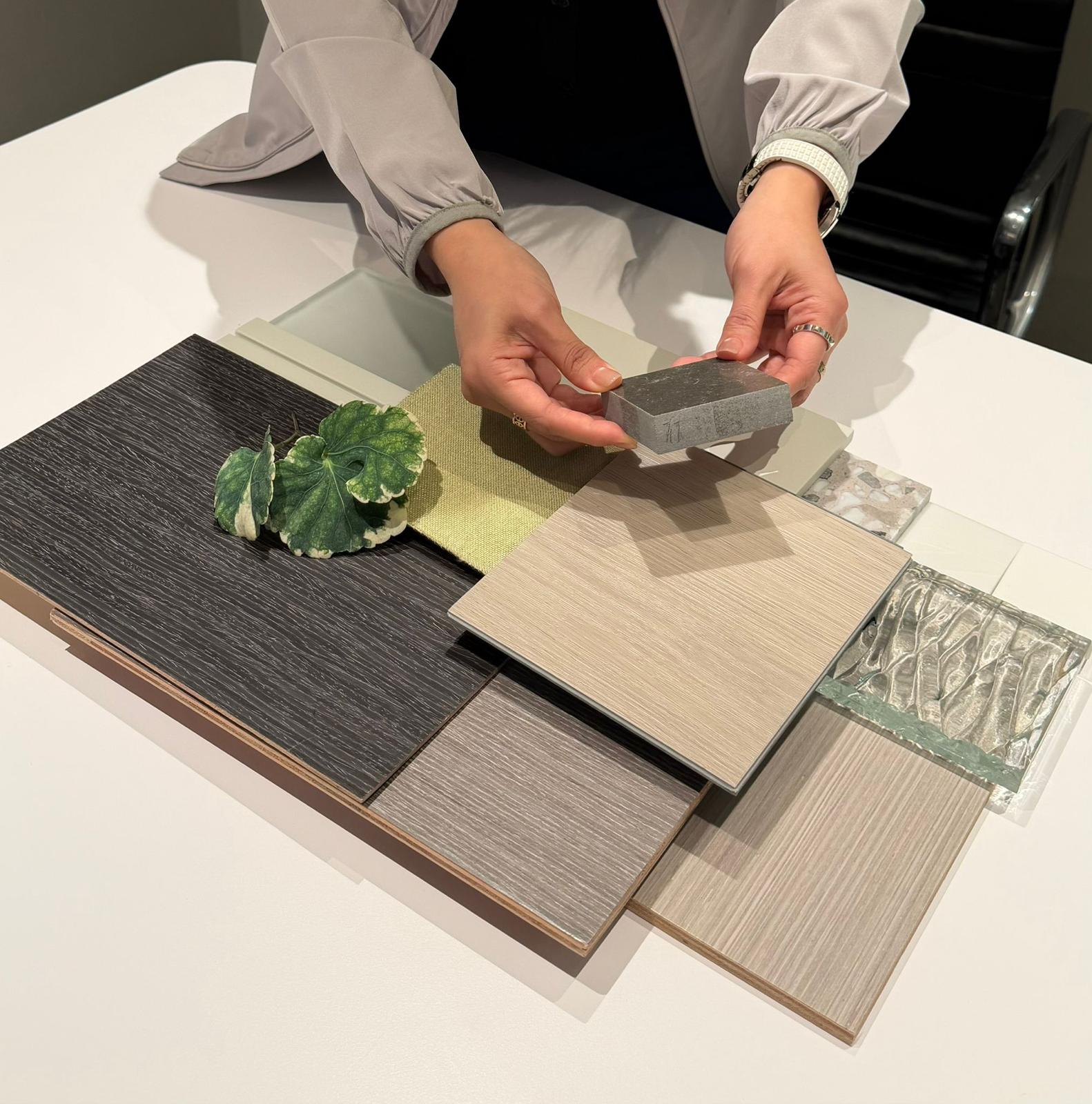
Renovation materials are where a home is quietly made or undone, because the same room can look identical on day one yet age completely differently over five years. Flooring, worktops, the boards behind your joinery, and paint each come in tiers, and the cheapest option is rarely the best value once Hong Kong's heat and humidity get to work. The trick is knowing what genuinely lasts versus what merely looks good in a showroom. This guide is a plain-language primer on the main material choices for a Hong Kong home, the trade-offs of each, and the climate considerations that should shape every decision you make.
Flooring: tiles, vinyl and engineered wood
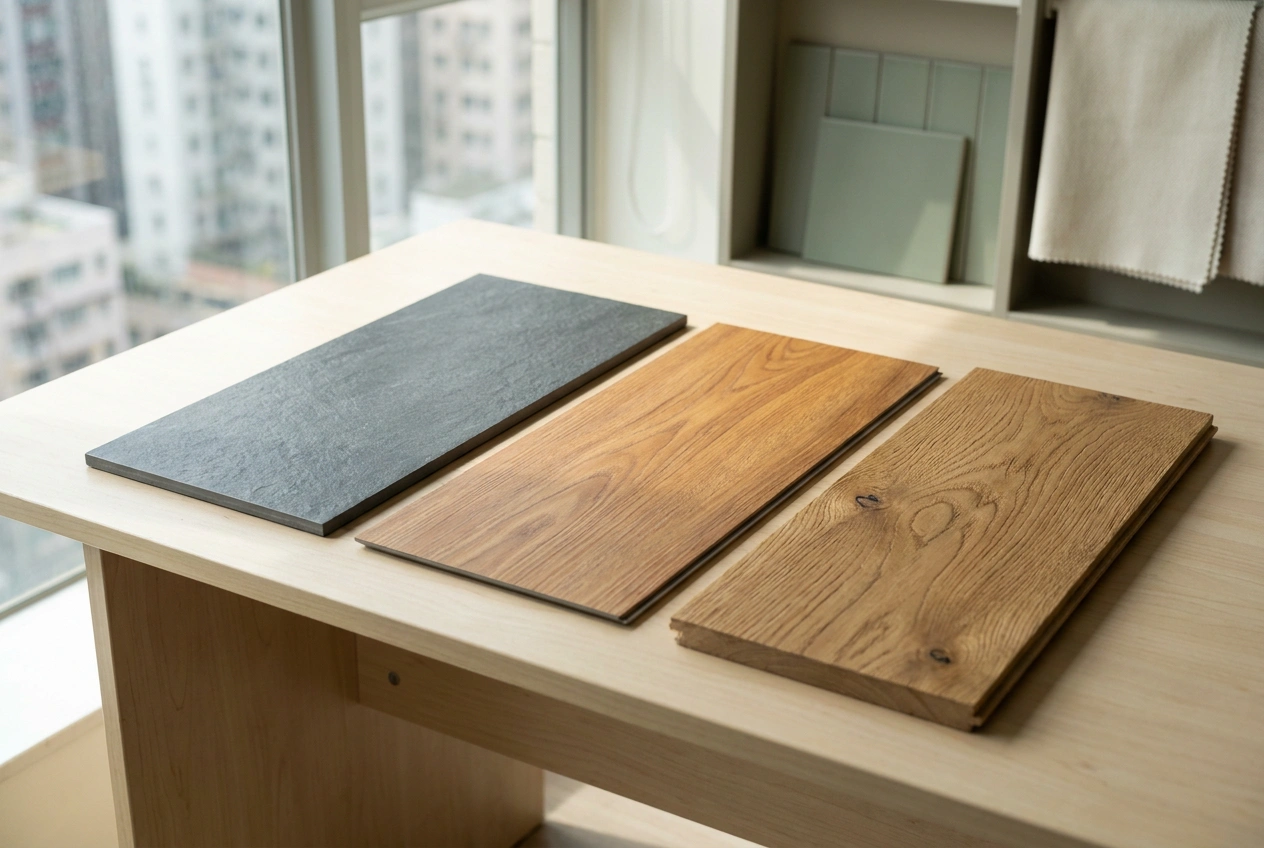
Flooring takes daily wear, so it rewards a careful choice. Tiles are hard-wearing, water-resistant and well suited to our humid climate, which is why they remain popular in kitchens, bathrooms and living areas; the trade-off is a harder, cooler feel underfoot.
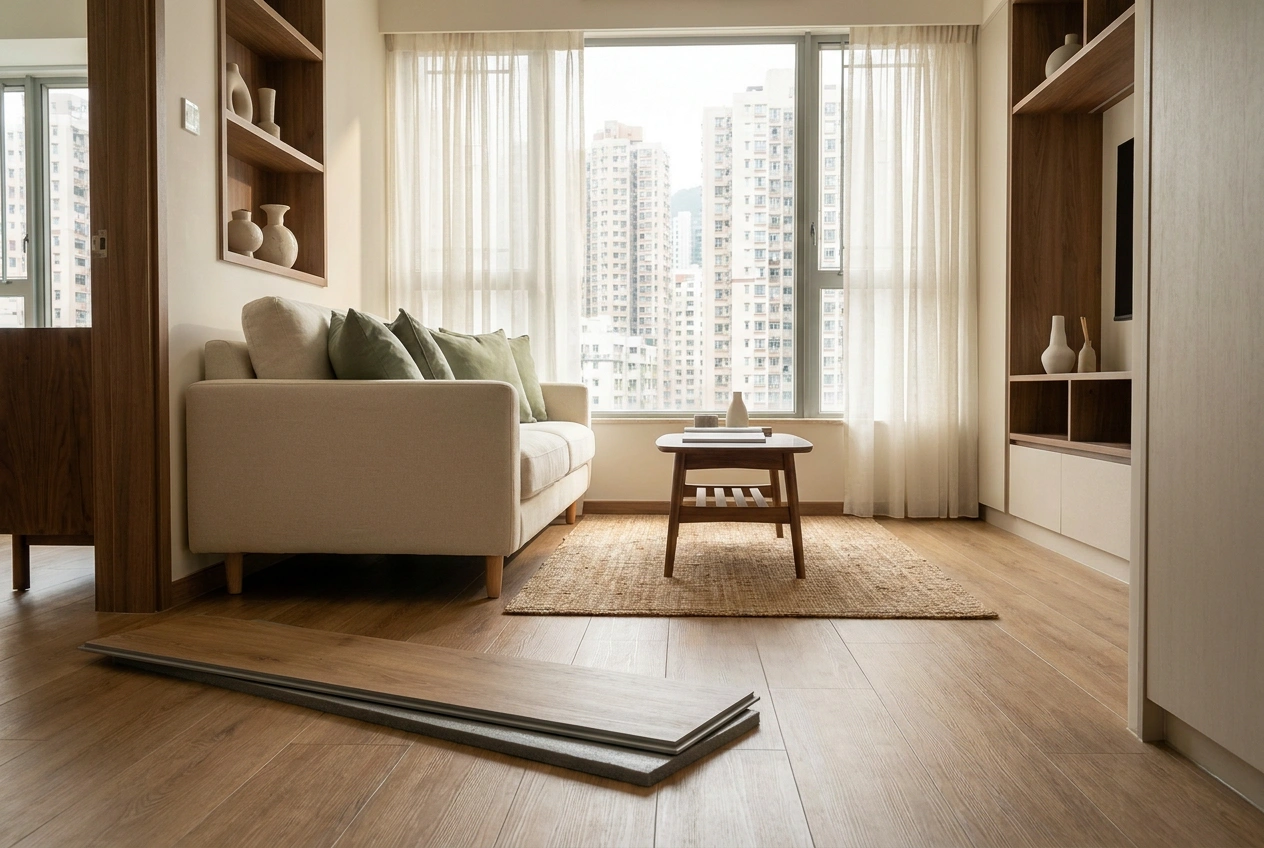
Vinyl flooring has improved enormously and offers a warmer, quieter surface that handles moisture well, making it a practical all-rounder. Engineered wood gives the warmth and look of timber with more stability than solid wood, though it still calls for care around water and humidity. Each has its place; the right answer depends on the room, how it is used, and how much upkeep you are willing to give it.
Worktops: where daily use decides
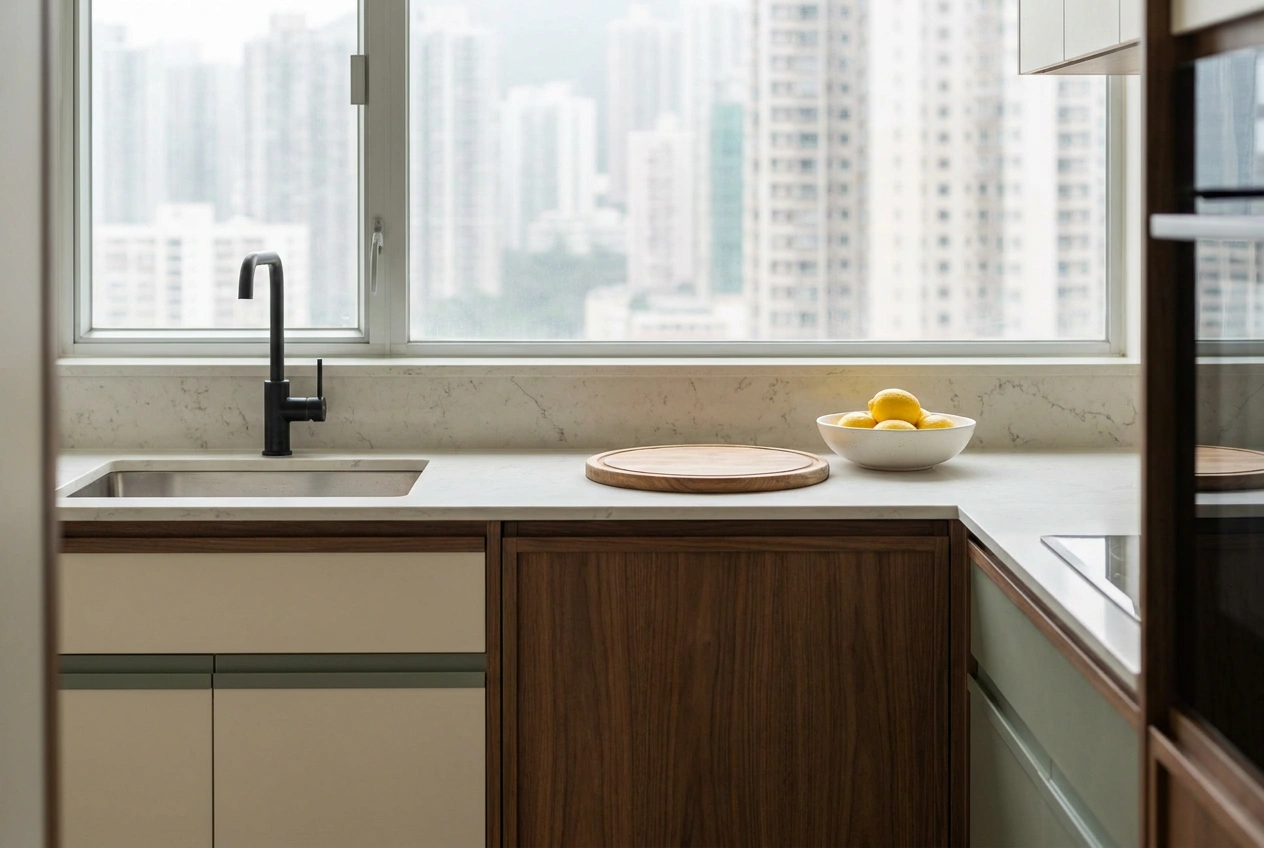
Kitchen and bathroom worktops are touched, wiped and leaned on every single day, so this is somewhere to favour durability over a bargain. The common choices balance hardness, stain resistance and how they handle heat and moisture.
Engineered stone surfaces are popular for being hard, consistent and relatively low-maintenance. Natural stone offers character but can need more care and sealing. Whatever the material, pay attention to the finish and the edge detailing, since these affect both how it wears and how easy it is to keep clean. A worktop is one of the most-used surfaces in the home, so it earns the investment more than almost anything else.
Boards for joinery: the part you never see
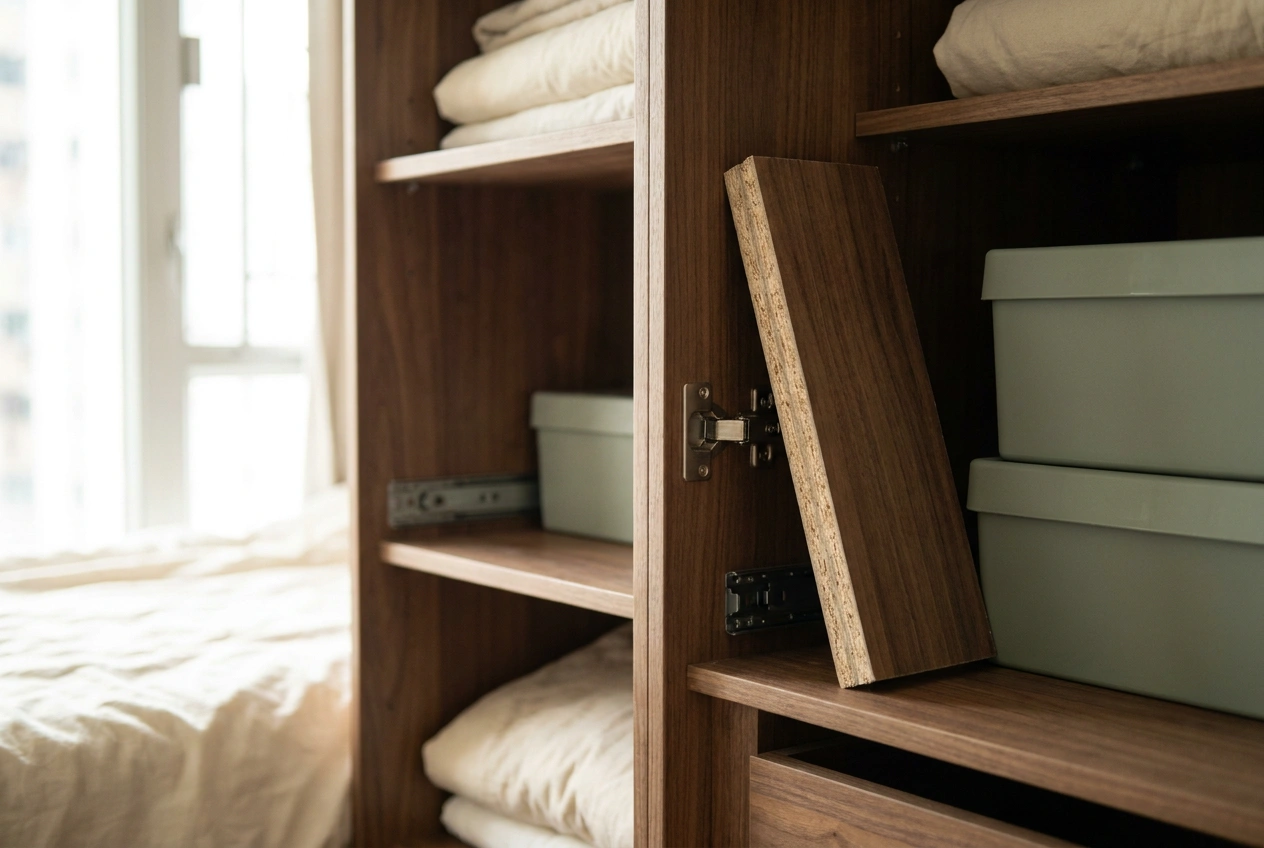
Most of a Hong Kong home's storage is custom joinery, and what sits behind the door fronts, the carcass board, matters more than people realise. It is invisible once installed, which is exactly why it is sometimes where corners get cut.
Different board types vary in strength, moisture resistance and how well they hold fittings over time. In our humid climate, moisture resistance is not a luxury but a sensible baseline, especially for kitchen and bathroom cabinetry and anything near a window. When you read a quotation, the board specification is worth querying, because it quietly determines whether your cabinets still feel solid years from now or begin to sag and swell.
Paint and finishes
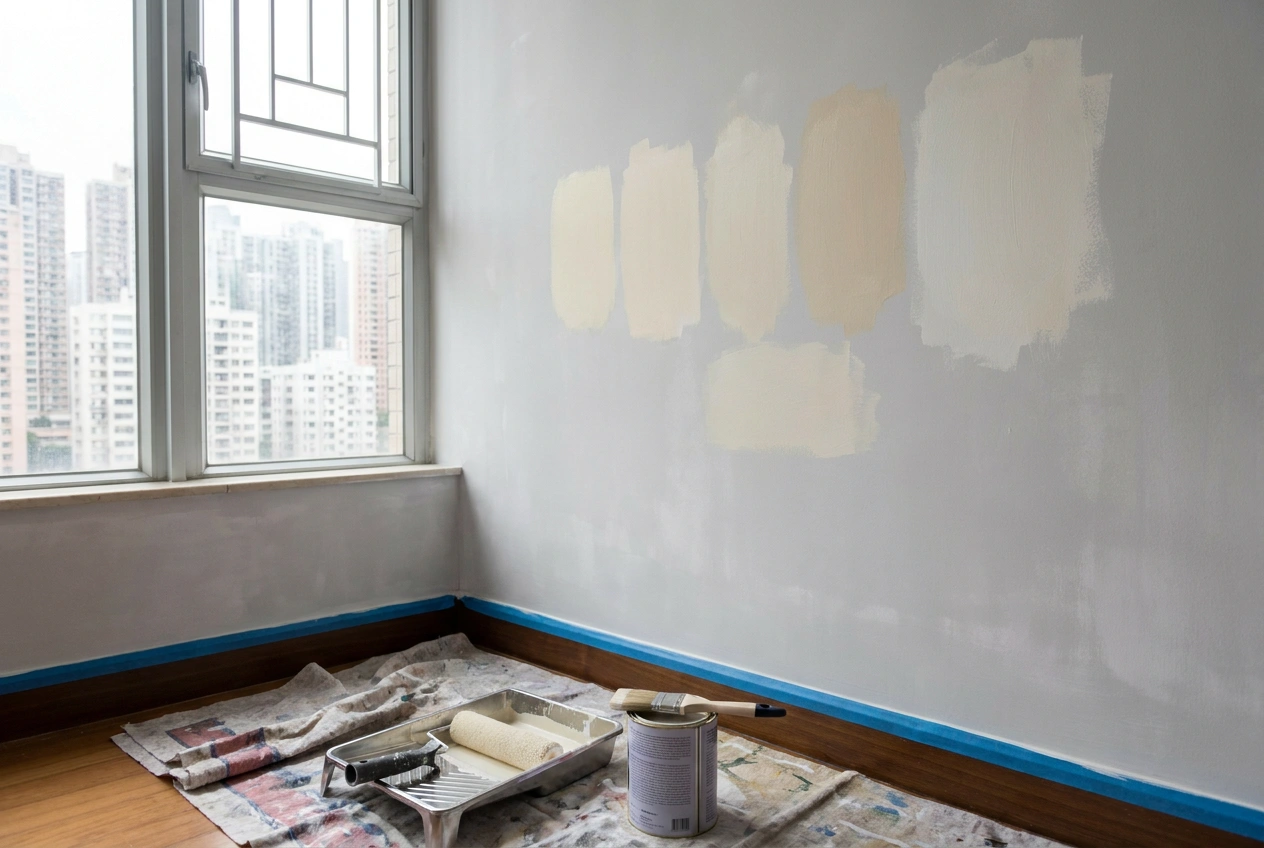
Paint is the most visible finish and one of the easiest to underestimate. Beyond colour, the type and quality of paint affect how it wears, how easily it cleans, and how it copes with humidity, which in Hong Kong can mean the difference between walls that stay fresh and walls that show mould or marks within a year or two.
For kitchens, bathrooms and other damp-prone spots, finishes that resist moisture and wipe clean are worth the difference. Elsewhere, the right sheen level changes both the look and the practicality of a room. Good preparation, the work that happens before the paint goes on, matters as much as the paint itself for a finish that lasts.
What lasts versus what only looks good
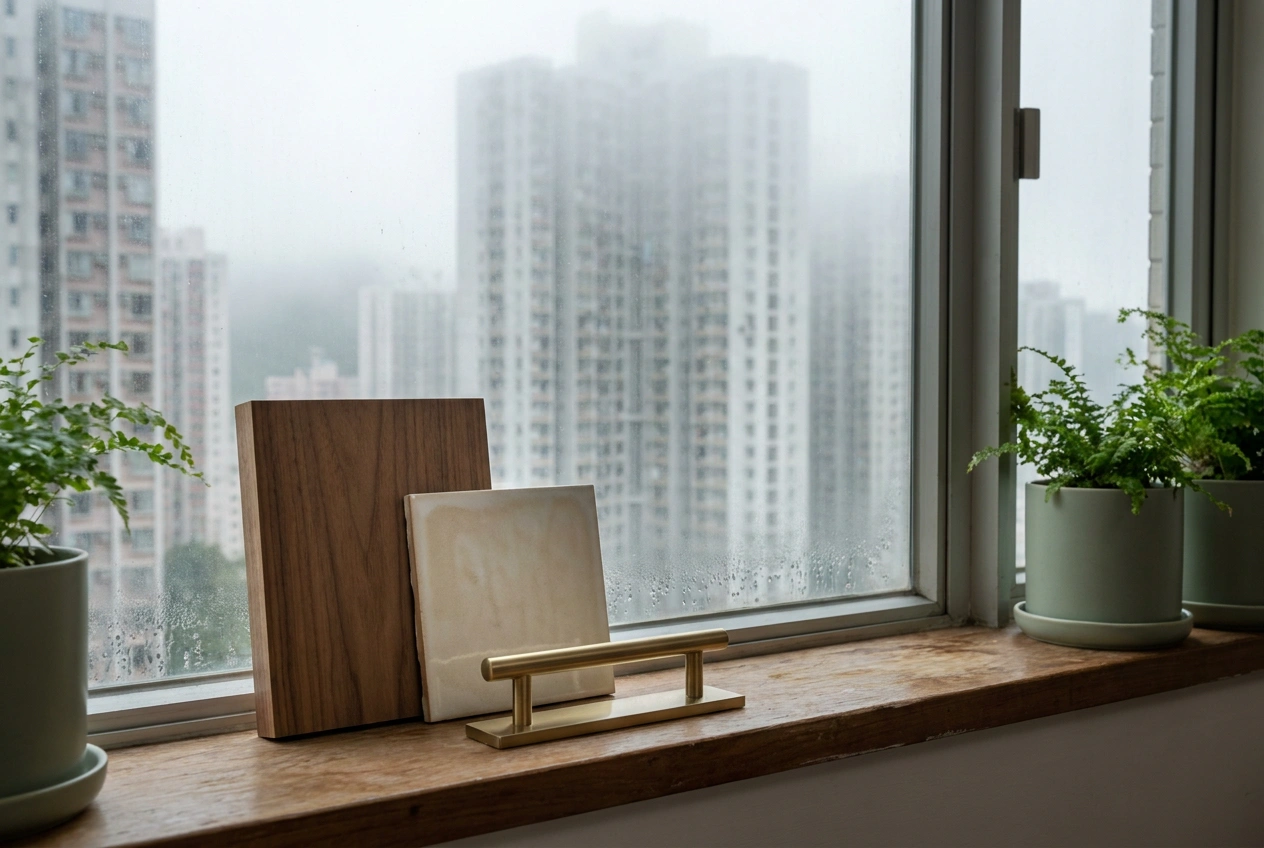
The hardest discipline in choosing materials is separating lasting quality from showroom appeal. Some finishes dazzle on a sample board but scratch, stain or fade quickly in a real home; others look modest but wear beautifully for years.
Our guidance is to spend on the things you touch and use daily, flooring, worktops, the hardware on your cabinets, and the boards behind them, and to be more relaxed about purely decorative elements you could change later. A surface that looks perfect for a month but tired within a year is no bargain. Durability, in the places that get used, is where material spending genuinely pays you back.
Choosing for Hong Kong's humidity
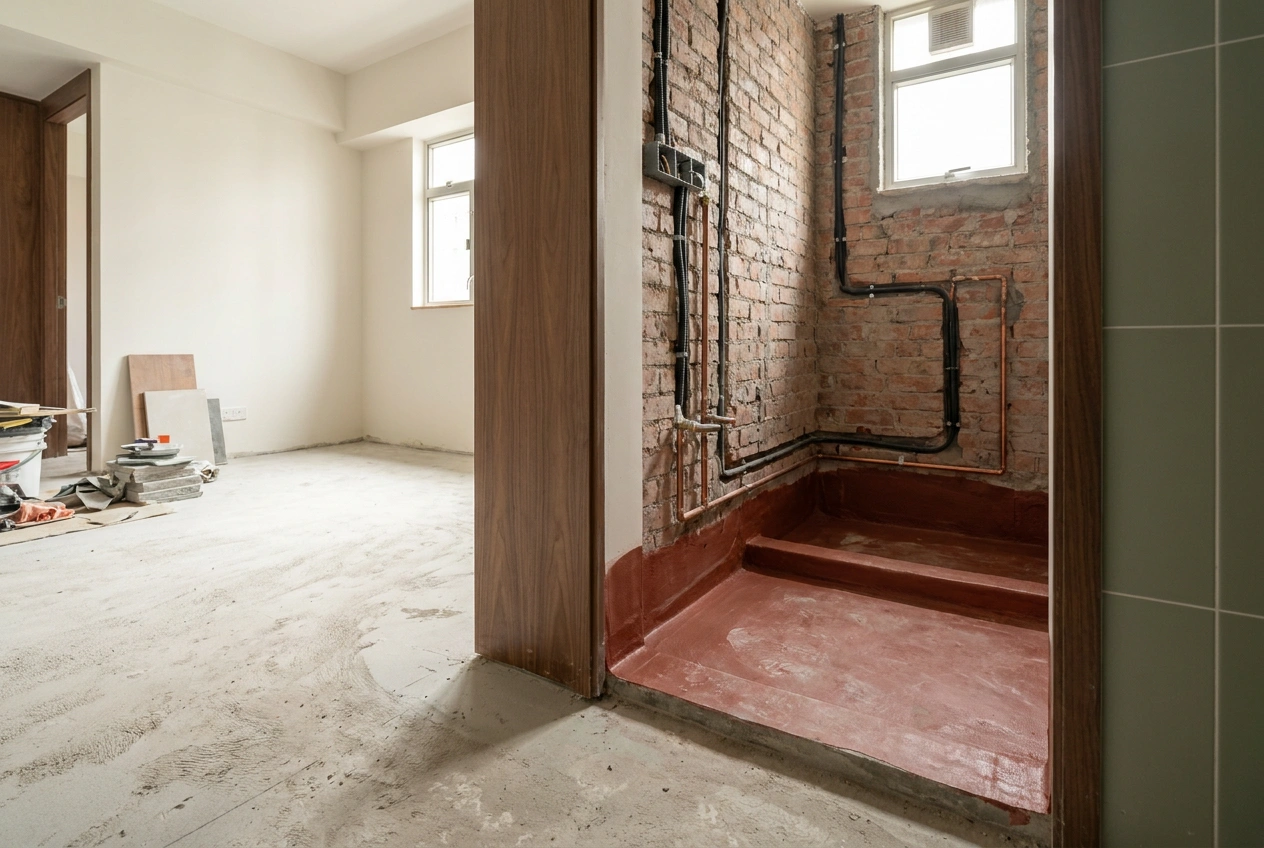
Above everything, our climate should shape the material decisions. Hong Kong's heat and high humidity, with damp spells that linger, are hard on the wrong materials: timber can swell, fittings can corrode, and poorly chosen boards can warp.
This is why moisture resistance runs through every choice above, from flooring to joinery boards to paint. It is also why local experience counts: a designer who works here knows which materials survive a humid summer and which look wonderful for a season then disappoint. Choosing materials suited to the climate is not about spending more; it is about spending wisely, so the home you build still looks and feels right years down the line.
Open WeChat, Discover, Scan
Or save the QR and import it from your gallery.