Artwill, Interior Design House
Glossary 7 min read

Renovation Glossary: Common Hong Kong Terms in Chinese and English

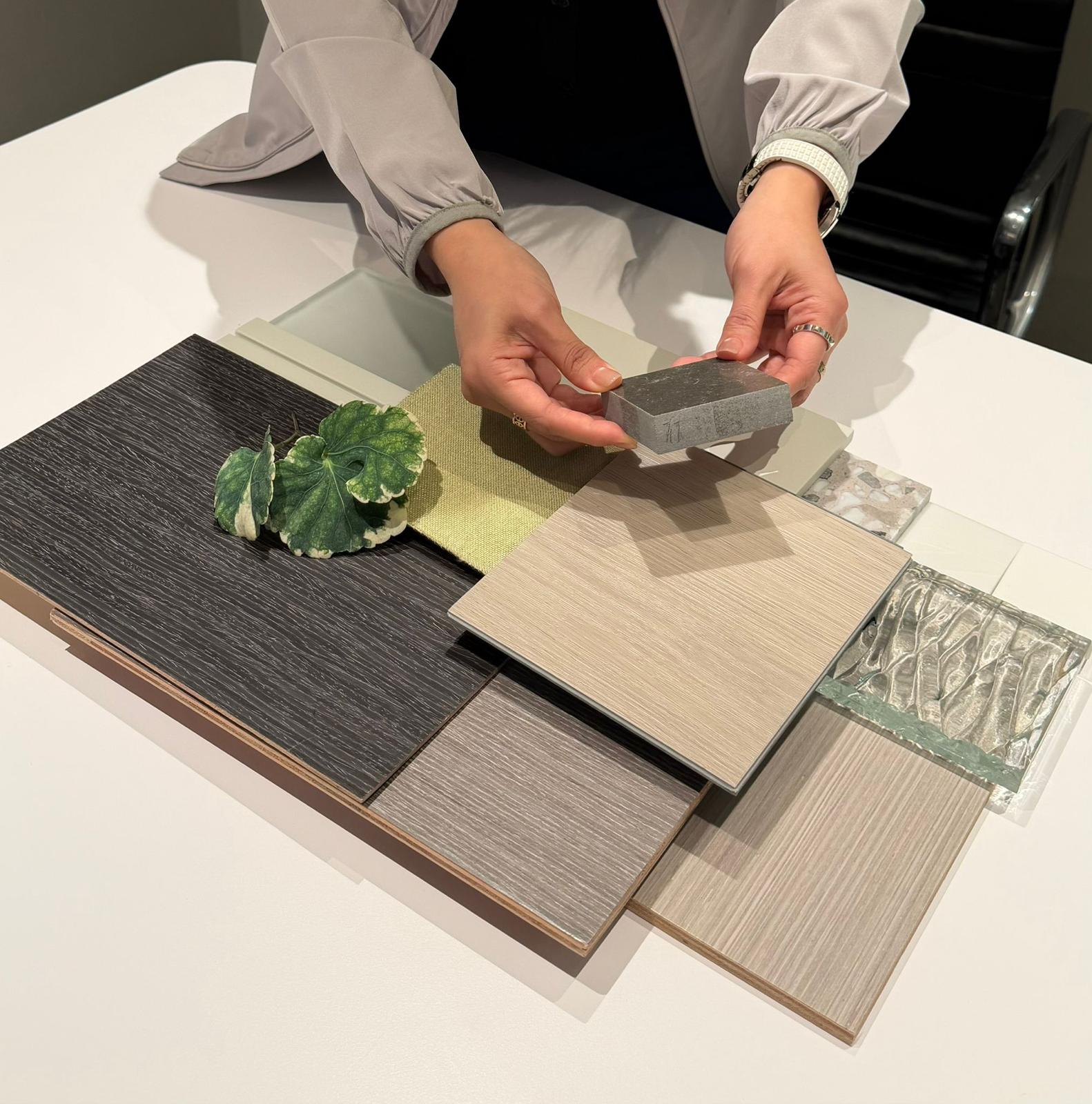
Material and sample shelves at the Artwill studio, illustrating renovation terminology by trade

A renovation glossary is one of those quietly useful things, because the trade has a language of its own and a Hong Kong site flips between Chinese and English all day long. One person says 防水, the quotation says waterproofing, and a first-time homeowner is left guessing whether they mean the same thing. They do. Knowing the common terms in both languages lets you read a quotation properly, follow a site conversation, and ask precise questions instead of vague ones. This guide groups the most useful Chinese-English renovation terms by trade, from base works through carpentry to kitchen, bathroom and finishes, so the vocabulary stops getting in your way.
Why a bilingual glossary helps

On a Hong Kong renovation, language moves between Chinese and English without warning. A quotation may be written in one, the conversation on site happens in another, and product names arrive in a third. For anyone renovating for the first time, that mix is genuinely confusing. Knowing the key terms in both languages does two things. It lets you read a quotation line by line and understand what each item actually is, and it lets you talk to your designer and trades precisely, which heads off misunderstandings before they become mistakes. You do not need to memorise everything below. Skim it, get a feel for the vocabulary, and return to it whenever a term on your quotation stops you.

Base works terms

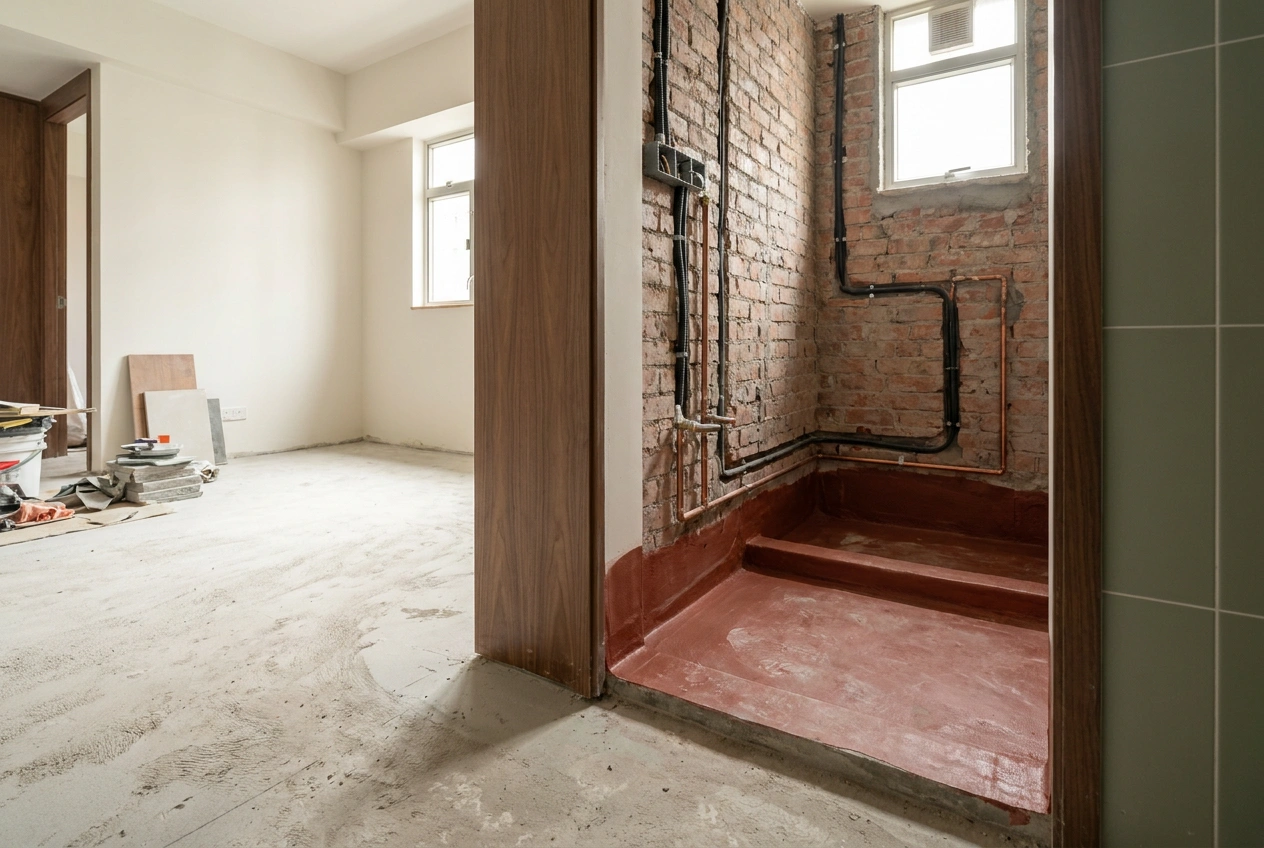
These are the structural and behind-the-scenes works, the foundation everything else is built on: 拆卸 = demolition 泥水 = wet trades / plastering and screeding 防水 = waterproofing 水電 = plumbing and electrical 電線 = electrical wiring 電位 = electrical point / socket position 水喉 = water pipe / plumbing 批盪 = rendering / plastering 搵平 = levelling 還原 = reinstatement / making good These items are often the most underestimated, precisely because much of the work is hidden once the job is finished. Understanding the words is the first step to reading whether a quotation has priced them properly.

Carpentry and joinery terms

Carpentry is usually the largest part of a Hong Kong renovation, so its vocabulary is worth knowing well: 木工 = carpentry / joinery 訂造傢俬 = custom-made furniture 櫃身 = cabinet carcass 門板 = door panel / cabinet front 板材 = board material 飾面 = surface finish / veneer 五金 = hardware (hinges, runners, handles) 鉸鏈 = hinge 路軌 = drawer runner / track 間房 = partition / building a room divider When you see these on a quotation, the detail matters: the board type and the hardware brand are where the long-term quality of your storage is decided, so these are good terms to query closely.

Kitchen and bathroom terms

Kitchens and bathrooms are the most technical rooms, combining wet trades, fittings and finishes: 廚櫃 = kitchen cabinetry 檯面 = worktop / countertop 鋅盤 = sink 龍頭 = tap / faucet 座廁 = toilet / WC 浴缸 = bathtub 花灑 = shower 鋪磚 = tiling 磁磚 = tiles 防潮 = moisture protection Because these rooms involve water and daily use, the materials and waterproofing behind them carry real weight. Recognising the terms helps you check that the items that matter most, the worktop, the tiling, the waterproofing, are clearly specified rather than glossed over.

Finishes and the final stage

These cover the visible finishing work and the close of the project: 油漆 = paint / painting 批灰 = skim coat / surface preparation 天花 = ceiling 假天花 = false ceiling / dropped ceiling 燈槽 = recessed lighting trough 地板 = flooring 踢腳線 = skirting board 驗收 = inspection / handover check 執漏 = snagging / fixing minor defects 保養 = warranty / aftercare The final terms here, 驗收, 執漏 and 保養, matter at the end of the job, when you walk the flat, list the small defects, and confirm what aftercare you are entitled to. Knowing them helps you close a project properly rather than rushing the most important final checks.

Using the glossary in practice

The point of this vocabulary is not to turn you into a tradesperson, but to let you hold a confident conversation and read a quotation without feeling lost. When an item on your quote uses a term you now recognise, you can ask the right follow-up: is this supply-and-install or labour-only, what board type, which finish. A good designer will always explain things in plain language, but understanding the words yourself makes the whole process smoother and the decisions clearer. Keep this guide handy through your renovation. The first time a confusing term turns out to be something you already understand, you will feel the difference it makes.

FAQ

Common questions

Why do Hong Kong renovation sites mix Chinese and English terms?

Quotations, on-site conversation and product names often arrive in different languages, so the vocabulary naturally blends. A quote might list waterproofing while the team says 防水. They mean the same thing. Knowing the common terms in both languages lets you follow everything and ask precise questions instead of guessing.

What does supply-and-install mean on a renovation quotation?

Supply-and-install (連工包料) means the contractor provides the material and fits it. Labour-only (只計工) means you buy the material separately and they install it. The distinction explains many apparent price gaps, so it is worth confirming which model applies to each major line on your quote.

What is the difference between 驗收 and 執漏?

驗收 is the inspection or handover check, when you walk the finished flat to review the work. 執漏 is the snagging that follows, fixing the small defects and touch-ups that any fresh job has. Together they close the project: you inspect, list the snags, and the team clears them before final handover.

Do I need to understand renovation terms to work with a designer?

Not strictly, since a good designer explains things in plain language. But understanding the key terms makes the process smoother: you can read a quotation more confidently, follow site conversations, and ask sharper questions. It shifts you from following along to genuinely participating in the decisions about your own home.

What does 還原 mean in a renovation context?

還原 means reinstatement or making good, restoring something to its proper condition, often after demolition or removing earlier alterations. It can also refer to reinstating unauthorised building works. Because making-good is sometimes where add-on charges hide, it is a useful term to recognise and query on a quotation.

Ready to start your project?

Free first consultation, no pressure. We'll map a realistic scope and budget for your space.

ADDRESS 19/F., 103 Hennessy Road, Wan Chai, Hong Kong
OPENING HOURS
Monday 10:00 AM to 7:00 PM
Tuesday 10:00 AM to 7:00 PM
Wednesday 10:00 AM to 7:00 PM
Thursday 10:00 AM to 7:00 PM
Friday 10:00 AM to 7:00 PM
Saturday Closed
Sunday Closed
INSTAGRAM FACEBOOK YOUTUBE 小紅書
Artwill WeChat QR code

Open WeChat, Discover, Scan

Or save the QR and import it from your gallery.

Get a Free Quote