
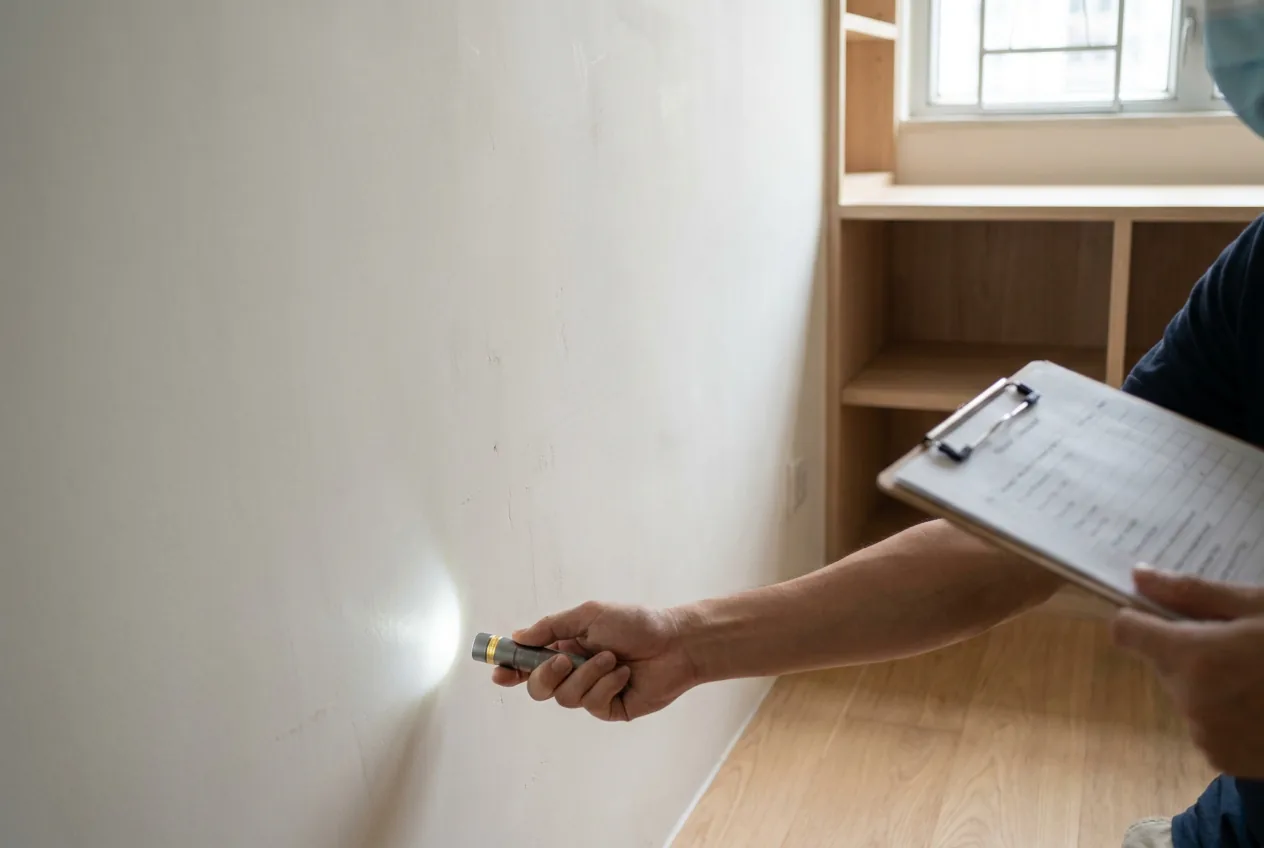
Handover is the moment a renovation is most likely to turn into an argument. In the Consumer Council's survey, a firm refusing to fix defects accounted for 30% of disputes, and the Council points to one root cause: owners and firms understand "workmanship" differently. Most people renovate once or twice in their lives, so when they see a crack, tap a tile that sounds hollow, or find paint blistering, it is hard to tell a normal effect from a defect that should be fixed. This guide uses the Buildings Department's published guidance as the benchmark and works through the problems most often found at handover: hollow tiles, cracks, blistering and flaking paint, bathroom waterproofing and the threshold, and why glass shower screens can shatter on their own. It ends with how to write and follow up a defects list. It is general information; for any question about structural safety, go straight to a professional.
The short answers first
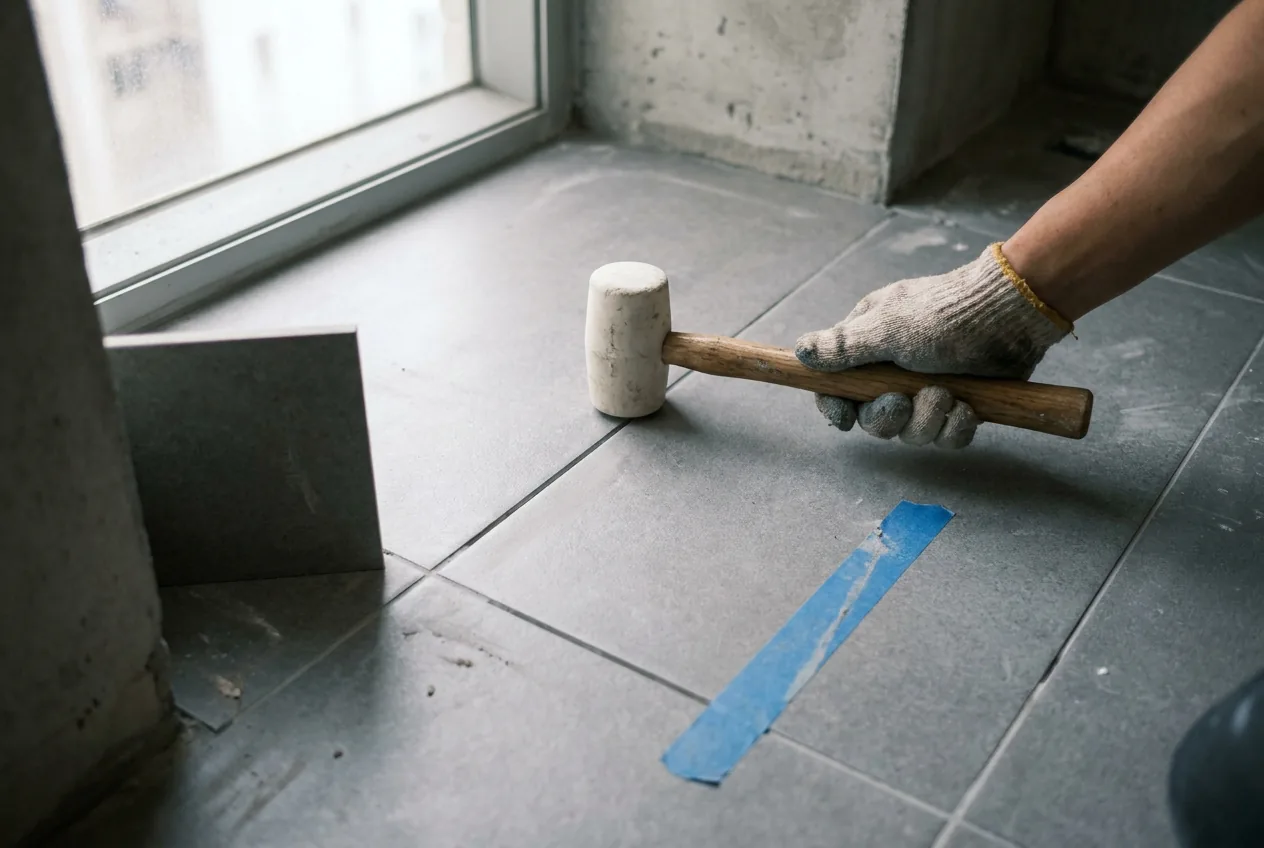
- What is a hollow tile, and does it have to be fixed? A hollow tile (空鼓) has come away from the wall or floor behind it, so it sounds hollow when tapped. The Buildings Department lists this as a sign of failing finishes that can lead to cracking, bulging and falling off, so note it on the defects list for the contractor to assess and fix, starting with walls and anything overhead.
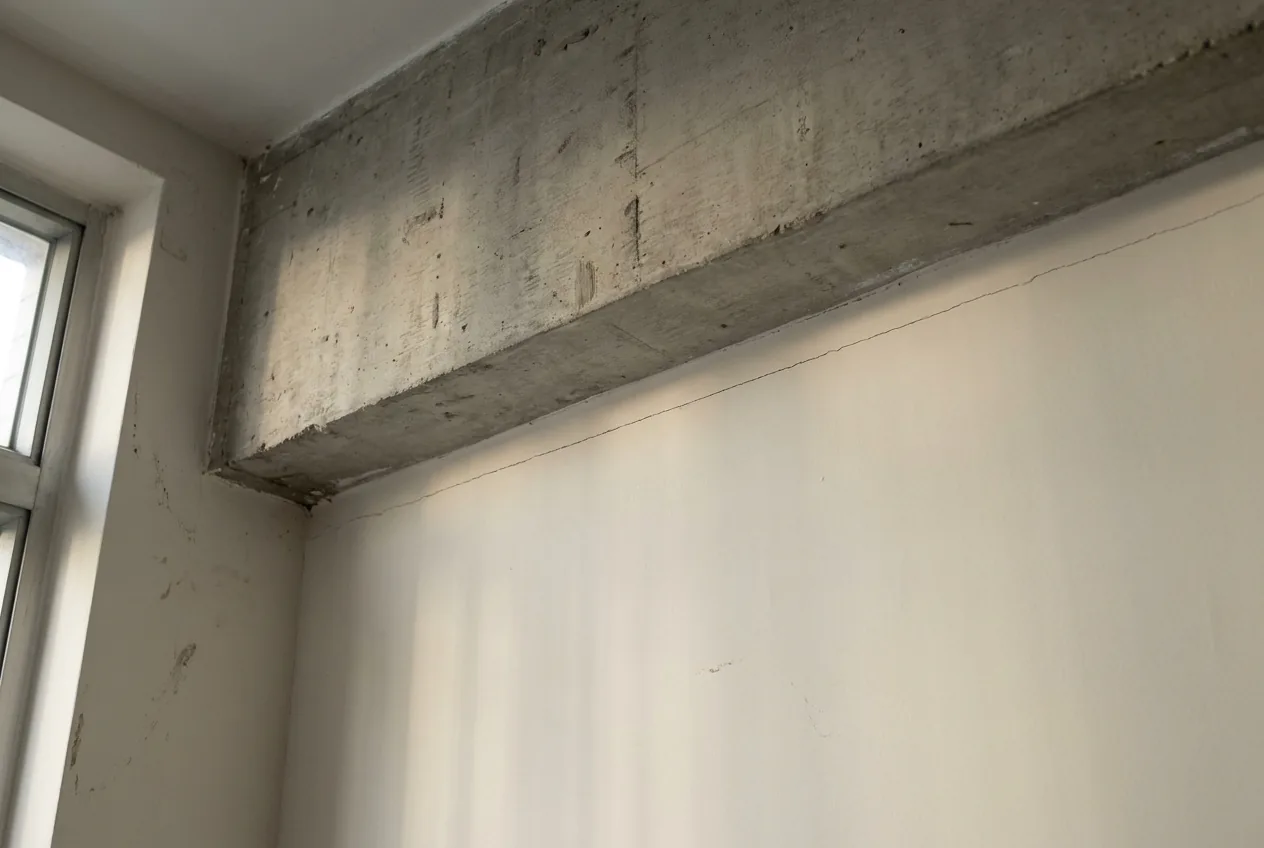
- Are cracks after a renovation normal? Fine hairline cracks, multi-directional shrinkage cracks, and cracks where a new wall meets an existing beam or column are classed by the Buildings Department as non-structural and cosmetic. Cracks that run through the finish into concrete or brick, long cracks across a wall, diagonal cracks at door or window corners, or cracks with rust staining should be looked at by a professional.
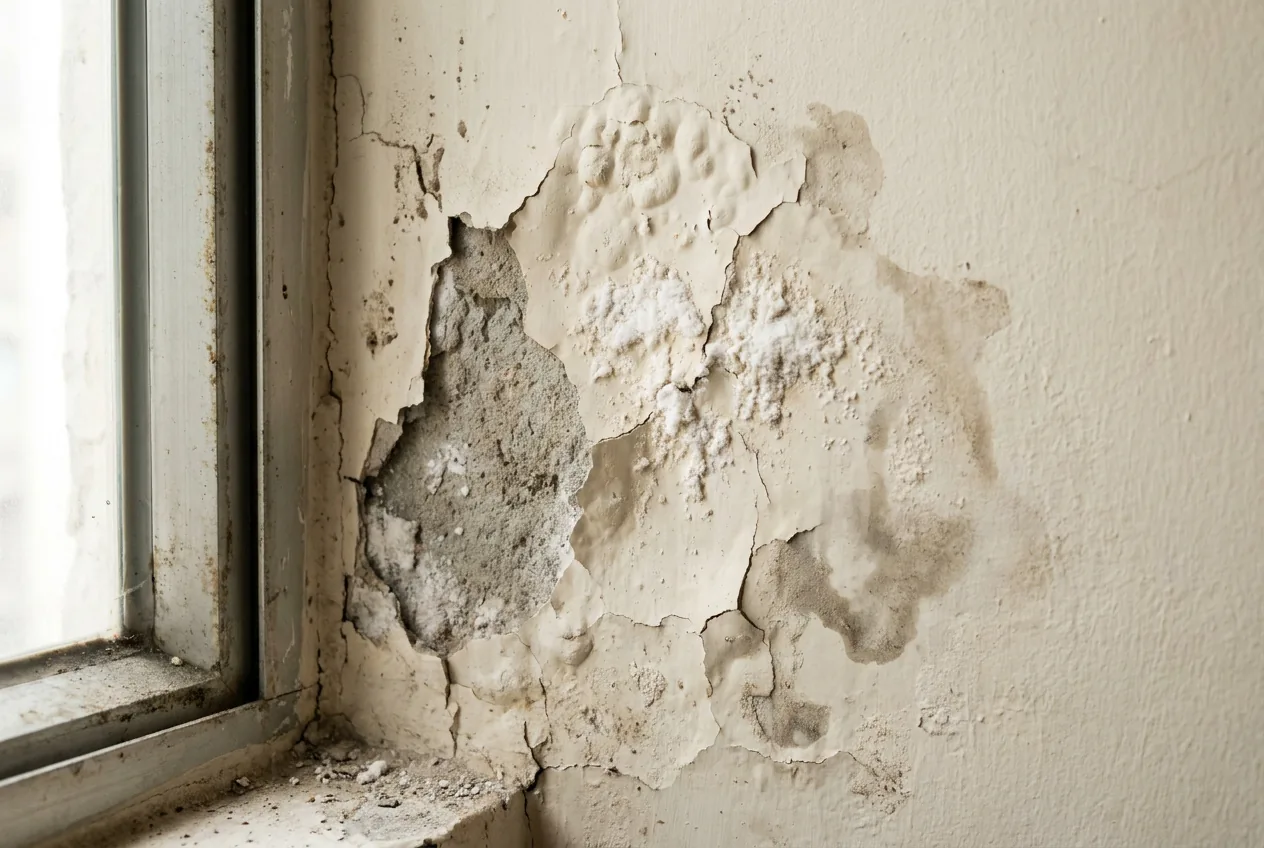
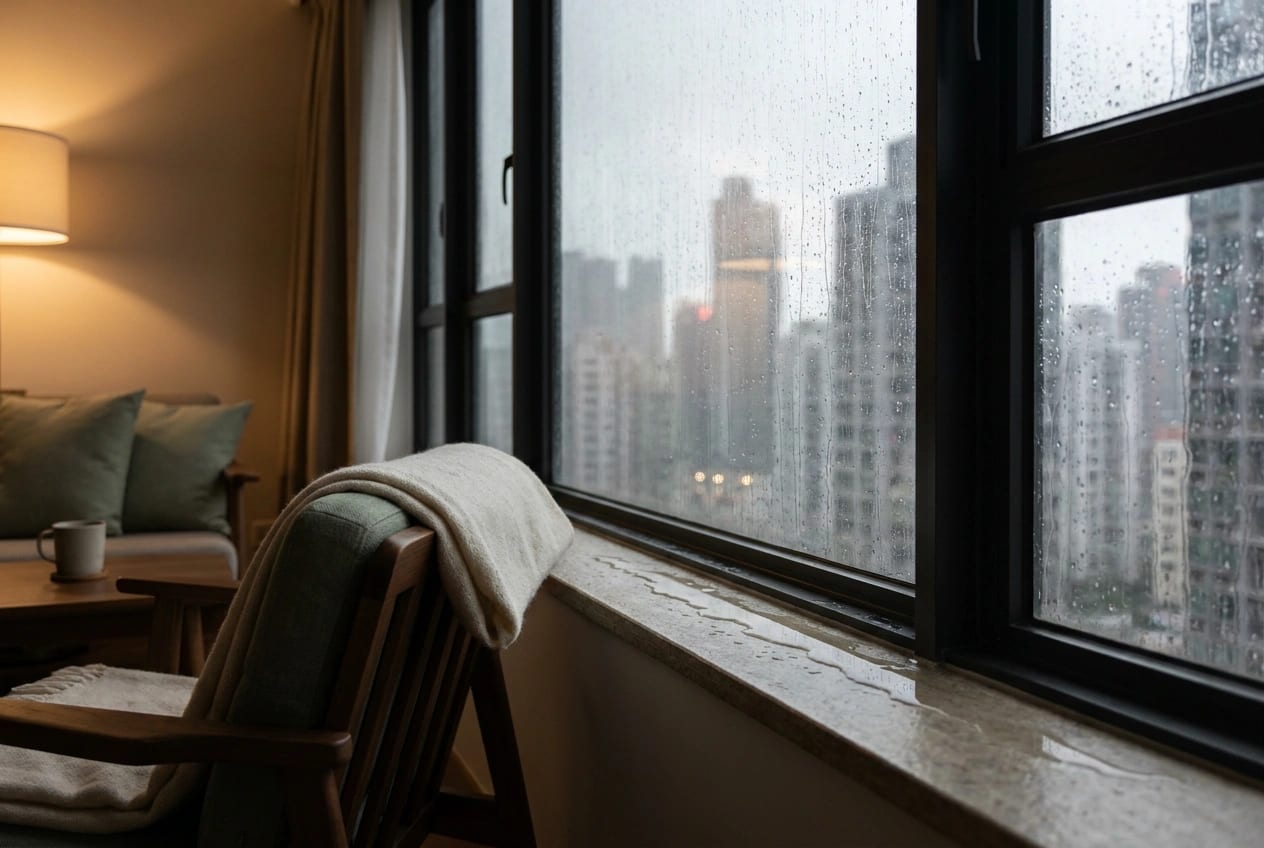
- Why is the paint blistering or flaking? Usually water. Water carries salts from inside the wall to the surface, where they crystallise and push the paint off, so the same patch blisters again. Find the source first, then rebuild the surface; repainting alone will not hold.
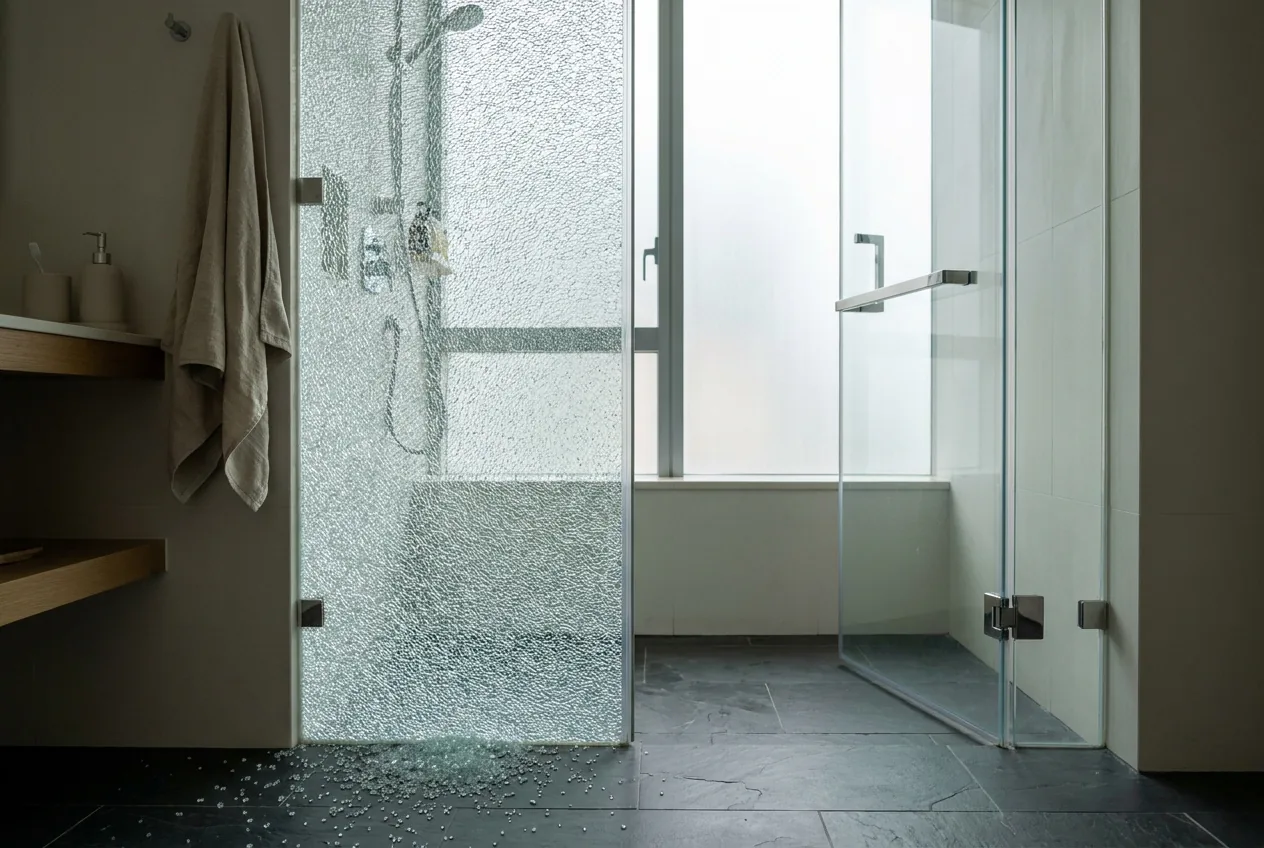
- Why do glass shower screens shatter for no reason? Tempered glass can break spontaneously because of nickel sulphide inclusions inside it. The Buildings Department's glass code says tempered glass should go through a heat soak process during production to reduce this risk; laminated glass, whose fragments stay stuck to the interlayer, is the other option.
- How should a defects list be written? For every item, record the location, the problem, a photo and a completion date, sign it off together, recheck each fix, and pay the final instalment only when the list is cleared.
Before you inspect: agree what "acceptable" means
Hollow tiles: tap and listen
Cracks: most are shrinkage, some need a professional
- Non-structural cracks, a matter of appearance: fine hairline cracks; multi-directional, web-like shrinkage cracks; and cracks between partition walls and structural elements, such as a brick wall and a beam or column. The guidance says these stay within the plaster or finish, do not reach the reinforced concrete structure, and pose no safety concern.
- Possibly structural cracks, for a professional: cracks that penetrate through the finish into the concrete or brick; long, continuous cracks across the width of a wall; diagonal cracks at the corners of windows or doors; and cracks with rust staining. The guidance stresses that the cause must be found and dealt with before the surface is repaired.
Blistering and flaking paint: ask where the water comes from
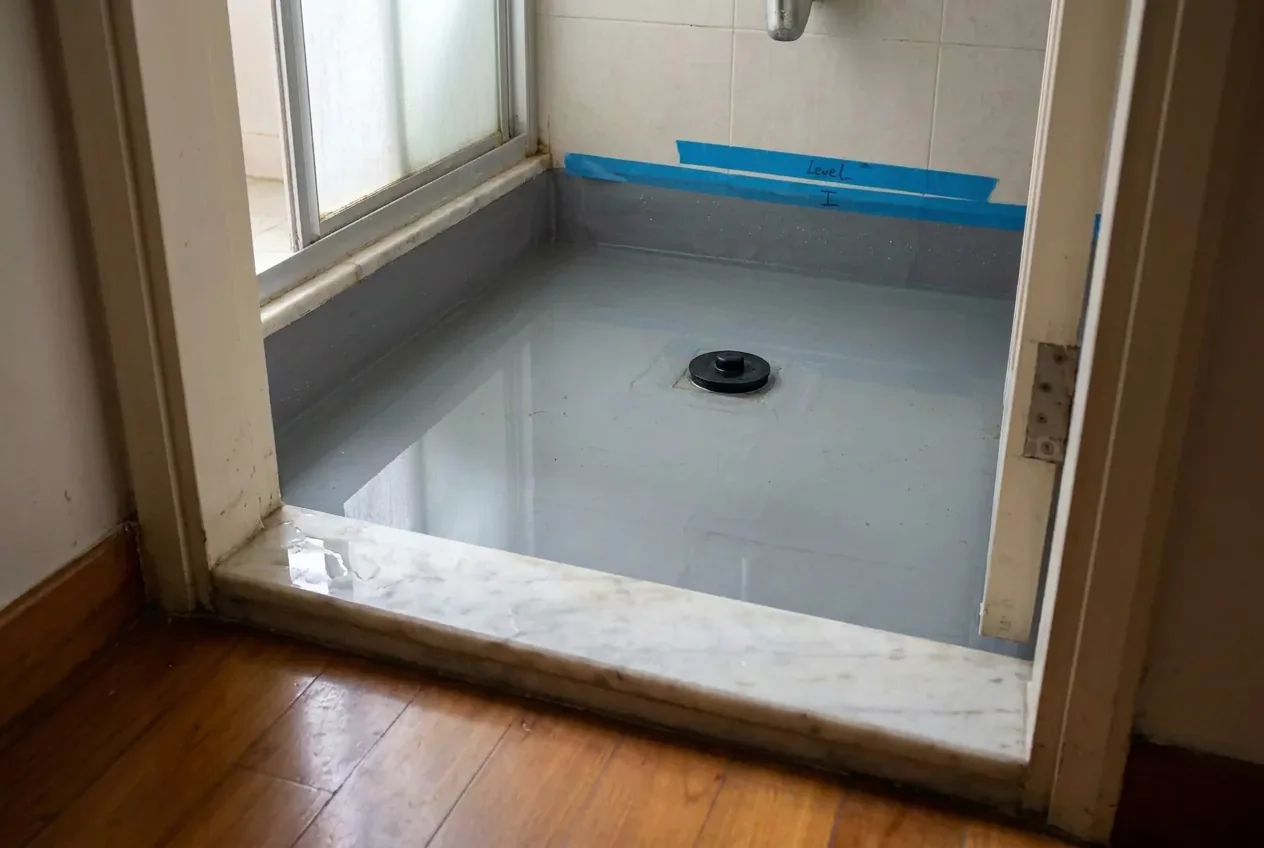
Bathrooms: the waterproofing test, the threshold and the falls
Glass shower screens that shatter: not always an impact

Open WeChat, Discover, Scan
Or save the QR and import it from your gallery.