
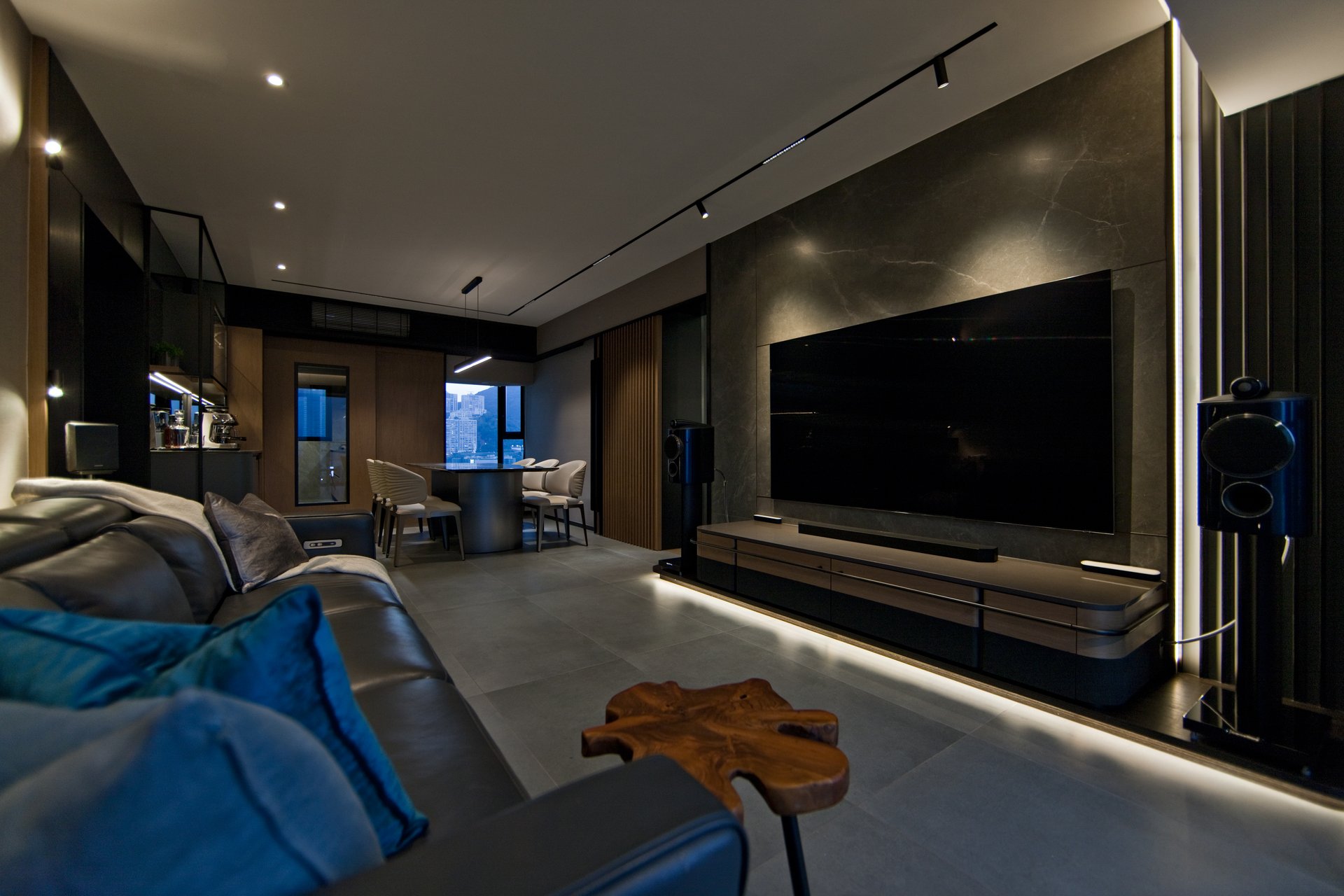
A custom sofa is becoming an easy choice for more Hong Kong homeowners, and the reason is simple. Flats here are compact, living rooms are often an awkward shape, and off-the-shelf sofas tend to be either too deep or too long to sit right in the space. As a designer, I keep reminding clients that a sofa is not just furniture. It sets the proportion of the whole living room. This guide walks through sizing, frame and support, and fabric selection, then the questions to ask before you place an order, so you approach a custom sofa with a full decision framework rather than a showroom sample and a deposit.
Custom versus off-the-shelf: which one actually suits you
Start with the honest trade-off. An off-the-shelf sofa is quick and tangible; you see it, sit on it, take it home fast. But the size, depth and fabric are fixed, so in a narrow living room or an open-plan layout you end up bending your life around the furniture rather than the reverse. A custom sofa flips that: length, seat depth and armrest width are all adjustable, and it can be designed to sit alongside a platform or built-in storage. The cost is a longer lead time, usually several weeks to a month or so, plus more thinking up front about how you will actually use it. My general steer: if your room is a standard shape and both budget and time are tight, a ready-made model is plenty. But if the flat is small, the room shape is unusual, or you want the sofa to sit in one language with the rest of the renovation, bespoke earns its keep. There is no absolute answer here; the point is to know your space and your habits first.
Measuring for a Hong Kong flat: room proportion, corridors and lift access
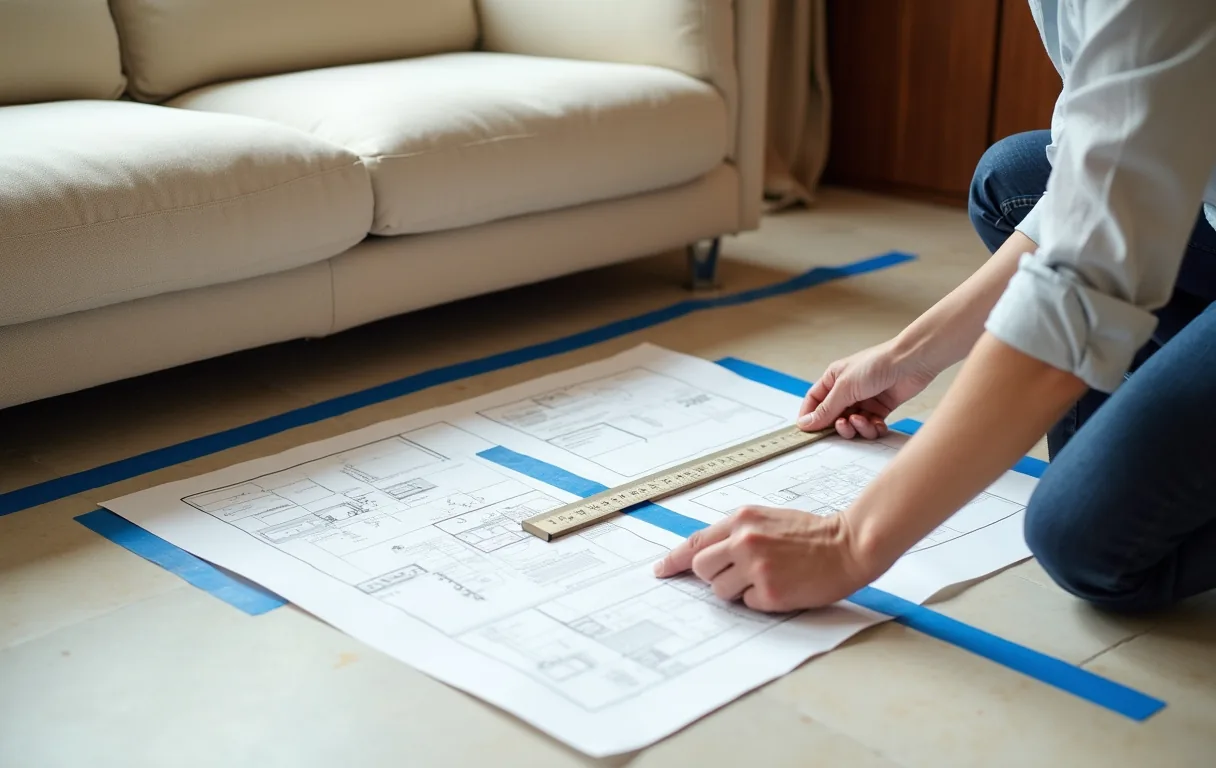
The step people skip most often is the delivery and placement measurement. Many owners measure the living room but forget the sofa has to clear the lobby, the lift, the corridor and the front door first. I suggest three sets of numbers. The first is the placement: measure the wall length reserved for the sofa, then mark the actual footprint on the floor with masking tape and stand inside it to feel whether the walkway is comfortable. The second is proportion: a seat that is too deep leaves shorter family members without back support, while one that is too shallow never lets you relax, so seat depth should be matched to who actually sits there. The third is access: measure the lift door width and car depth, the corridor turns, and the clear width of your front door. This is exactly where custom shines, because the sofa can leave the workshop in parts and be assembled on site, sidestepping the classic Hong Kong nightmare of a sofa you bought but cannot carry in. Record all these numbers in one go so your designer can get the proportion right.
Frame and support: solid-wood frames, springs and seat fill that last
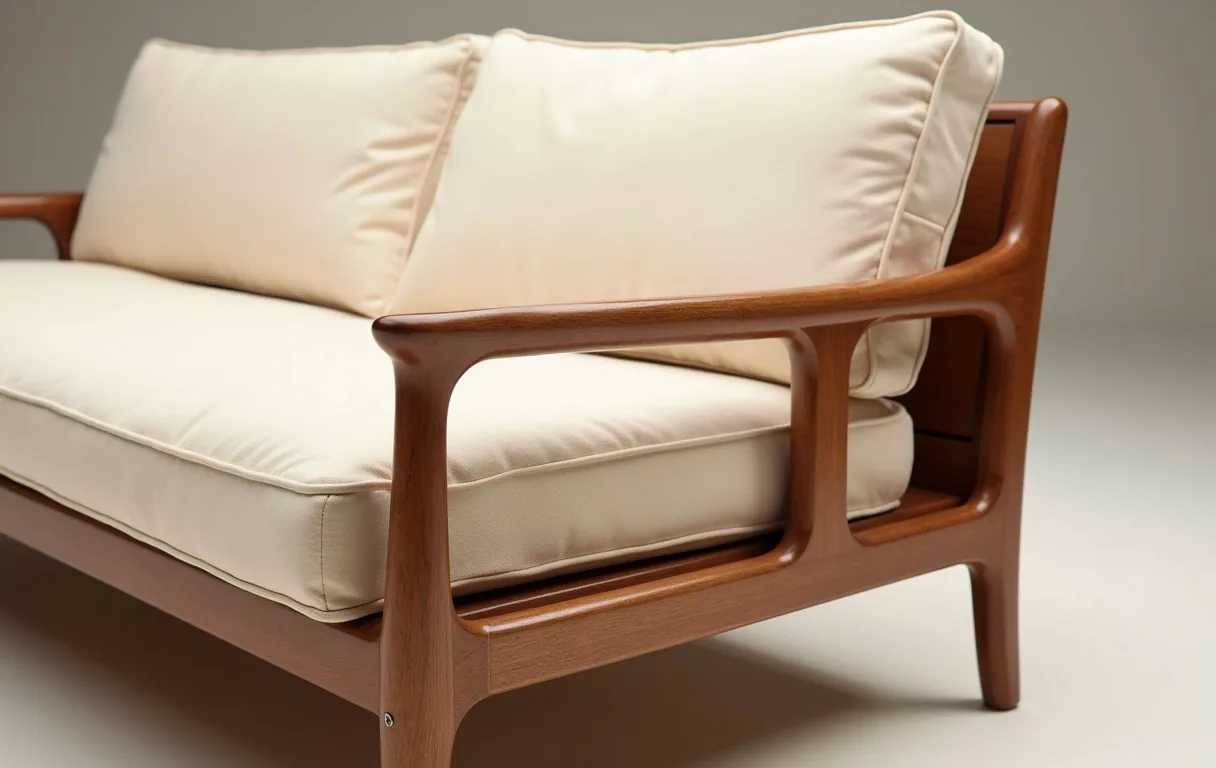
Whether a sofa lasts comes down to the parts you never see. For the frame, a solid-wood structure (hardwood, or a treated dense-board hybrid) is stable and durable, and it is what I usually recommend to clients who care about longevity; a pure plywood frame is cheaper and lighter, but weaker on long-term support and resistance to warping. The suspension layer is the second thing to check: serpentine springs and S-springs both use metal flex to give the seat its rebound, and the denser the layout and heavier the gauge, the steadier and longer-lasting the feel. As for seat fill, high-resilience foam is supportive and springs back quickly, ideal for daily long sitting; latex gives even, breathable support with a firmer touch; feather or feather blends are soft and plush with a full look, but need regular plumping. Given Hong Kong humidity, I usually suggest high-resilience foam as the core, with other fills mixed in locally to taste, balancing support and comfort. Before ordering, ask the maker to spell out the frame material and spring spec; that is precisely where durability is decided.
Fabric or leather: choosing for Hong Kong humidity, pets and young children
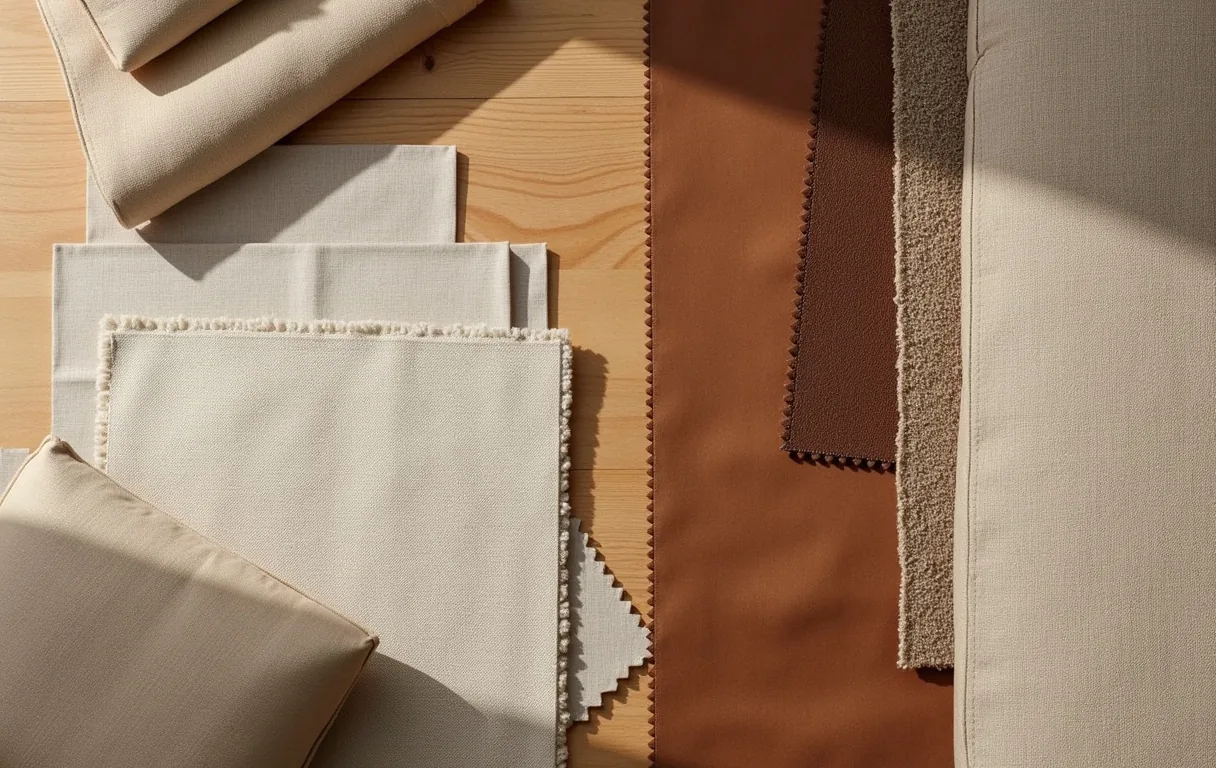
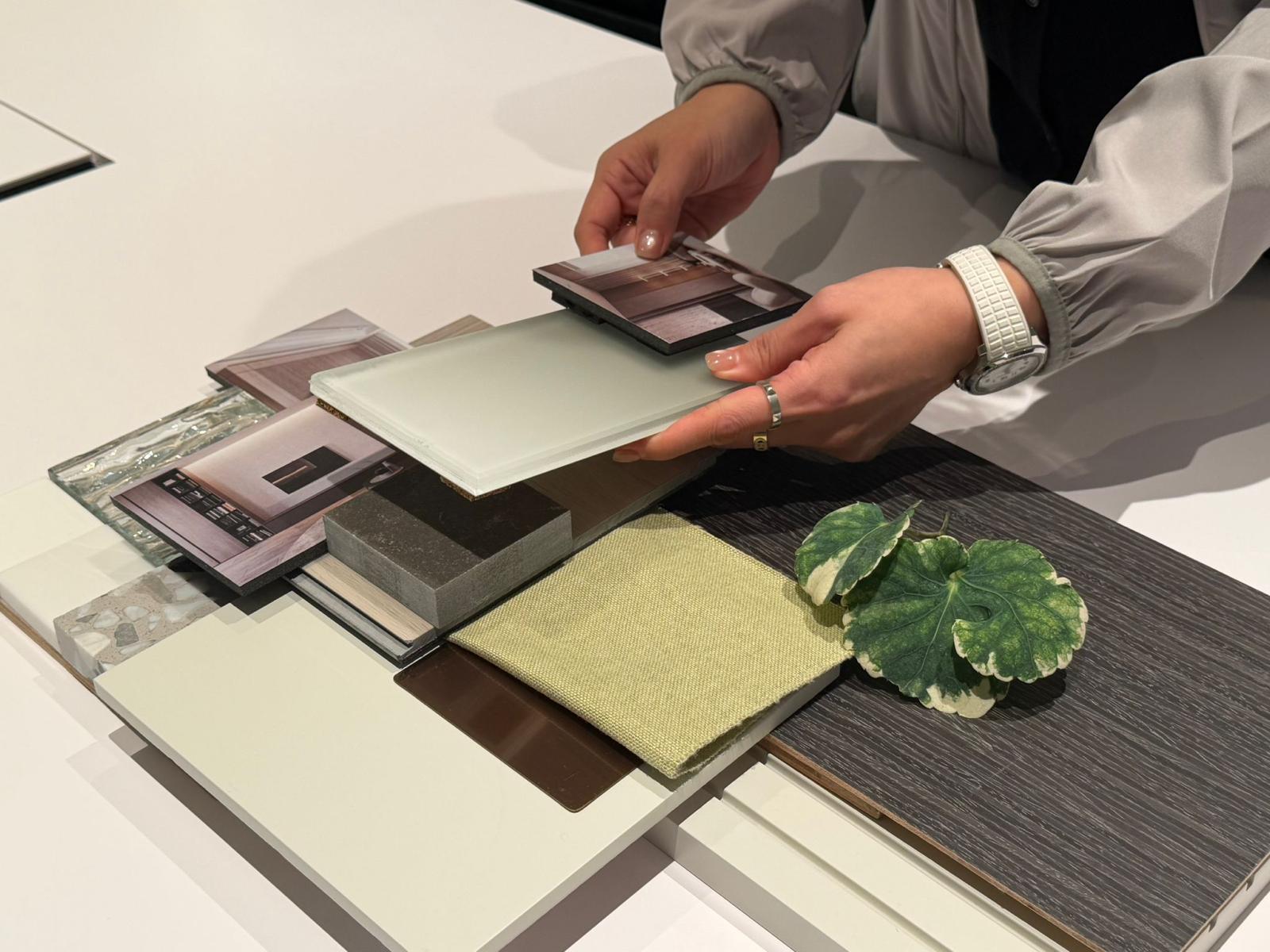
Upholstery is the most direct part of the experience, and the part most affected by the local climate. Leather looks refined and wipes clean, but Hong Kong is humid, and without proper care it can mildew or dry out, and it costs more. Fabric offers more choice, a warmer touch and better breathability, but you want to check its stain and pilling resistance. The technical fabrics that have grown popular lately (faux-suede or easy-clean coated weaves) are made with families in mind: the surface wipes down easily, stain resistance is stronger, and some are rated to resist cat scratches, which is genuinely useful for homes with pets or small children. When selecting, I ask clients to be clear on three things: whether there are pets and toddlers at home, everyday eating habits, and how much effort they are willing to put into care. If you dread spills and claw marks, lean towards easy-clean technical fabric or a heavy, abrasion-resistant weave; if you want a premium feel and will maintain it, leather or fine fabric are both good calls. Where possible, take a physical swatch home and look at the colour and texture under your own living-room light, because screens and showroom lighting rarely tell the truth.
Matching style and layout: L-shape, straight, modular and open-plan placement
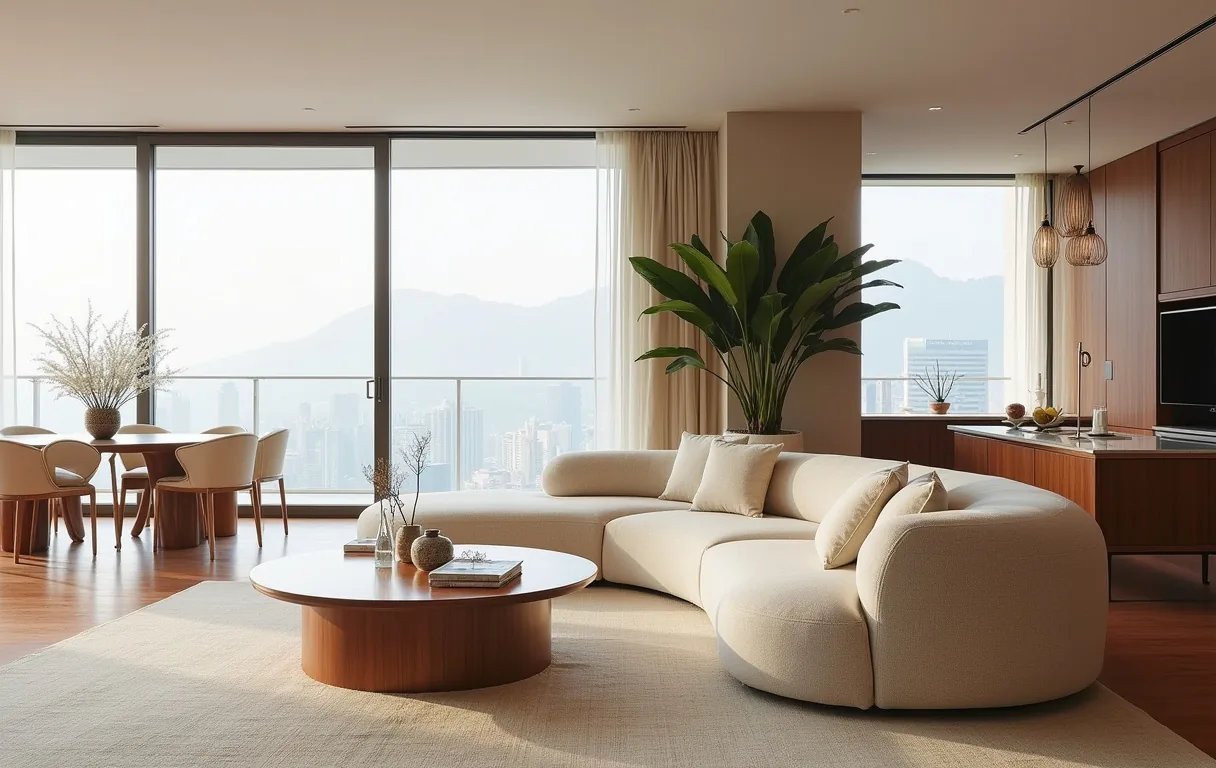
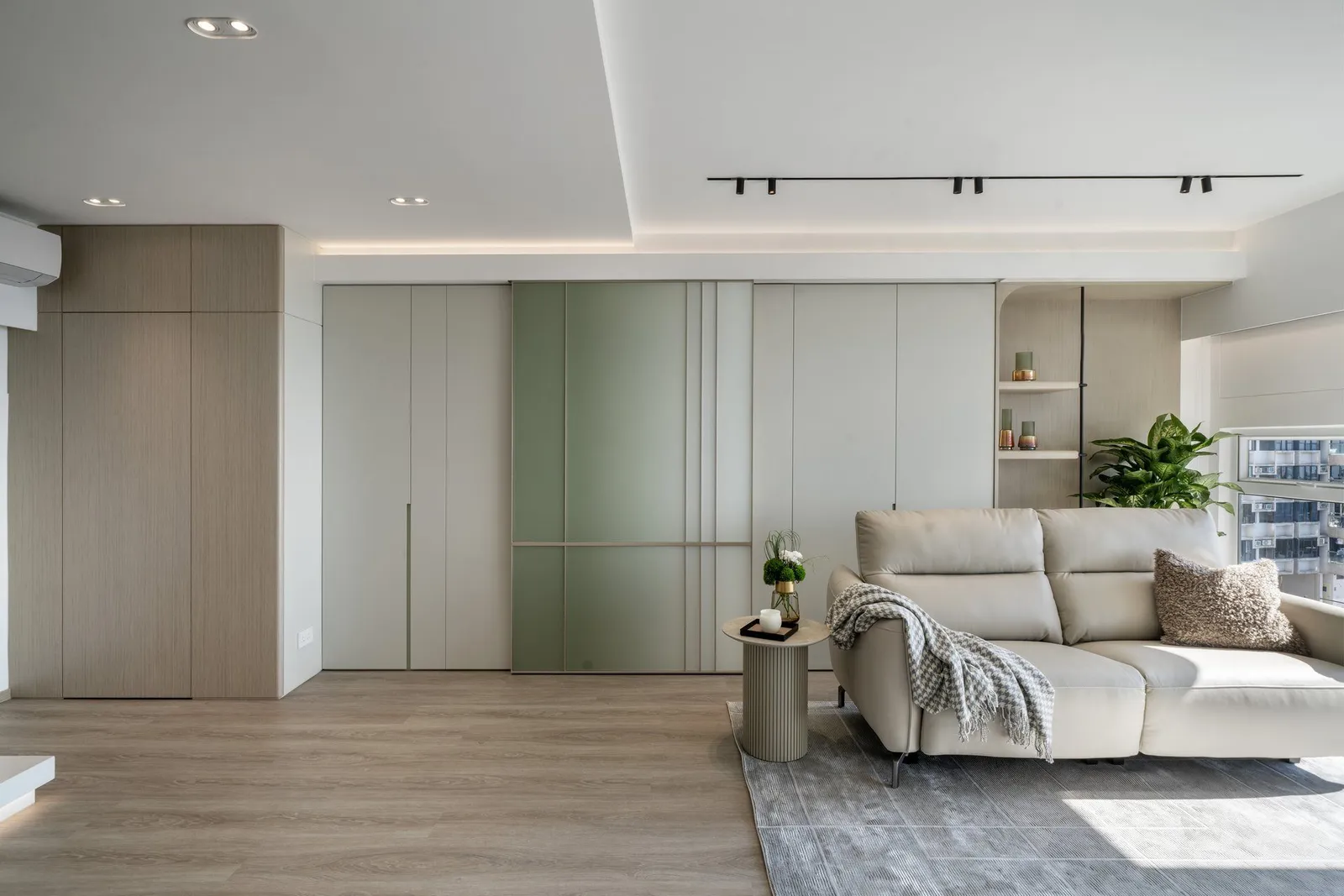
Style is not only about looks; it drives circulation and the sense of space. A straight three-seater reads clean and suits a squarer room and a more pared-back style. An L-shape defines the seating zone in an open-plan layout and separates lounge from dining naturally, which makes it a genuinely practical pick for small Hong Kong flats, though the corner section does eat more floor. A modular sofa is the flexible option: it can be recombined when you move or change the layout, which suits renters and households expecting change. On placement, an open-plan room can use the back of the sofa as an invisible divider between lounge and dining; a small room does better with the sofa against the wall, slimmer arms and raised legs, so the eye travels through and the floor reads wider. Colour and material should answer the flooring, curtains and feature wall: for a roomier feel, choose a low-saturation fabric close to the wall tone; save darker or contrasting colour for when you actually want the sofa to be the focal point. In the end the sofa serves the rhythm of the whole living room rather than stealing the scene alone.
Questions to ask before ordering, and the common traps (with a handover checklist)
When a custom order goes wrong, it is usually not poor workmanship but thin communication before the order. Before you commit, I suggest asking at least this: what the frame is made of, which spring type and how densely it is laid, the seat-fill composition and firmness, the fabric's abrasion and stain ratings, whether the covers are removable and washable, the lead time and delivery-and-placement plan, and the care and repair terms. On the contract, get the exact dimensions, materials and colour codes written down, so nothing rests on a verbal promise. Common traps include: judging by a showroom sample while ignoring your own flat's access route, a seat depth or style that clashes with the room, going cheap on under-supported fill, and leaving too little lead time. At handover, focus on checking that the outer dimensions match the contract, the stitching runs smooth, the zips and covers move freely, the cushions are evenly firm, and there is no odour or obvious flaw. Clear all of this in one pass and the custom experience becomes far more reassuring.
From sofa to whole living room: planning it with a designer
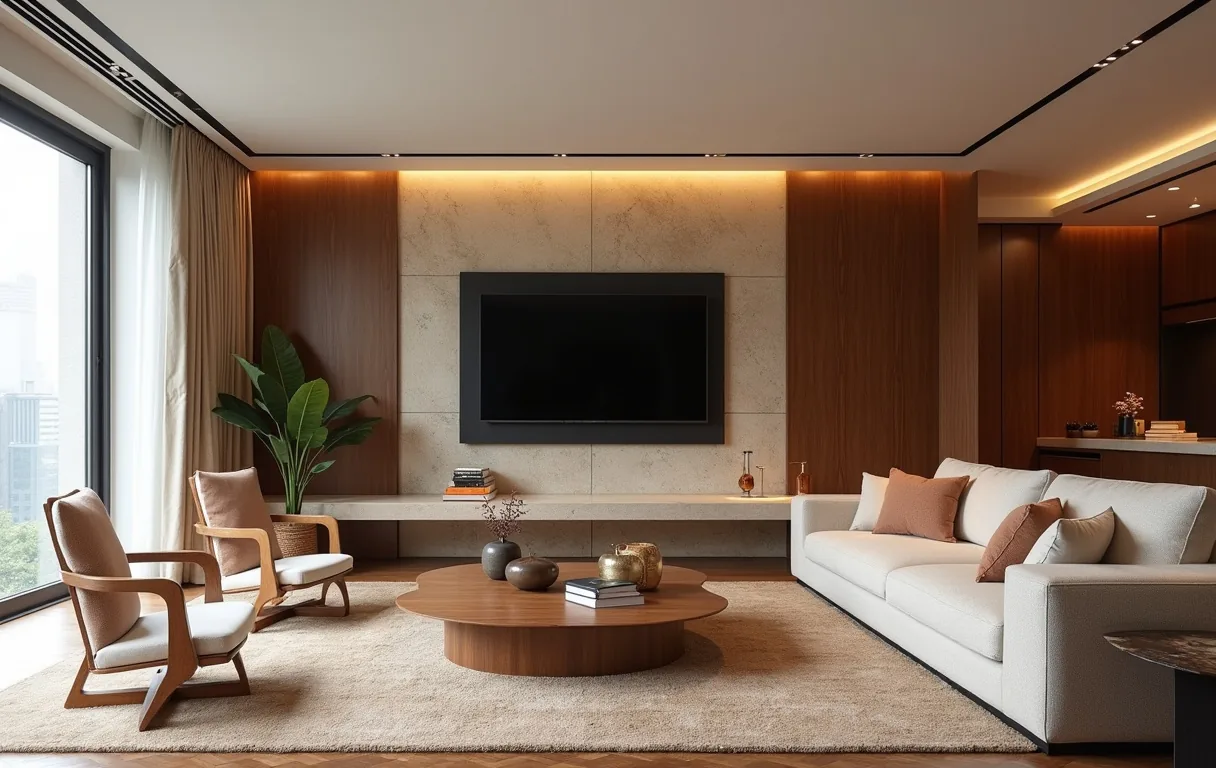
A sofa rarely lives in isolation. If you are renovating, or planning to rework the living room, the sofa really should be considered alongside the platform, lighting, TV wall, storage and even cable runs. This is exactly the value of an interior designer: a retailer can only sell you a sofa, while a designer places that sofa inside a whole living scene, working out proportion, circulation and stylistic harmony. At Artwill we have handled many Hong Kong residential projects where the sofa is settled at the floor-plan stage, with its orientation, nearby socket positions and the height of the adjacent side table all arranged in advance. If you want a custom sofa that folds into the whole home rather than just adding one more piece, you are welcome to talk to our design team; bring your floor plan and how you live, and we can plan the most fitting solution from the perspective of the entire living room.
Open WeChat, Discover, Scan
Or save the QR and import it from your gallery.