
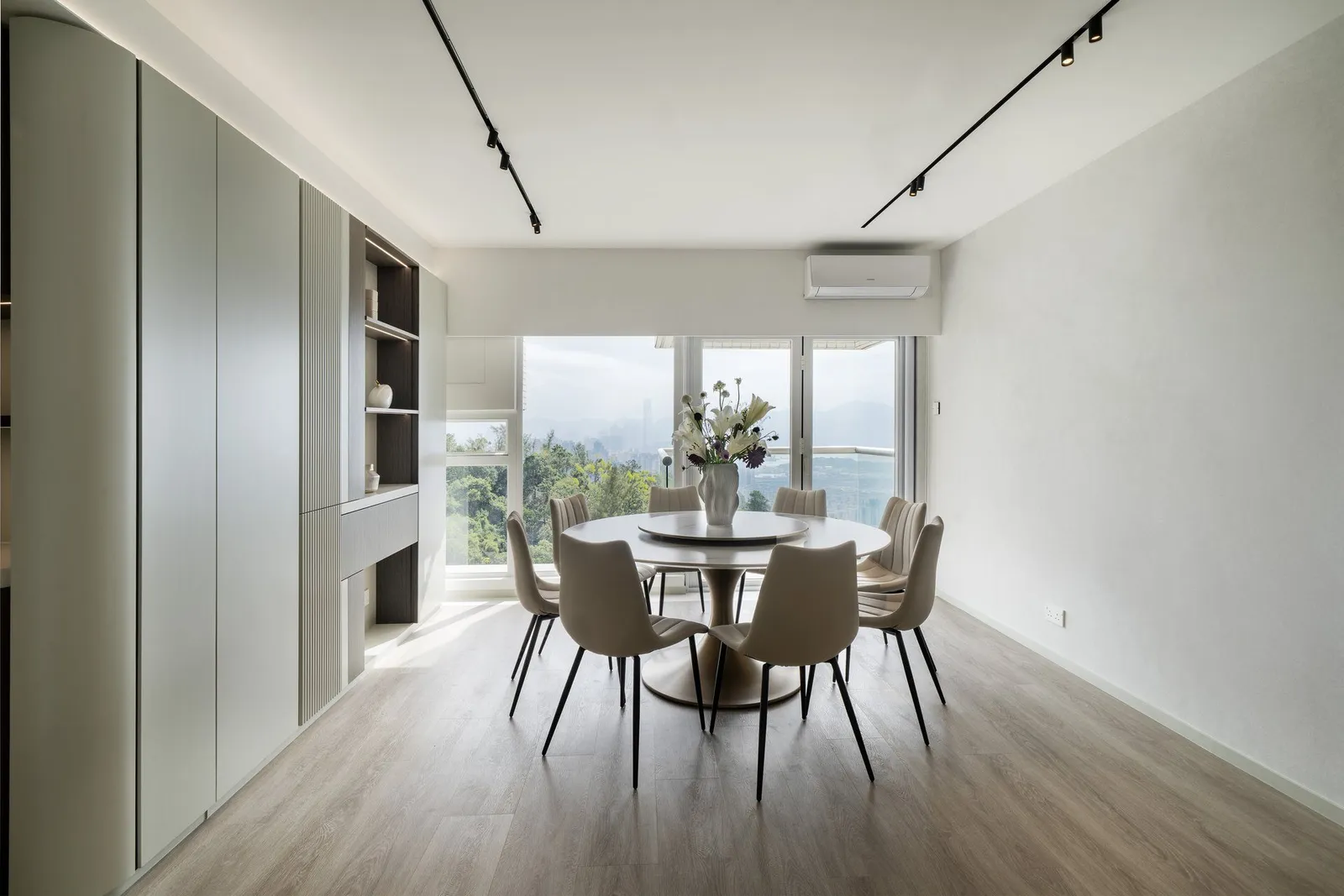
Japandi interior design has become one of the most sought-after looks in Hong Kong, and for good reason: it takes the quiet discipline of Japanese design and warms it with Scandinavian comfort. The result is a home that feels calm, natural and grounded, without ever turning cold or severe. For a busy city flat, that sense of stillness is precious. This guide covers both the pure Japanese look and its Japandi blend, the natural palette and materials that define them, the kind of flat and homeowner they suit, and how to make this restraint feel rich rather than empty in a compact local home.
Japanese and Japandi: the difference
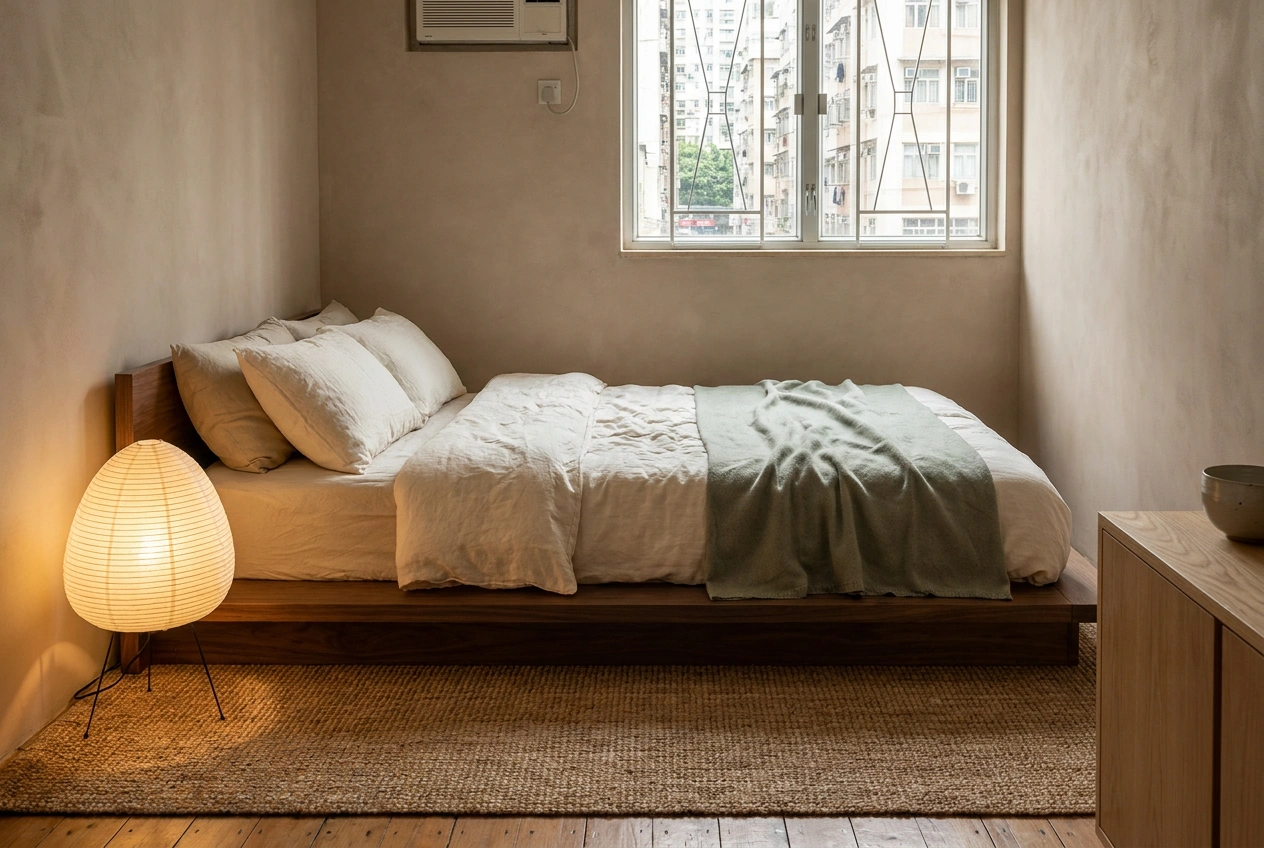
Pure Japanese style is about restraint, natural materials and a deep connection to calm: low, simple forms, warm wood, paper-soft light and a strong respect for empty space.
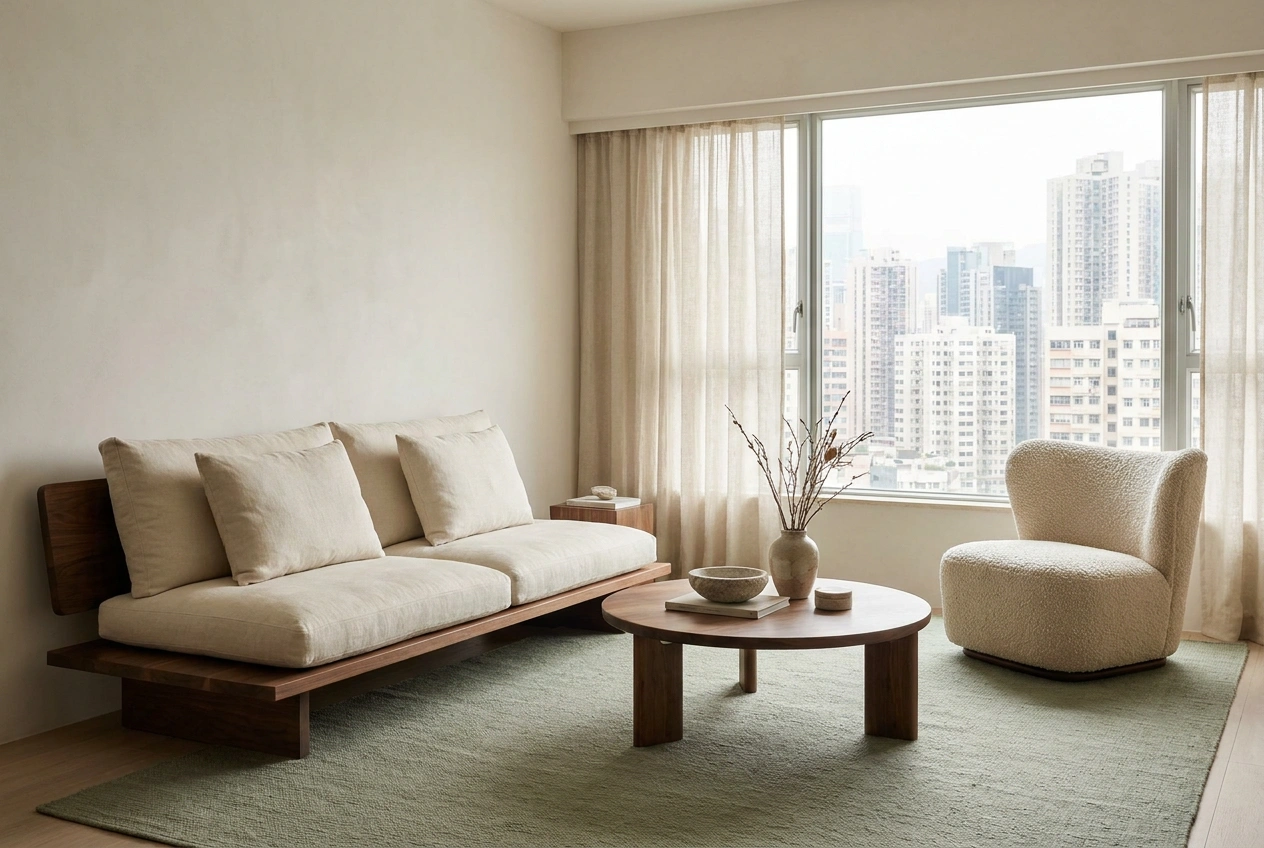
Japandi keeps that discipline but borrows warmth and a little contrast from Scandinavian design, so it feels cosier and more liveable for many homes. Think of Japanese as the more austere, contemplative version, and Japandi as its slightly softer, more practical cousin. Both prize craft, natural texture and a clutter-free calm; Japandi simply makes that philosophy a touch easier to live with day to day.
The natural palette and materials
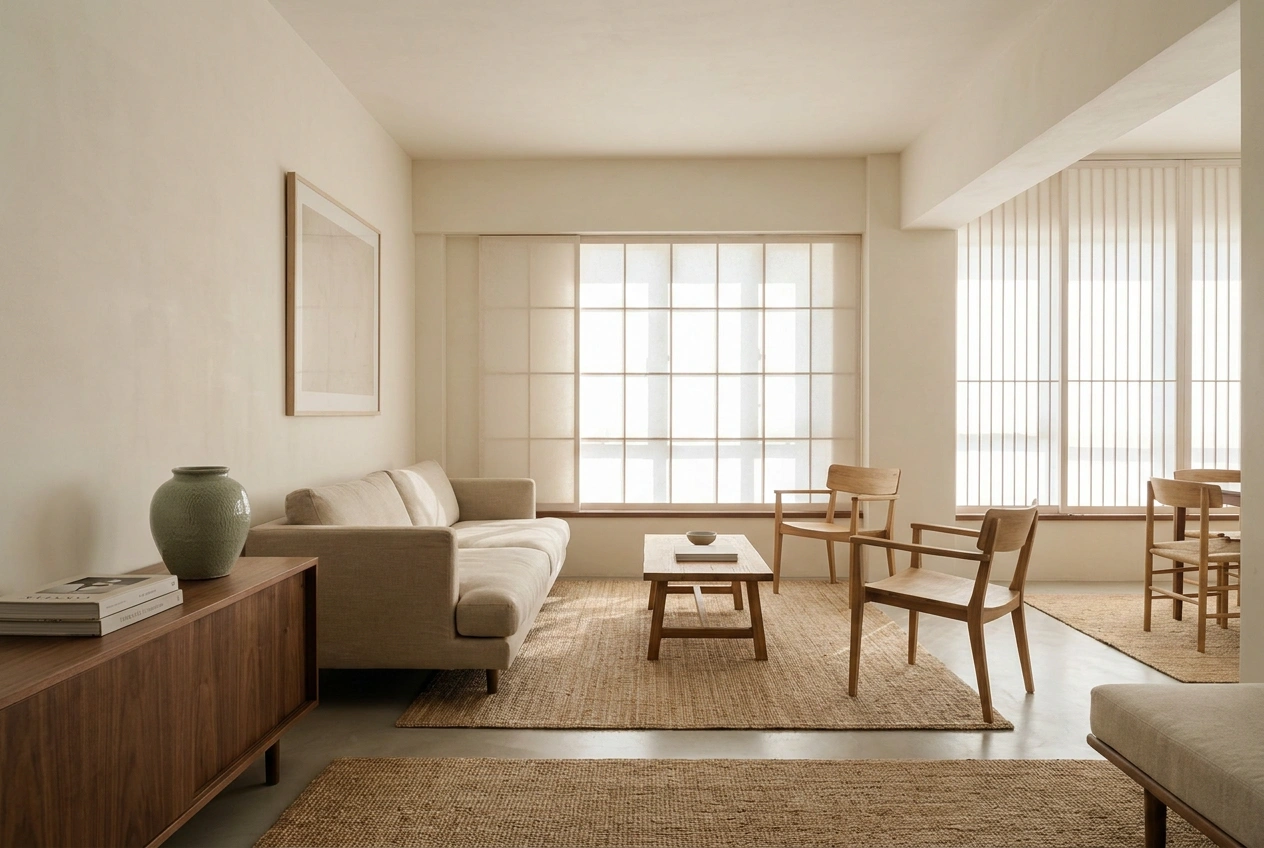
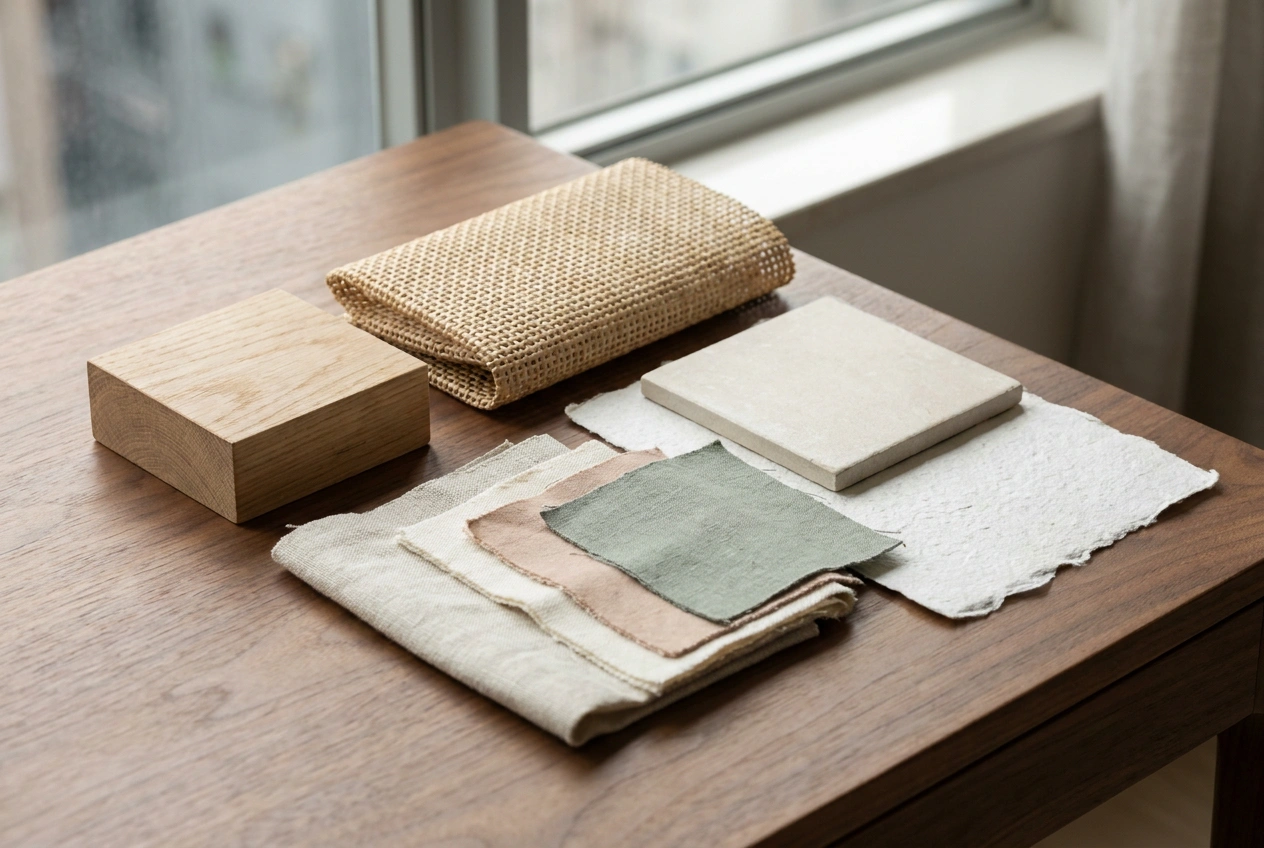
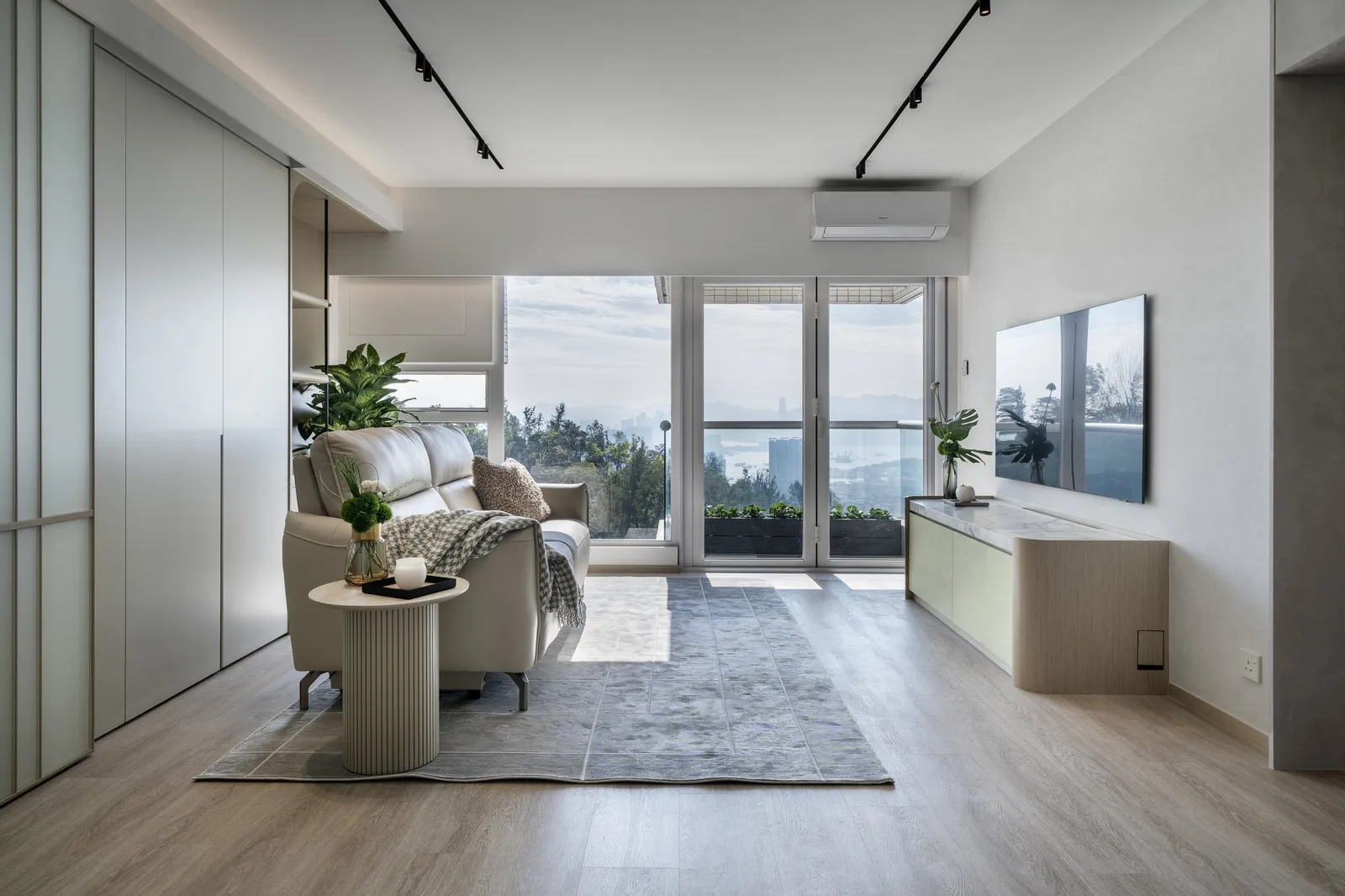
The palette is grounded and earthy: warm woods, soft greys and beiges, muted greens and clay tones, with black used sparingly as a quiet anchor.
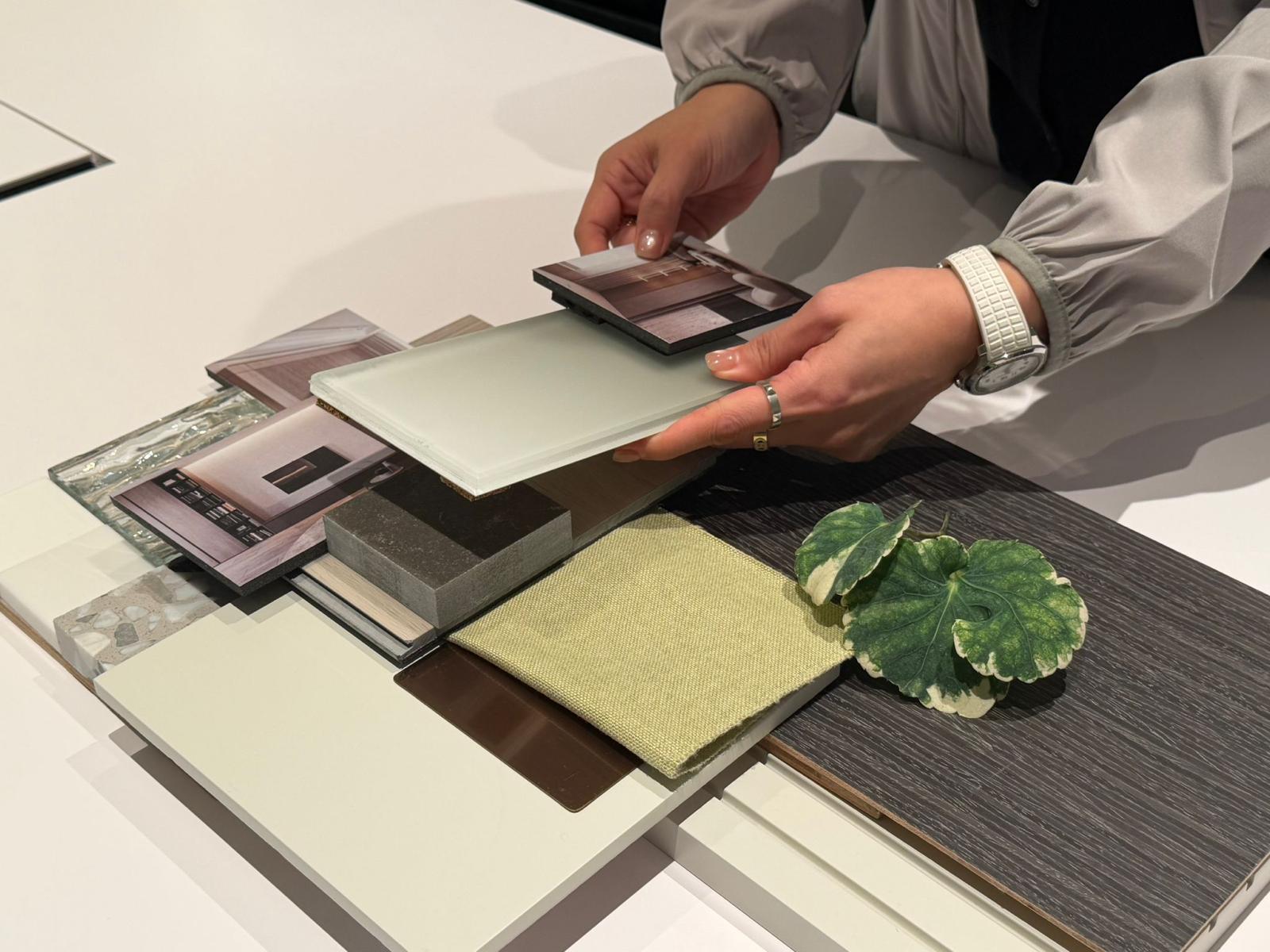
Materials are honest and natural, light timber, linen and cotton, stone, rattan and paper, chosen for texture rather than shine. Nothing is glossy or loud. Lighting follows the same logic: warm, soft and diffuse, echoing the gentle quality of natural daylight rather than flooding the room with bright, even light. The whole scheme is about texture and warmth in a restrained palette, depth without noise.
Who and which flats it suits
Japandi suits anyone who wants their home to feel like a calm retreat from a fast city, and it is wonderfully forgiving for small flats, because its clutter-free discipline makes compact spaces feel ordered and serene.
It works across flat types, but feels especially right where you can bring in some natural light and a connection to wood and greenery. People drawn to it usually value calm, craft and quality over showiness. If your idea of home is somewhere to slow down and breathe, rather than to impress, this is very often the style that fits.
How to do Japandi well in a small flat
In a compact flat, Japandi's restraint is a genuine advantage, because empty space is treated as part of the design rather than something to fill.
Keep the palette tight and let natural wood do the warming. Choose low, simple furniture in honest materials, and design generous concealed storage so surfaces stay clear, the calm depends on it. Add life with a few natural touches: a plant, a linen throw, a handmade ceramic. The aim is a room that feels considered and serene, where every piece earns its place rather than crowding the next.
Common mistakes to avoid
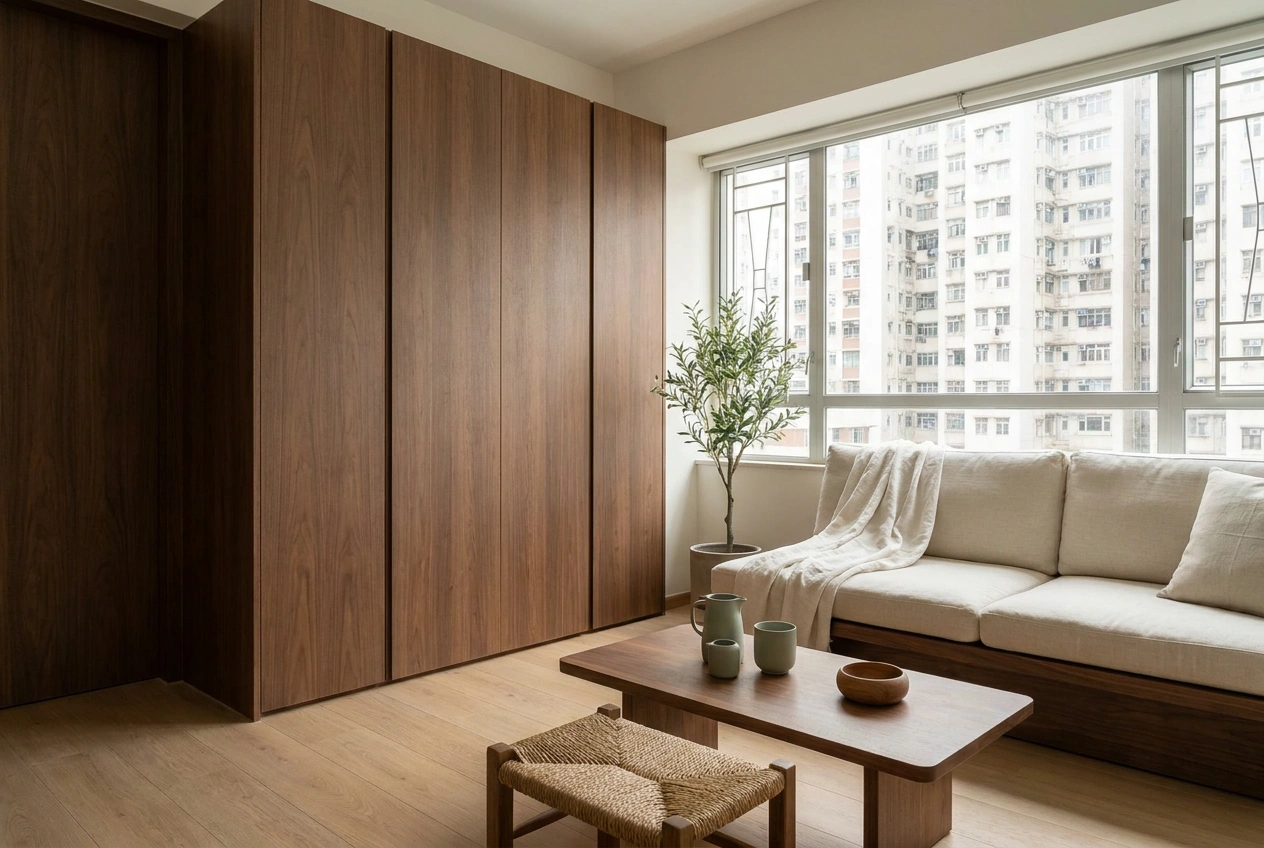
The first mistake is mistaking Japandi for bare. Strip out all texture and warmth and you get an empty, cold room, not a calm one. The warmth of wood and the softness of natural fabric are essential, not optional.
The second is cool, bright lighting, which flattens the gentle, diffuse mood the style depends on; keep light warm and layered. The third is clutter, which Japandi cannot absorb gracefully, so the concealed storage has to be planned from the start. Getting that storage to disappear cleanly into a small flat is precisely the kind of detail we design for clients.
Japandi as a calm base for other styles
Because Japandi is so grounded and restrained, it makes an excellent base to layer gentle warmth or character onto.
Japandi with a cream softness leans cosier and lighter. Japandi with a minimalist discipline becomes even more pared-back and serene. Its natural palette also sits happily alongside a few characterful pieces without losing its calm. If you love the stillness of Japandi but want it tuned warmer or quieter for your own home, that fine-tuning is exactly what we shape together at a free consultation.
Open WeChat, Discover, Scan
Or save the QR and import it from your gallery.