
A flat handover inspection in Hong Kong is the step too many people skip, and regret. When you collect the keys to a new or second-hand flat, it is tempting to dive straight into design. But the smart move is to inspect first, because any defect you miss now will be sealed under your new renovation and far more expensive to fix later. A careful inspection of walls, floors, windows, water and electrics tells you the true condition of the flat before a single decision is made. This guide explains why inspection matters, when to do it yourself versus hiring a building inspector, what to check, and how the picture differs for new and second-hand flats.
Why inspect before you renovate
Inspecting before renovating is simple logic: it is far cheaper to find and fix a problem while the flat is empty than after you have built over it. A hidden leak, an uneven floor or faulty wiring discovered after the cabinetry is in becomes a costly, disruptive repair.
A handover inspection also gives you leverage. With a new flat, documented defects can be raised with the developer during the defects-liability period; with a second-hand flat, knowing the true condition shapes your renovation scope and budget realistically. Either way, you start the project with eyes open, which is exactly the position you want to be in before spending on a renovation.
DIY checklist versus hiring an inspector
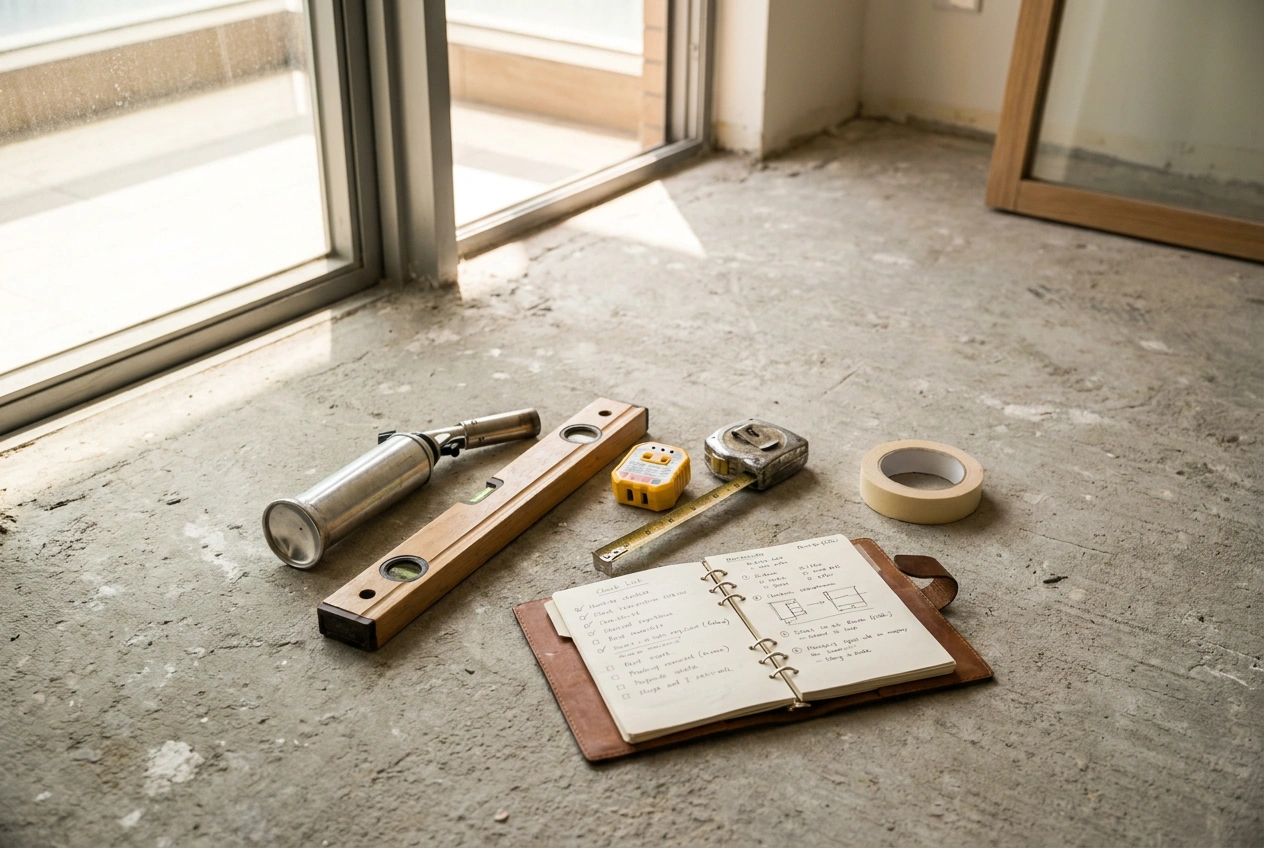
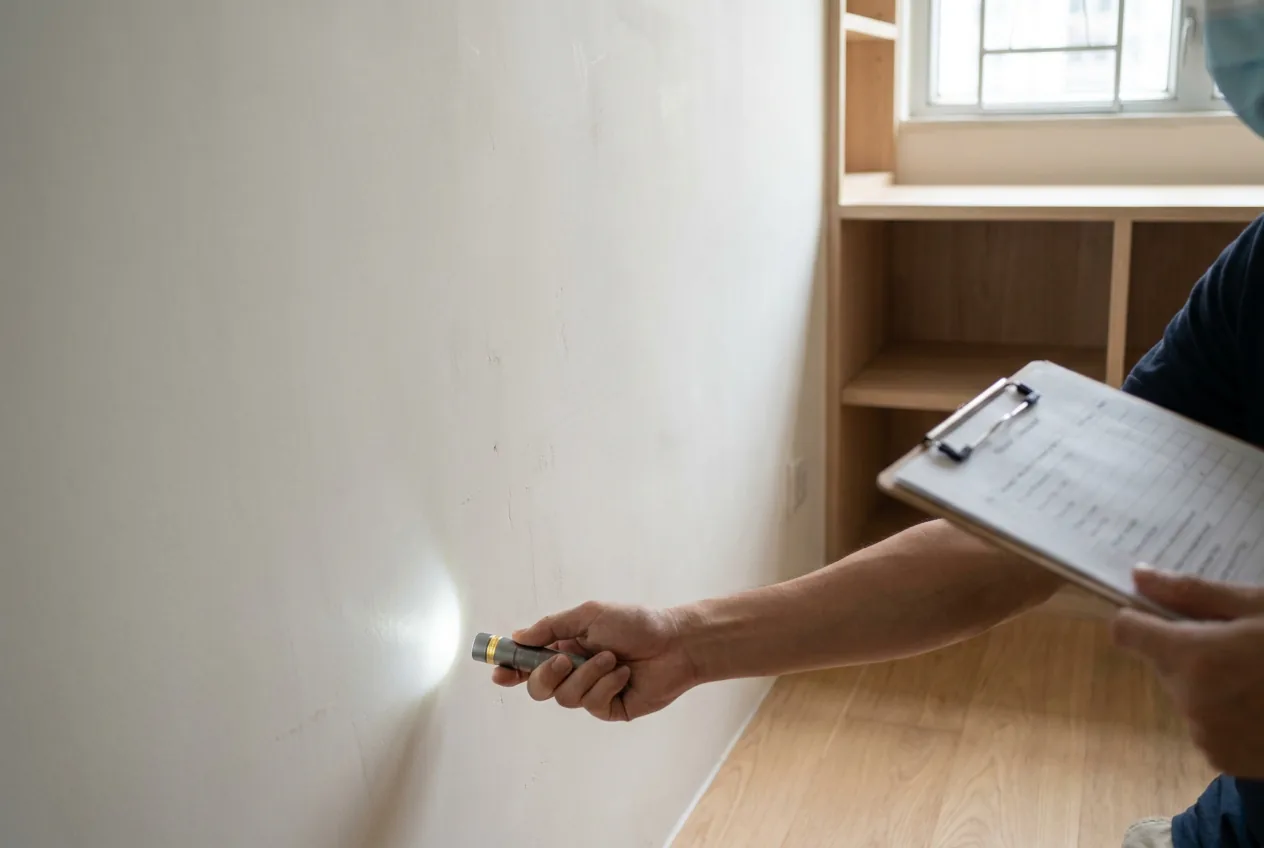
You can do a basic inspection yourself with patience and a simple kit: a torch, a spirit level, a plug tester, some tape and a notebook. A careful DIY pass will catch many obvious issues and is a sensible first step for any handover.
For a thorough assessment, though, a professional building inspector brings trained eyes and tools that find what a layperson misses, hollow tiles, hidden damp, subtle structural concerns. For a brand-new flat, or any flat where you want certainty before committing a renovation budget, hiring an inspector is money well spent. Many owners do both: a personal walk-through, then a professional check on anything that gives them pause.
Walls, floors and ceilings
Start with the big surfaces. On walls and ceilings, look for cracks, damp patches, water stains, uneven plaster and any sign of past leaks, paying special attention to corners, around windows and below bathrooms above.
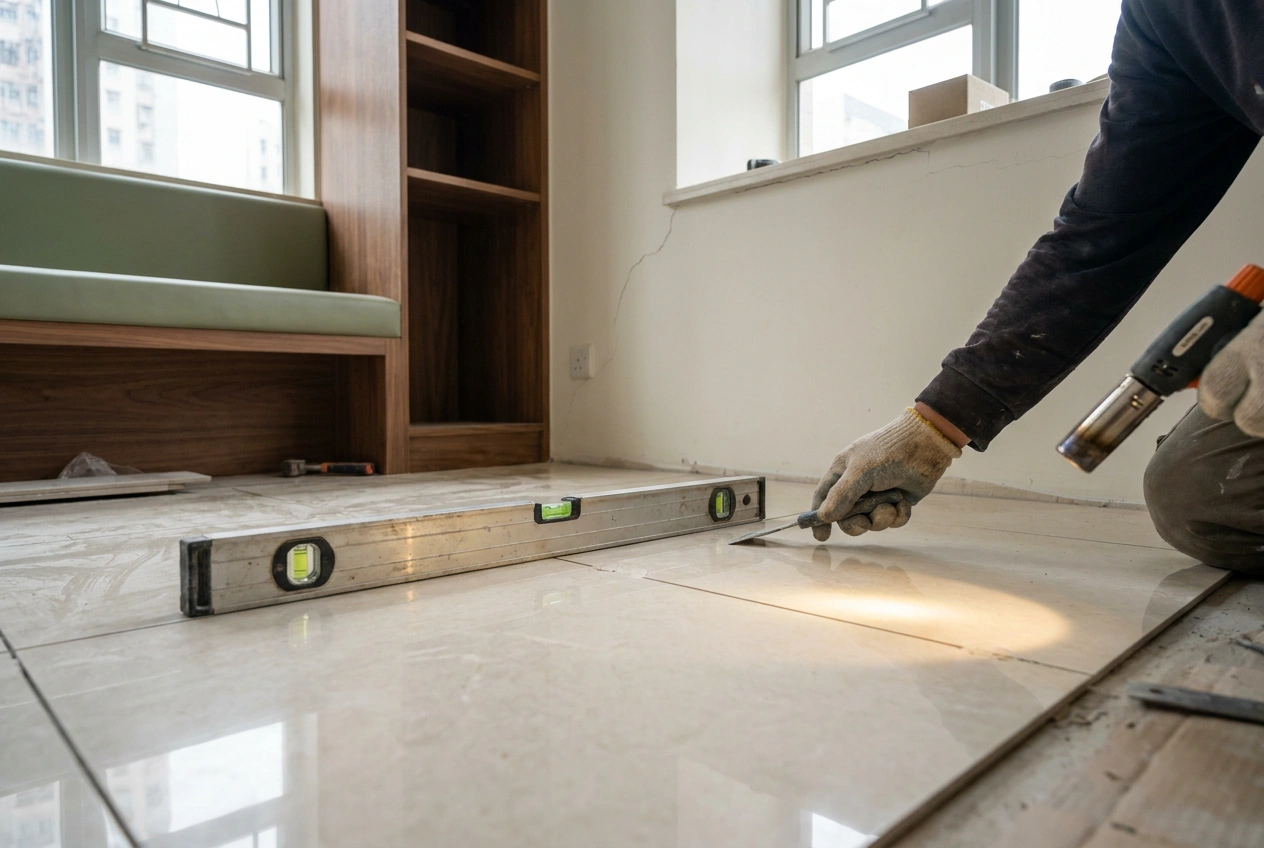
For floors, check that they are level using a spirit level, and tap tiles to listen for a hollow sound that signals poor adhesion and future lifting. Note any chips, lippage between tiles, or sloping. These surfaces are expensive to put right once you have decorated over them, so a patient look now, room by room, is one of the most valuable parts of the whole inspection.
Windows, water and electrics
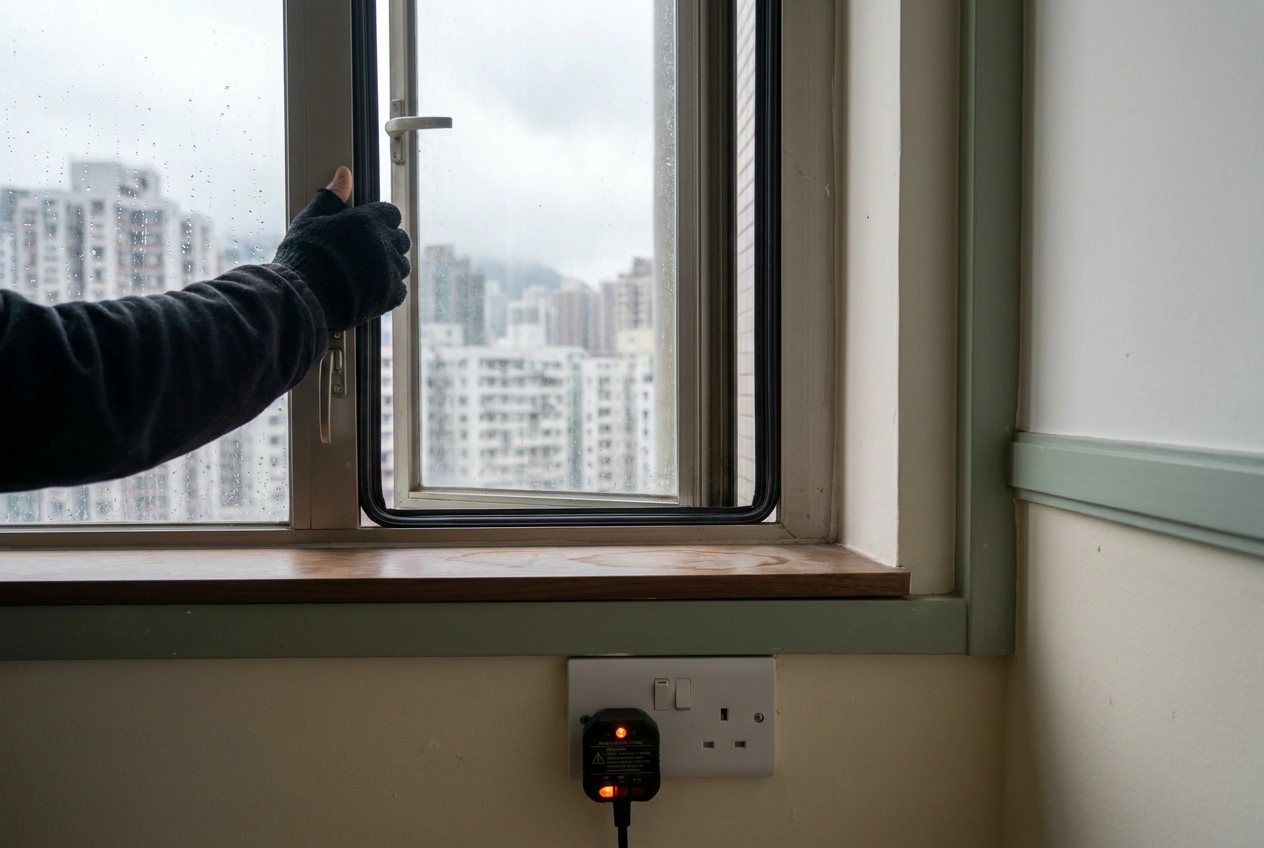
Windows matter for weather and comfort: open and close each one, check it seals properly, look for cracked glass or damaged frames, and watch for water marks below that hint at past leaks. In Hong Kong's rain and wind, a poorly sealed window causes lasting trouble.
For water, run every tap, flush toilets, and check drainage flows away without pooling; look under sinks and around the kitchen and bathrooms for damp. For electrics, test sockets with a plug tester, check the consumer unit and that switches work. Water and electrical faults are both hazardous and costly, so neither should be taken on trust at handover.
New flats versus second-hand flats
The inspection mindset shifts with the flat's history. With a brand-new flat, you are checking the developer's workmanship, and you usually have a defects-liability window in which to report faults for them to put right, so documenting everything promptly is key.
With a second-hand flat, you are assessing genuine wear and age: older plumbing and wiring that may need renewing, finishes near the end of their life, and any problems left by the previous owner. There is no developer to call back, so the findings feed straight into your renovation scope. Knowing which situation you are in tells you what to look for and what to do with what you find.
Timing the inspection around your renovation
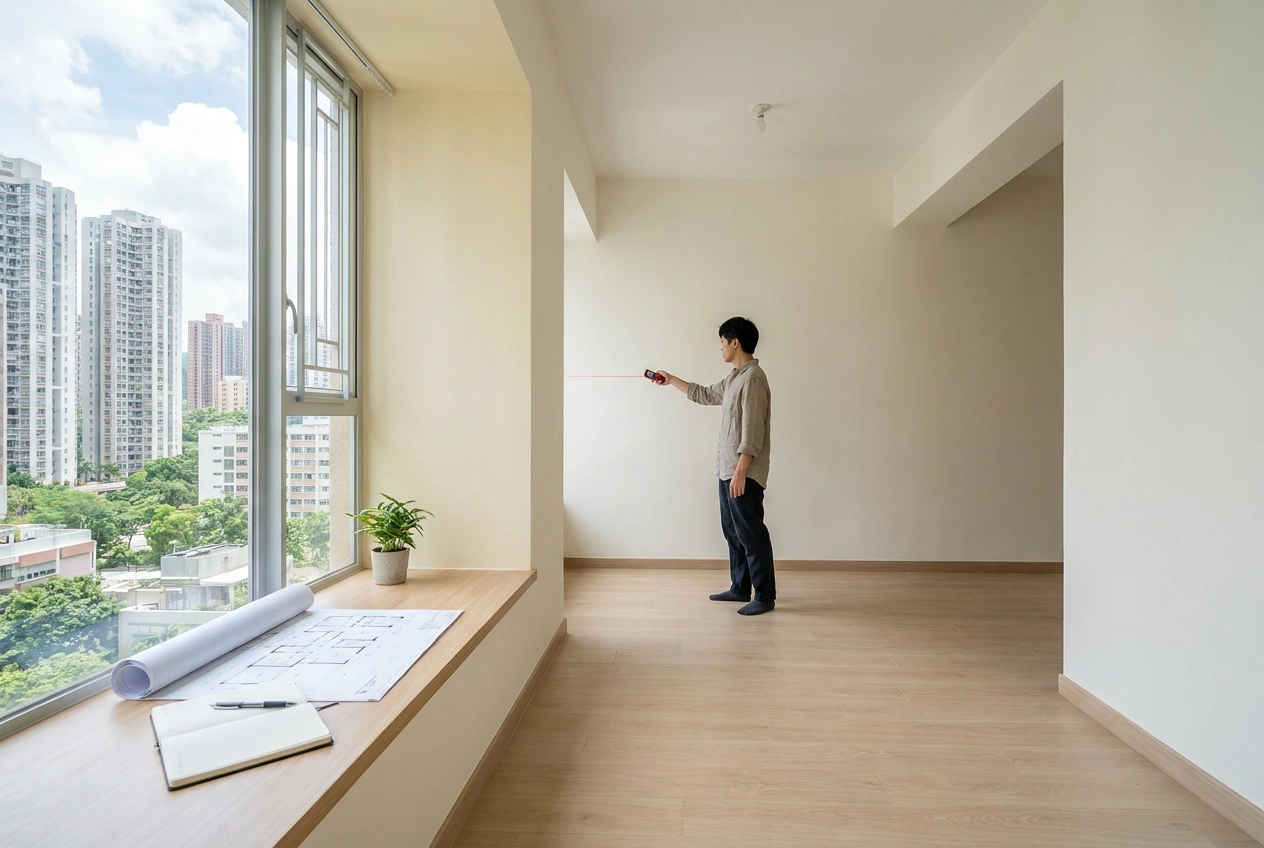
Timing matters. Inspect as soon as you have access and before any renovation begins, so findings can shape the design and the budget rather than disrupt them. For a new flat, fit the inspection within the defects-liability period so the developer can address anything raised.
Once you have a clear picture of the flat's condition, the renovation can be scoped accurately, fixing real issues rather than guessing. This is where an inspection and a design-and-build team dovetail neatly: the condition report informs the plan from day one. If you would like, a free consultation is a good moment to bring your findings and talk through what they mean for the work.

Open WeChat, Discover, Scan
Or save the QR and import it from your gallery.