
Many people assume an "interior design fee" and a "renovation cost" are the same thing. They are not. A design fee pays for professional judgement, space planning and a complete set of construction drawings. The construction cost is the labour and materials of the actual build. Once you separate the two, it becomes clear what design work is really worth and where its value sits. This guide explains the common interior design fee models in Hong Kong, the advantage of a single design-and-build route, and the questions worth asking a studio before you commit.
Design fee versus build cost: two different things
The design fee covers the thinking: understanding how you live, planning the layout, resolving the look, and producing the drawings the trades will build from. The build cost covers the doing: demolition, trades, joinery and materials on site.
Confusing the two leads to the wrong comparisons. A studio that charges a design fee is not "more expensive"; it is pricing a service that an unplanned, build-only job simply leaves out. The drawings and decisions are what keep the build on track and on budget.
What a design service usually includes
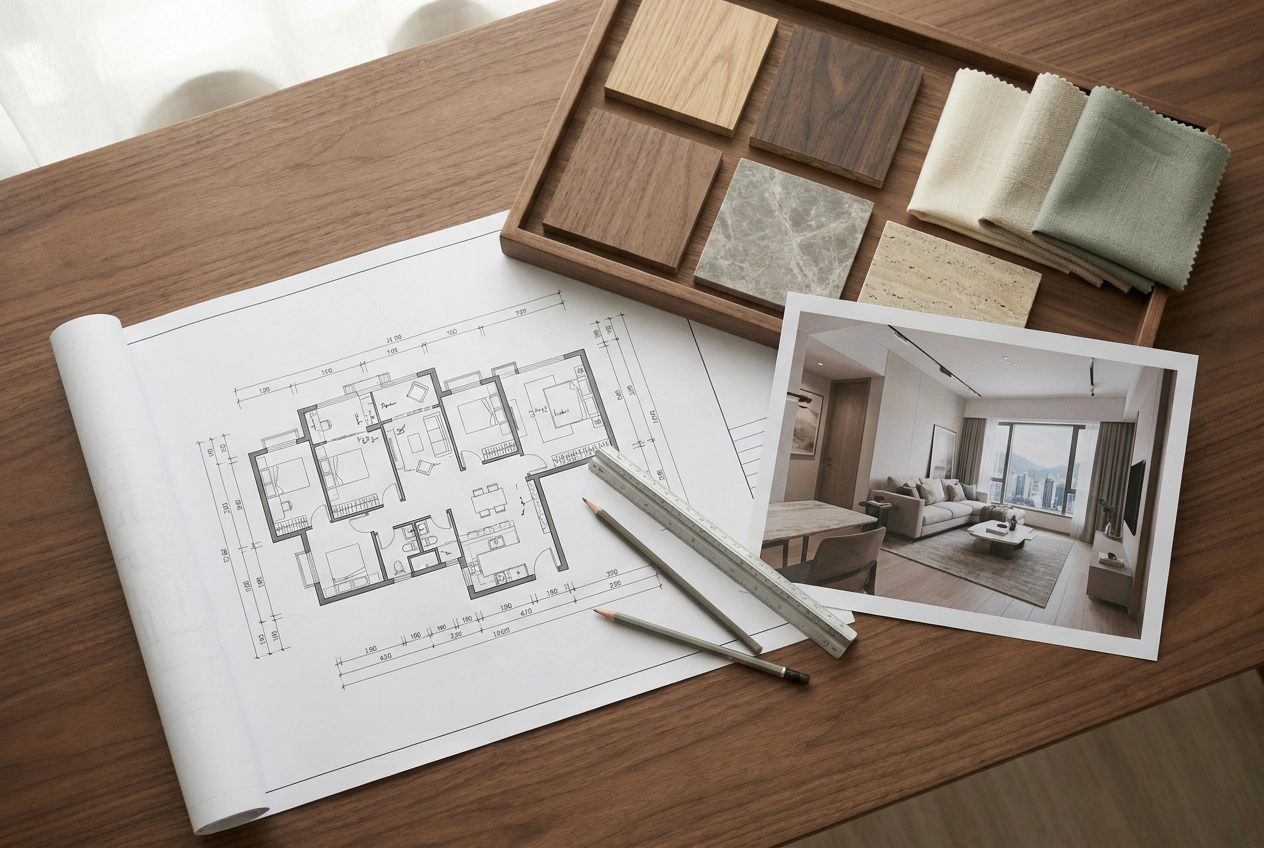
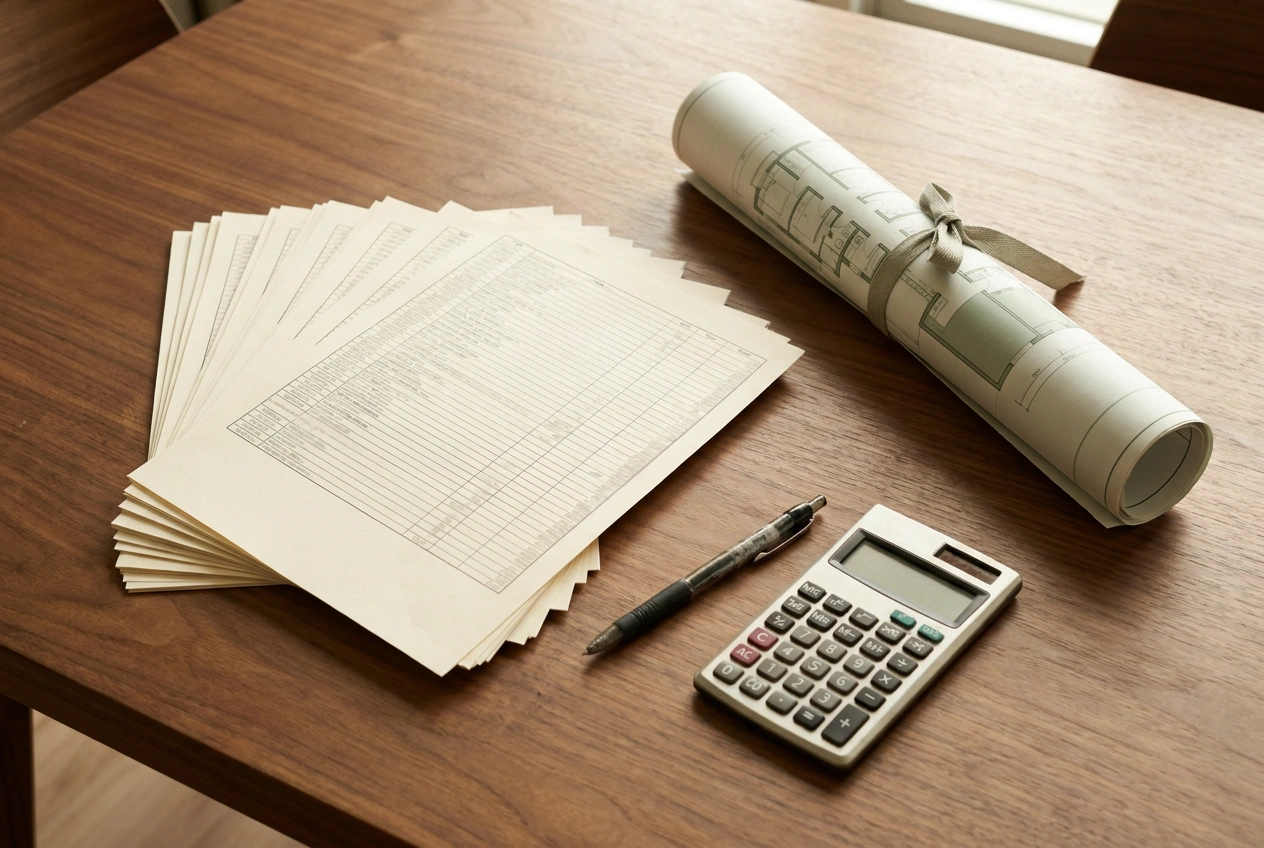
A full design service generally covers a concept and layout, material and finish selection, detailed construction drawings, and design supervision during the build to make sure what is built matches what was drawn.
Some studios also include 3D visualisations so you can see the space before committing. The point of all this is risk reduction: decisions made on paper are cheap to change, while decisions made on site are not. Good design is, in large part, expensive mistakes avoided.
Common fee models
Design fees in Hong Kong are usually structured in one of a few ways: priced per project based on scope, related to the floor area, or folded into a combined design-and-build engagement where one team handles both.
Each has its logic. A per-project fee suits a clearly defined brief; an area-based fee scales with the size of the home; a combined engagement simplifies accountability. What matters is that the basis is explained clearly, so you understand what you are paying for and what it delivers.
The advantage of design-and-build together
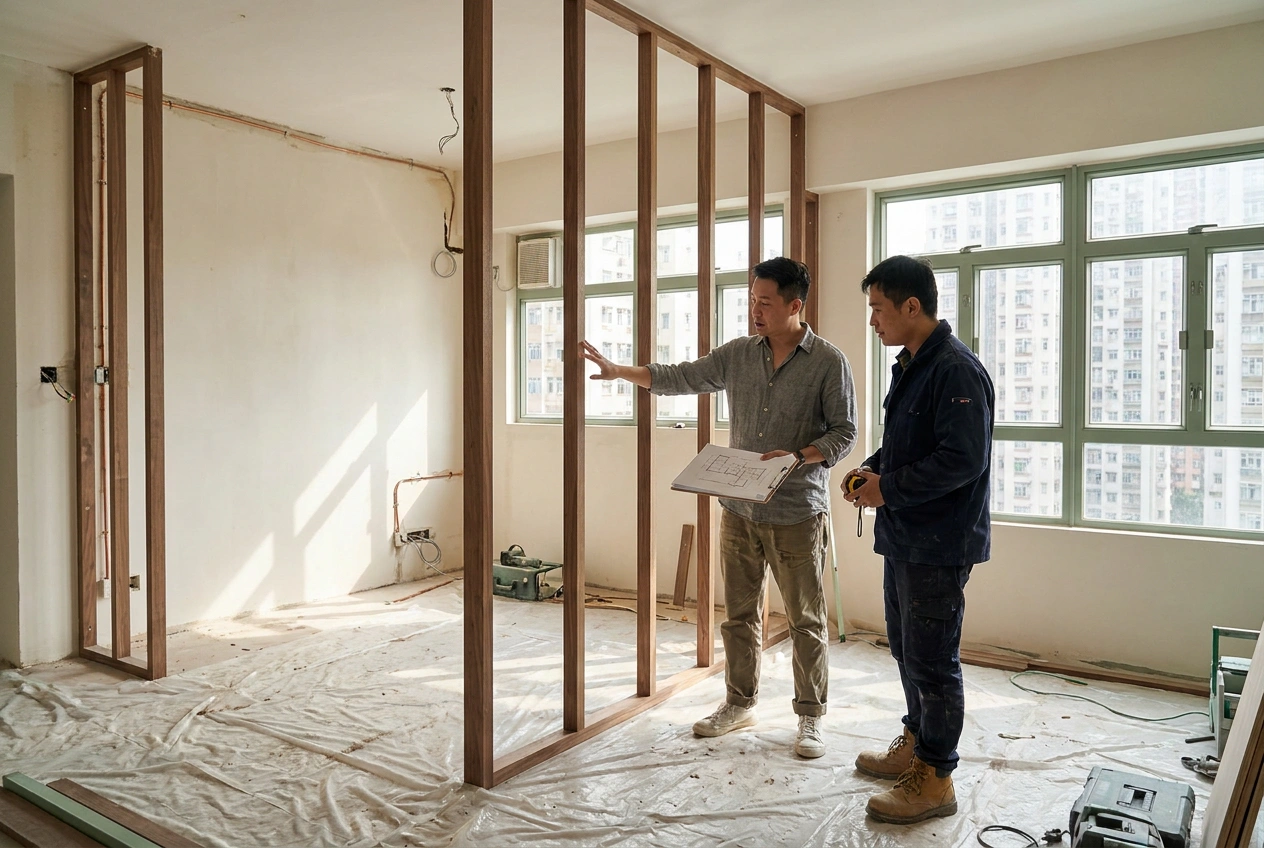
When one studio handles both design and construction, the drawings and the build answer to the same team. There is no gap for one party to blame the other, and no translation loss between a designer's intent and a contractor's execution.
For most homeowners this means fewer surprises and a single point of responsibility from first sketch to handover. It is the model we use, because it keeps the design promise and the built result aligned, and the client dealing with one accountable team throughout.
Why a design fee is an investment, not a cost
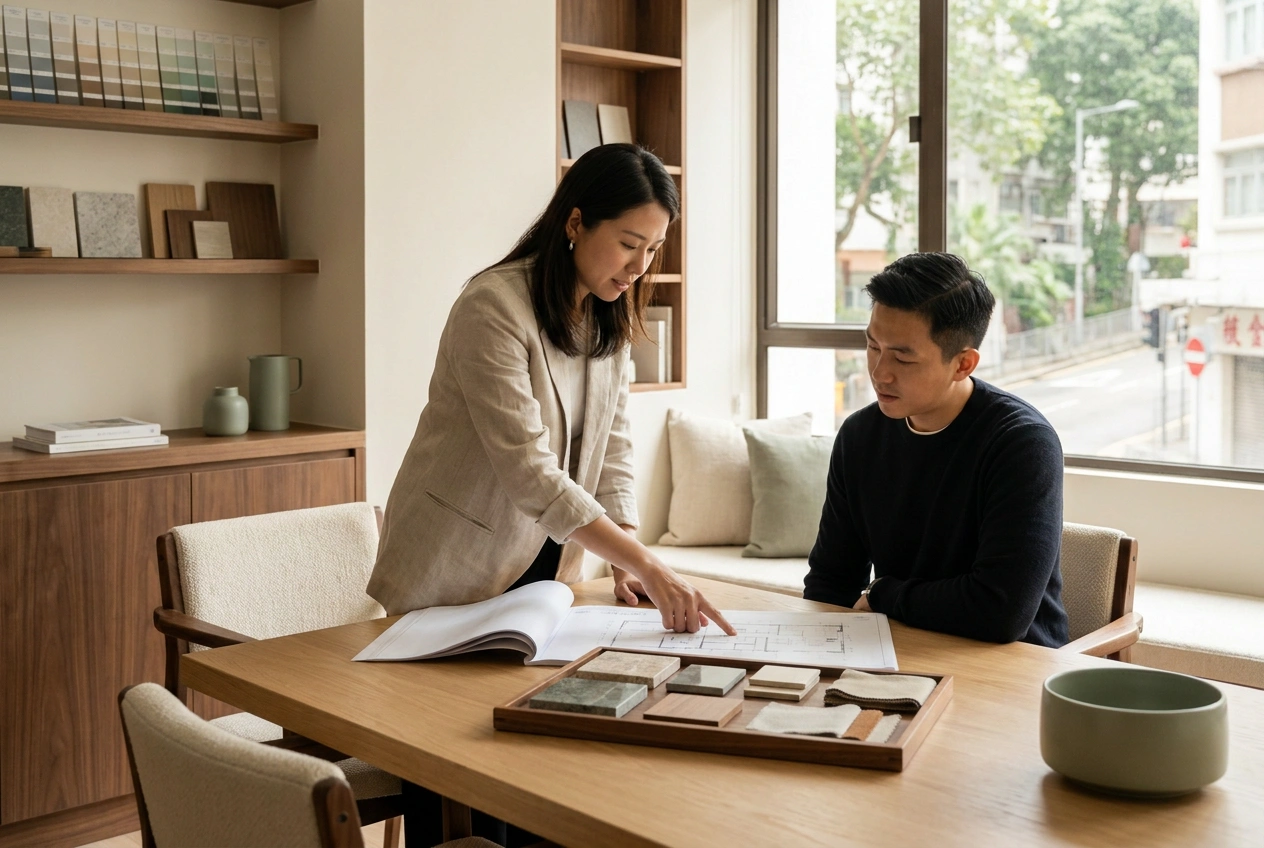
It is tempting to view a design fee as an extra on top of the build. In practice, good design usually pays for itself: in storage that genuinely fits, a layout that lives well, materials chosen to last, and a build that avoids costly rework.
The cheapest route on paper, skipping design and building straight from a rough idea, is often the most expensive once changes, mistakes and short-lived finishes are counted. A considered design protects the larger sum you are about to spend on the build.
What to ask before choosing a studio
Before you appoint anyone, a few questions clarify a great deal:
Are design and build priced separately or together, and what does each cover?
Are construction drawings and material selection part of the service?
Will the designer supervise the site, or hand drawings to a separate contractor?
What does the aftercare and workmanship warranty look like?
Clear answers tell you not just the fee, but how the studio works, which matters far more to the final result than the headline number.
Open WeChat, Discover, Scan
Or save the QR and import it from your gallery.