
"How much does it cost to renovate a flat?" is almost always the first question. The honest answer is that there is no single number, because the price is set by several things working together: the size and age of the flat, whether walls move, how much custom joinery you need, the grade of materials, and whether the wiring and plumbing have to be redone. The same floor area can differ by a wide margin depending on the brief. Rather than chase an average per-square-foot figure that may have nothing to do with your home, it helps to understand what your quotation is actually made of. This guide breaks down the factors that move a Hong Kong renovation budget, so you know where your money goes and where it matters most.
How a renovation budget usually splits
A residential budget tends to divide into a few large blocks: base works (demolition, wet trades, electrical and plumbing), carpentry and custom joinery, the kitchen and bathrooms, paint and flooring, then loose furniture and appliances.
Carpentry and built-in storage often take the largest share, because Hong Kong flats are tight on space and storage is almost always made to measure. The base works depend on the age of the flat: a newly handed-over unit may need only light fitting-out, while an older flat can require fresh plumbing and rewiring. Once you see roughly how much each block carries, the numbers on a quotation stop looking random.
The 7 factors that move the price
When we sit down with a client to talk budget, we usually start from these:
1. Floor area. More space means more material and labour.
2. Age and condition. Older flats need more demolition and making-good.
3. Layout changes. Removing walls or moving the kitchen and bathroom adds cost.
4. Joinery volume. The more custom cabinetry and partitions, the higher the build.
5. Material grade. Flooring, worktops and hardware each come in tiers.
6. Electrical and plumbing. A full rewire or re-pipe changes the picture a lot.
7. Level of finish. The more exacting the detailing, the more hours on site.
Understand these seven and you will see why two companies can quote so differently for the same flat.
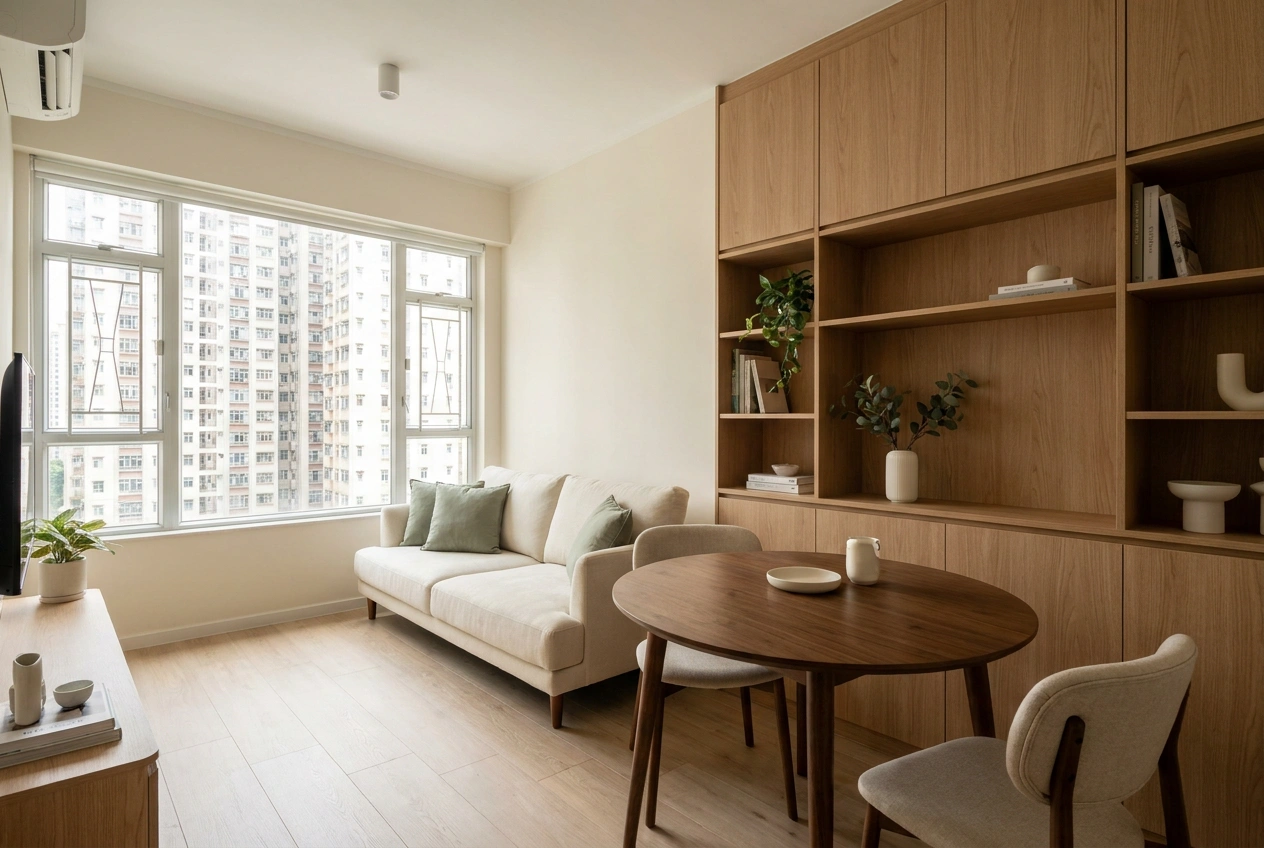
Package quotes versus tailored quotes
Many firms advertise a renovation "package", a fixed rate multiplied by your floor area. The appeal is a budget that is easy to grasp, but only if your flat and brief happen to sit inside the package assumptions.
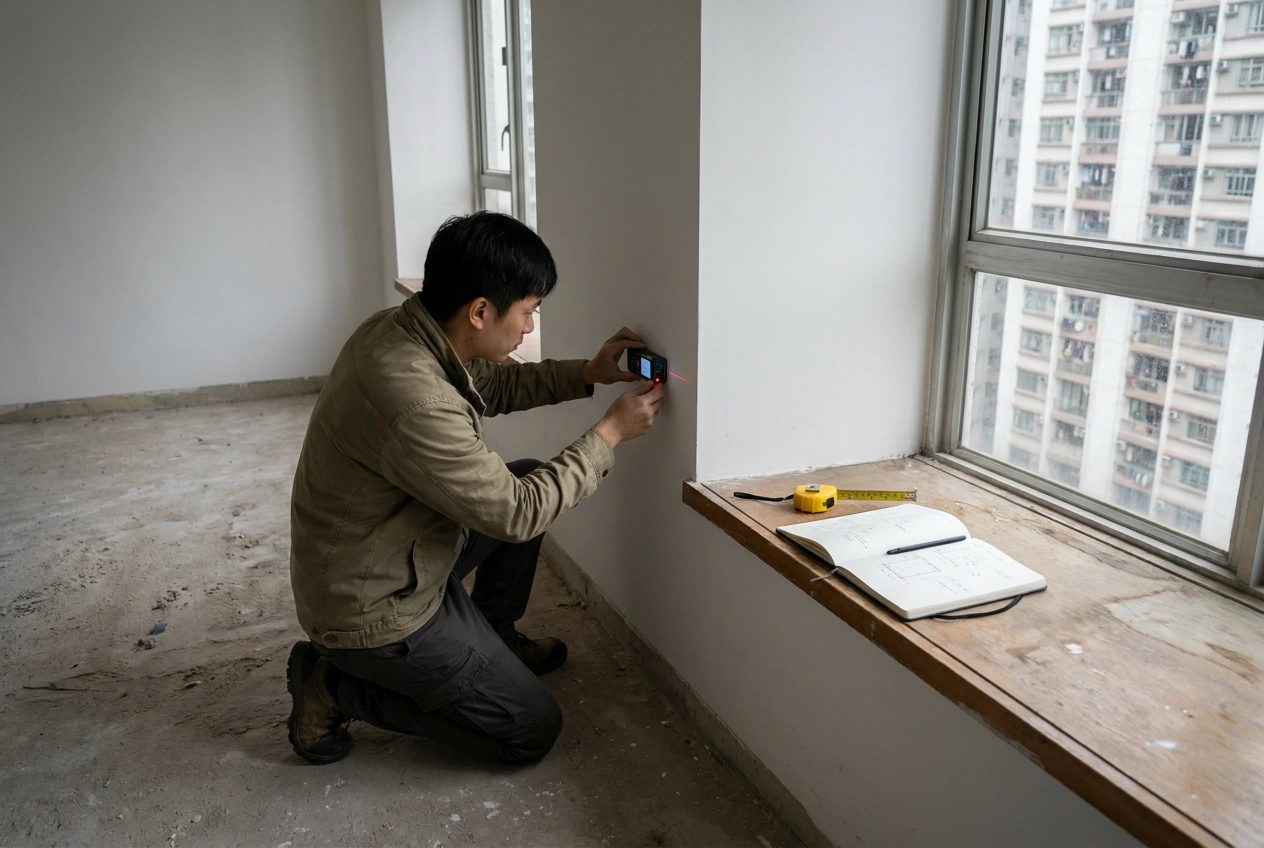
A tailored quote prices your actual flat and design line by line. It takes longer because it needs a site measure and drawings, but the figure is far closer to reality and avoids the awkward "not included in the package" surprises. As a rule, if you are changing the layout, adding a lot of joinery, or working with an older flat, a tailored quote will serve you better than a package.
The hidden costs people forget
Beyond the quotation, a few items are routinely left out of the early sums:
Submission and authorised-person fees, where structural work or unauthorised-structure reinstatement is involved. This is not the place to economise.
Building-management deposits and protection works for lifts, corridors and common areas.
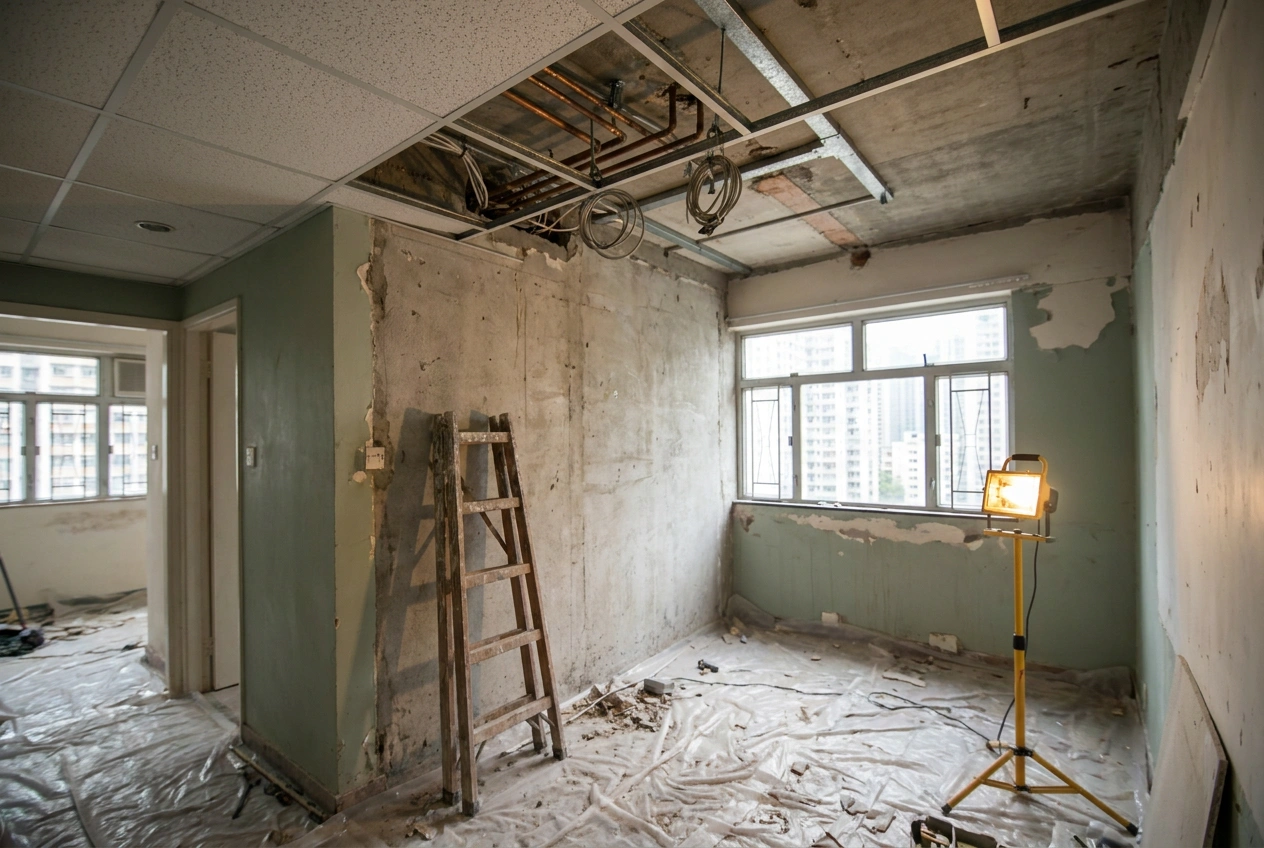
Variations discovered mid-job, for example aged pipework found once a false ceiling comes down.
We usually advise homeowners to hold back ten to fifteen per cent of the total as a contingency. With that buffer in hand, a surprise on site does not derail the whole plan.
Spending where it counts
When the budget is tight, the goal is not to cut everywhere but to separate the essential from the optional.
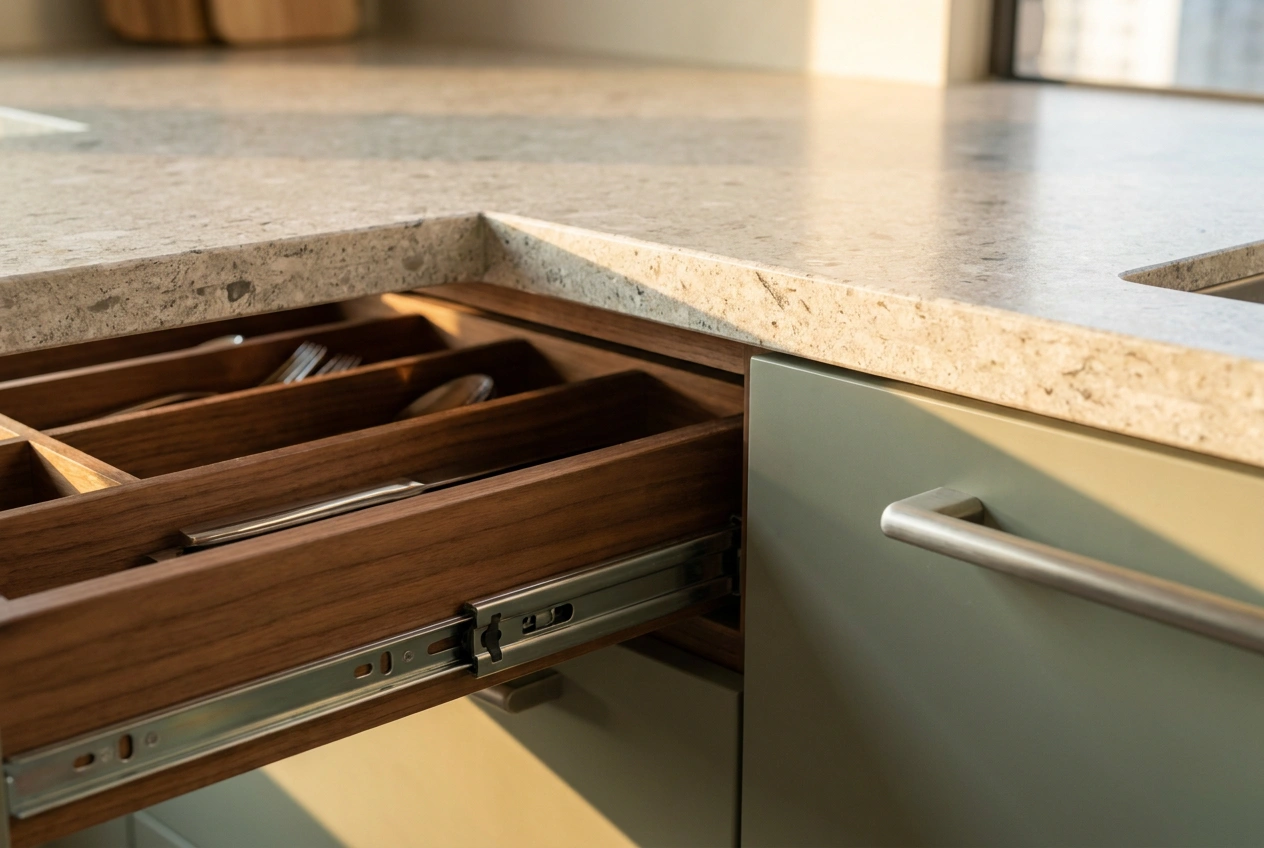
Worth investing in: the things you touch every day, such as worktops, flooring, hinges and runners, and the storage design itself. These decide durability and how the home actually lives.
Where you can be flexible: purely decorative detailing, and loose furniture or soft furnishings you can add later.
A good designer does not simply pick nice things. They help you decide, within a real budget, what to fund now and what can wait. That trade-off is often the difference between a home that merely looks finished and one that feels right to live in.
Why two quotes can look so different
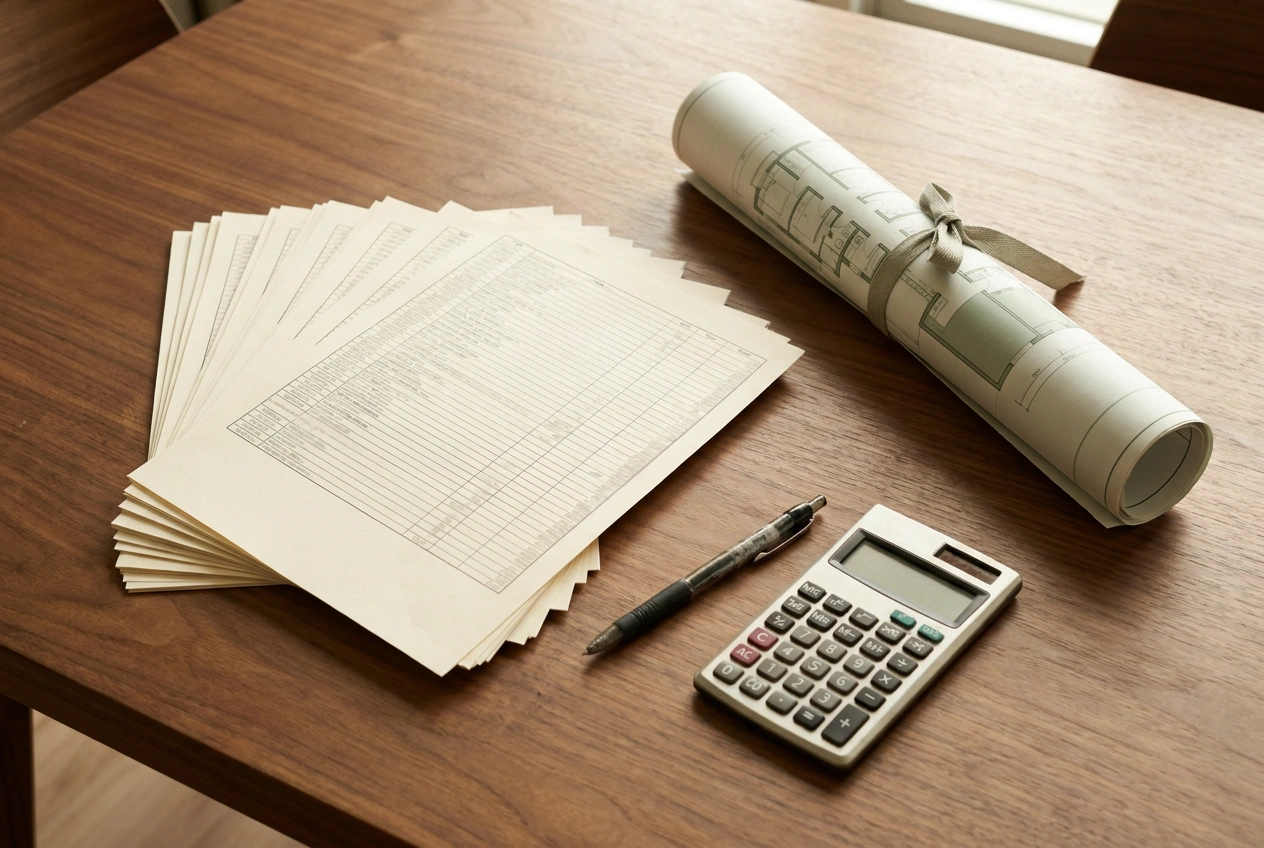
When you hold several quotations side by side, the key is to check whether they are pricing the same thing.
A low quote may use a lower material grade, leave out certain trades, or work to a looser standard of finish. A higher one may include design, site supervision and aftercare. Reading the bottom line alone is easy to misjudge.
Instead of asking "who is cheapest", ask "what does this price include, and exclude". Once you break each quote back into its line items, the real gap appears. The next step is learning to read a renovation quotation line by line.
Open WeChat, Discover, Scan
Or save the QR and import it from your gallery.