
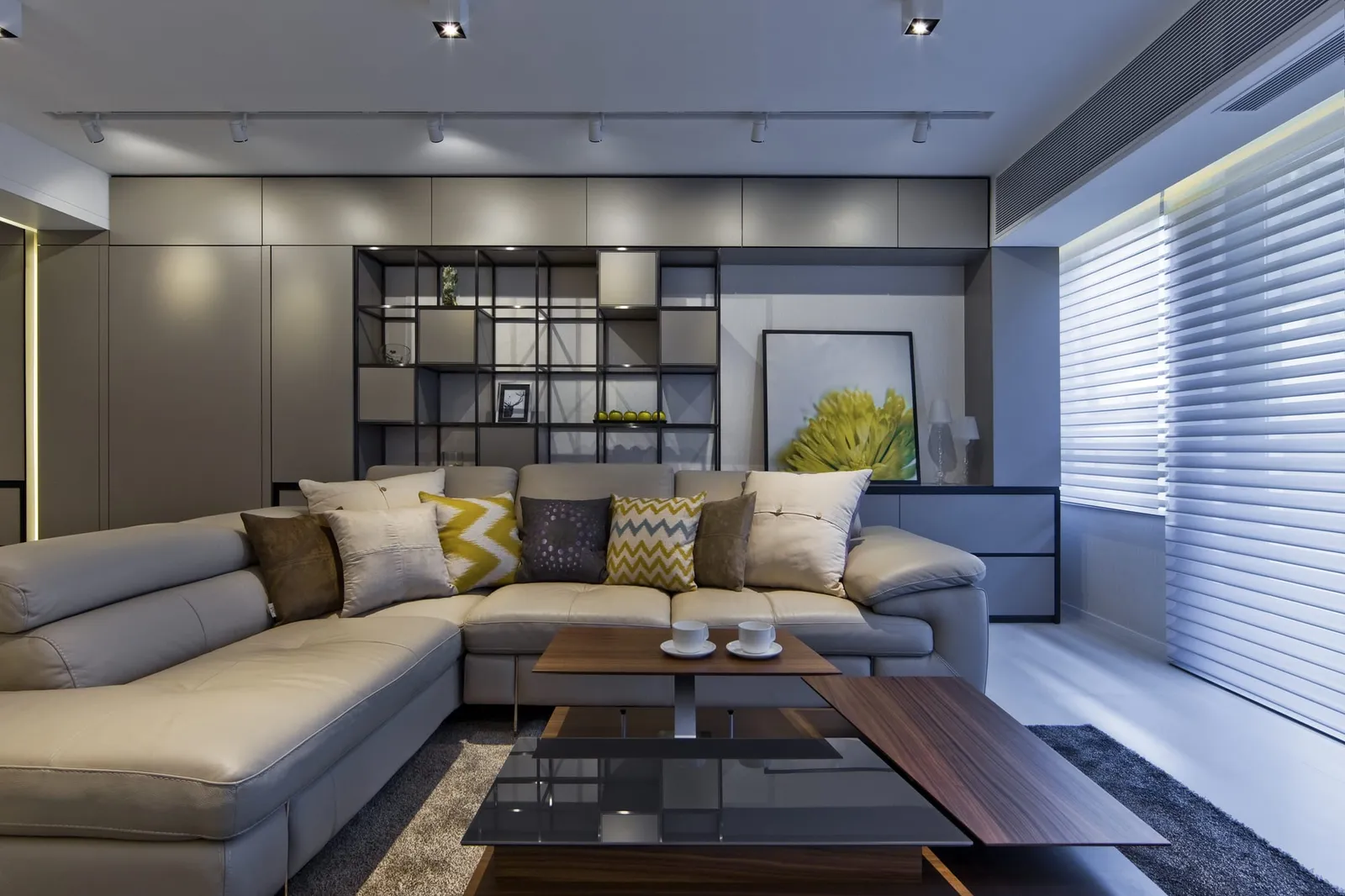
Cream style interior design has quietly become the most-requested look in Hong Kong homes, and it is easy to see why. Instead of the cool, hard edge of stark white, cream wraps a room in warm off-whites, soft curves and a gentle, milky calm that feels instantly like home. It photographs beautifully, but more importantly it lives beautifully, which is what really counts in a flat you use every day. This guide explains what the cream look actually is, the palette, materials and lighting that bring it to life, who it suits, and how to make it work in a compact local flat without it turning bland.
What cream style actually is
Cream style is a warm take on the soft, neutral home. Where a cool white scheme can feel a touch clinical, cream swaps in off-whites, oat, almond and beige, so the whole room reads as gentle and welcoming.
The signatures are rounded edges over hard corners, a tight family of warm neutrals rather than strong contrast, and tactile, comforting materials. The effect is cosy and calm, never cold. It is the kind of home you exhale in when you walk through the door, which is exactly why so many Hong Kong homeowners have fallen for it.
The palette, materials and lighting
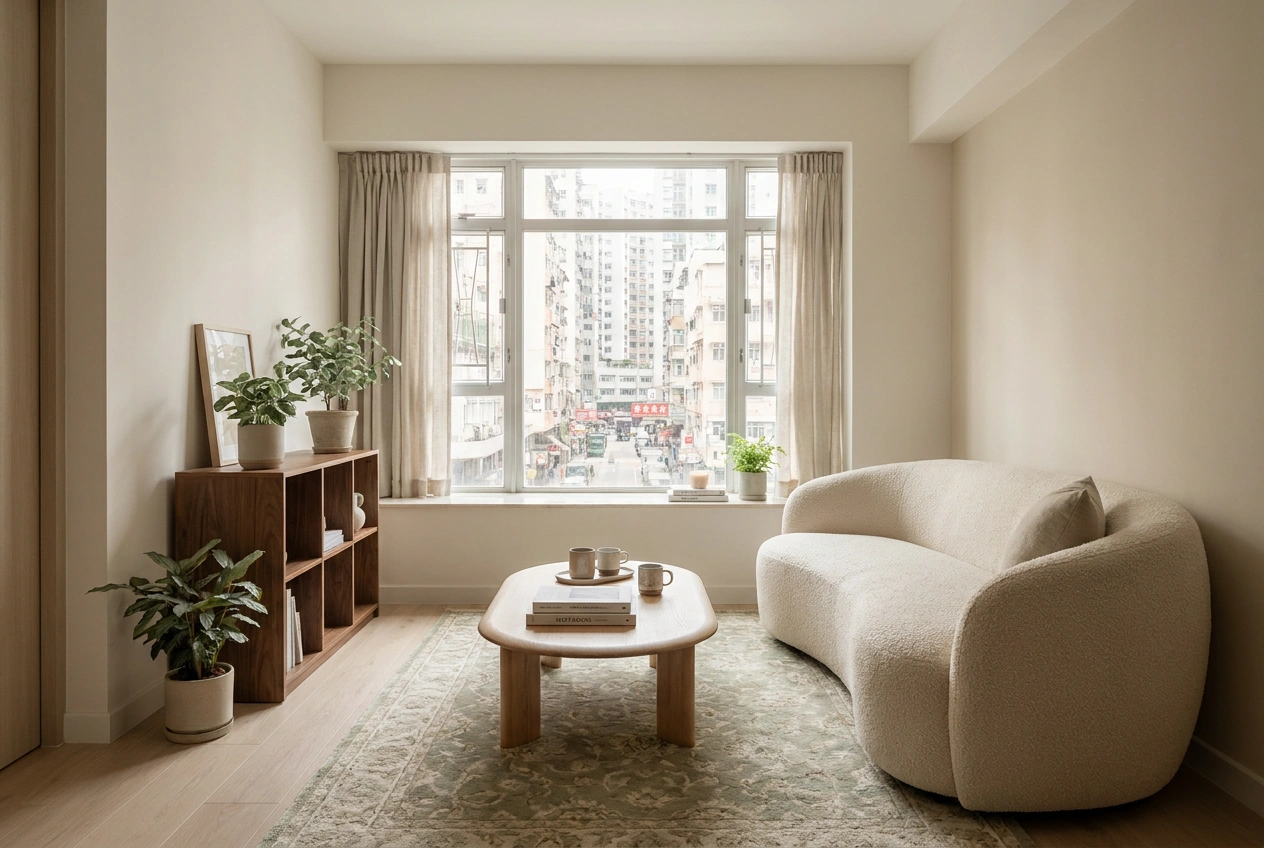
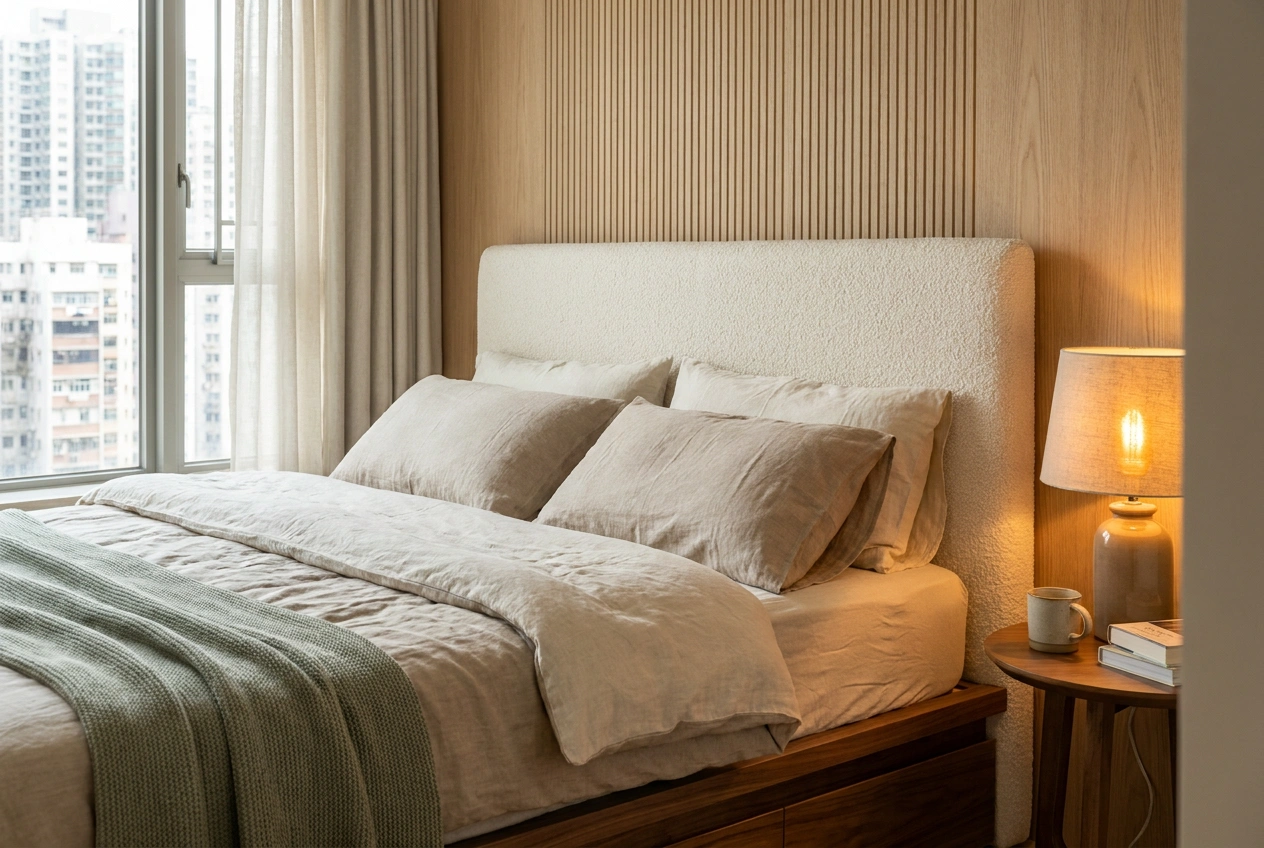
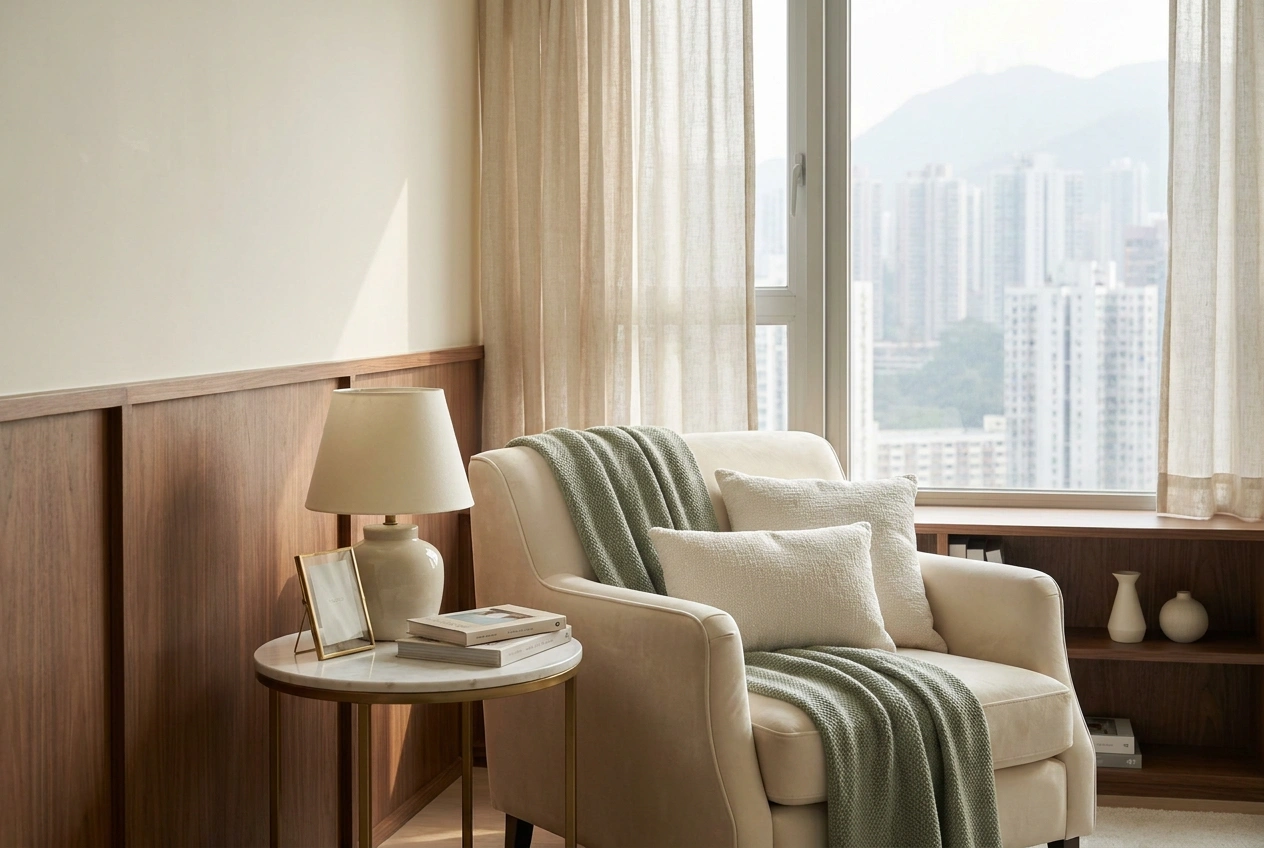
The palette is a narrow band of warm neutrals: creamy white walls, oat and sand textiles, pale natural wood, with everything kept close in tone so the room feels seamless rather than busy.
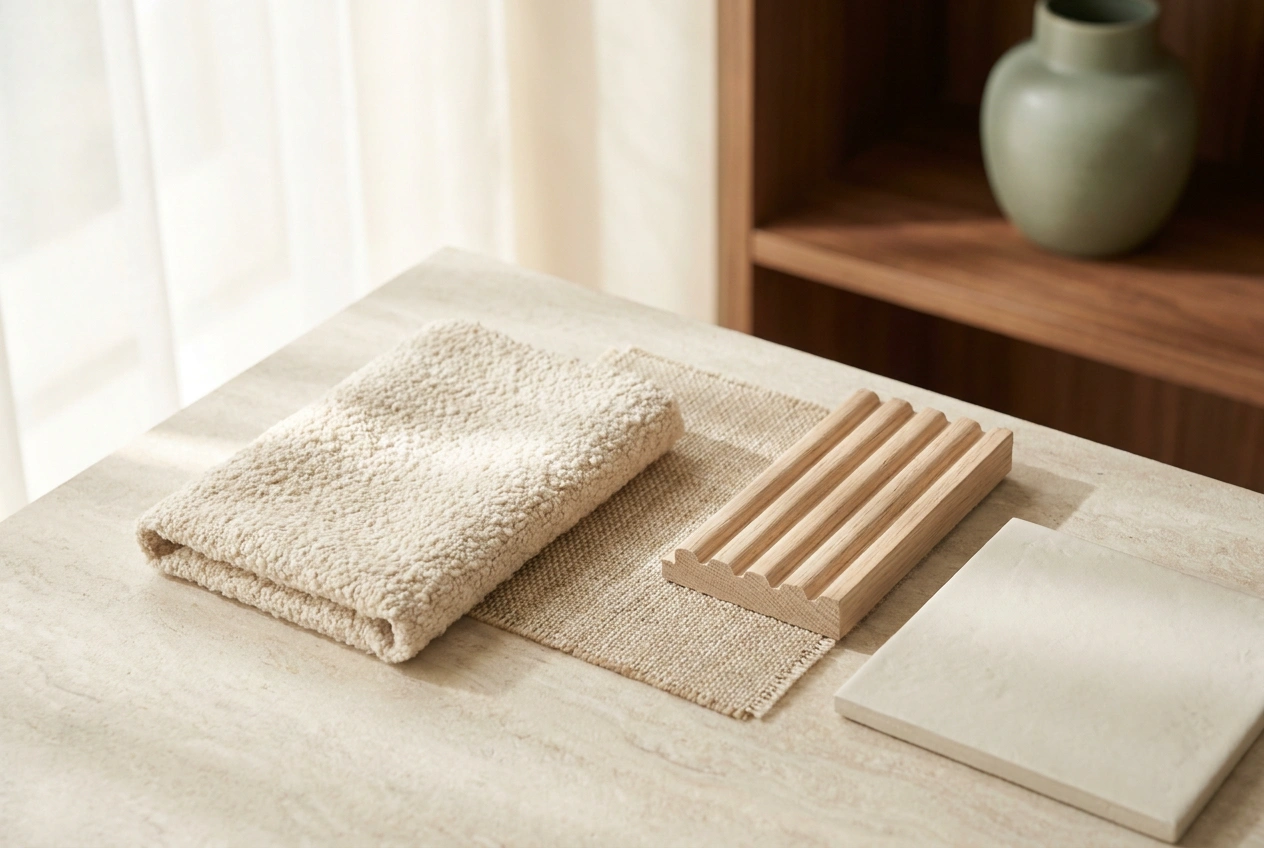
Materials lean soft and tactile: bouclé and brushed fabric, matt finishes over high gloss, a little fluted timber or plaster-look texture for quiet depth. Lighting is the secret ingredient. Warm-toned, layered light, hidden strips, wall washers, table lamps, keeps the mood soft. Avoid cold white bulbs; they undo the whole feeling in an instant. Warm, indirect light is what makes cream glow.
Who and which flats it suits
Cream style suits anyone who wants their home to feel calm, warm and unhurried, and it is especially kind to small flats, because a soft, close-toned palette makes walls recede and space feel larger.
It works in almost any flat, but it truly sings where there is reasonable natural light to bring out the warmth. In a darker flat it still works, as long as the artificial lighting is warm and well layered. Families like it because it is soothing and forgiving; couples like it because it feels quietly romantic without trying too hard.
How to do cream well in a small flat
In a compact flat, cream's close palette is a gift, because the lack of harsh contrast makes the space feel open and unbroken.
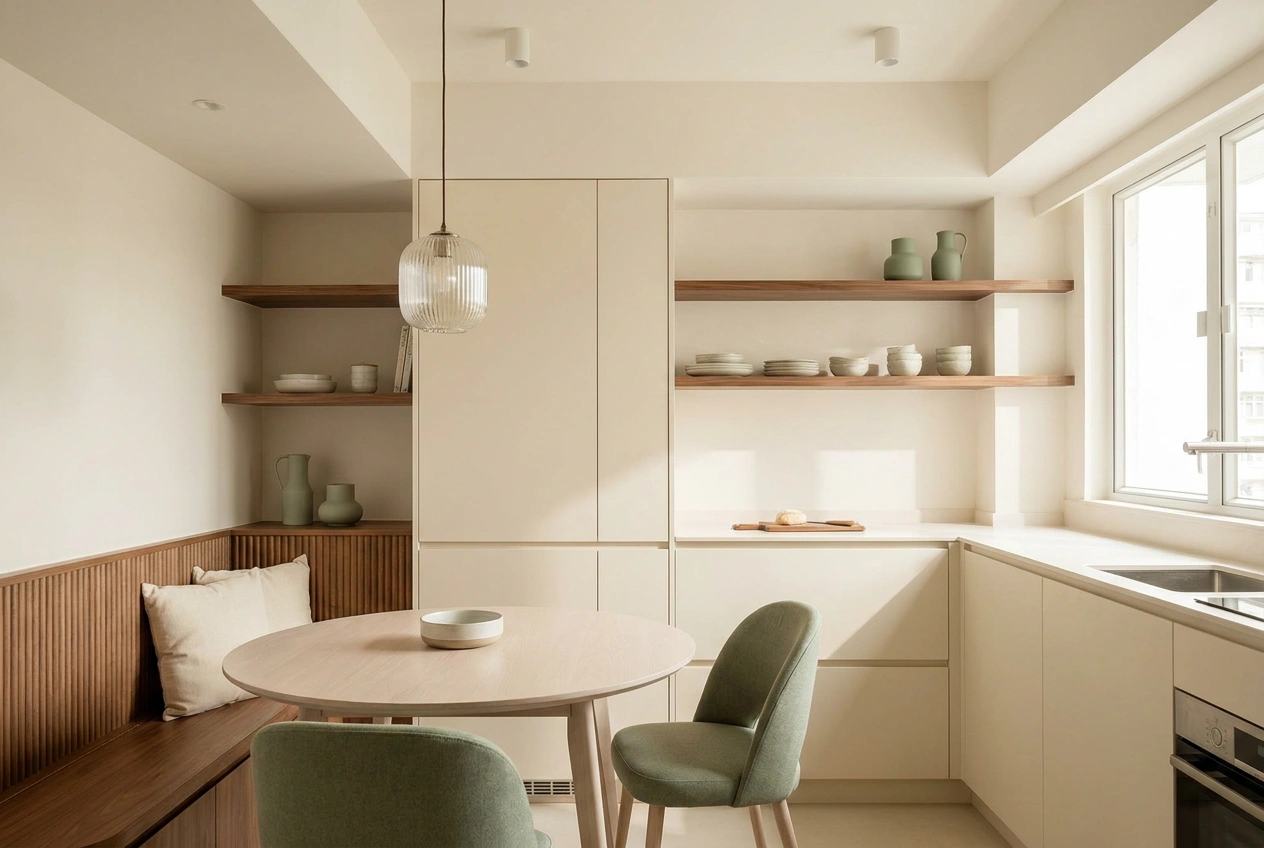
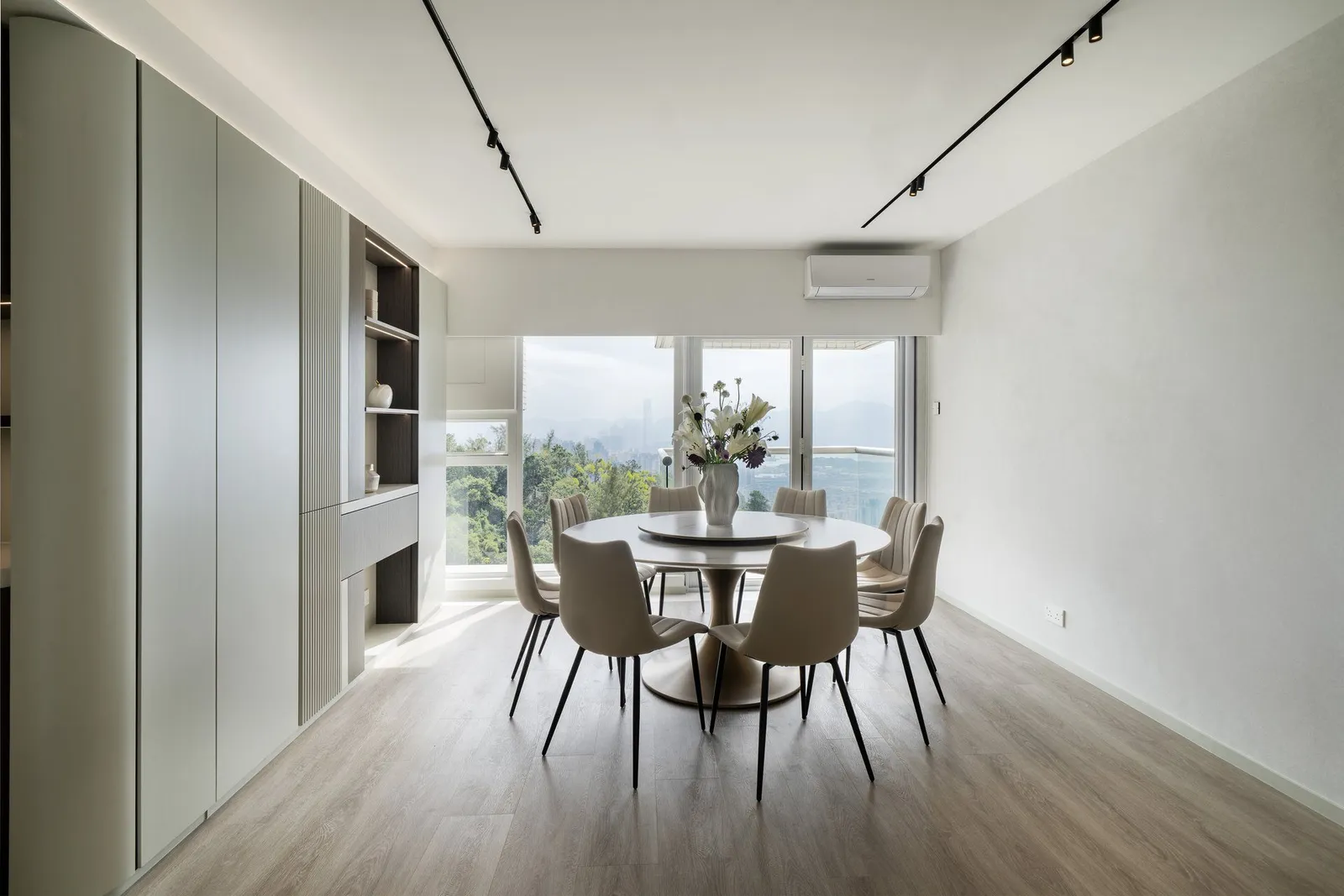
Carry the same warm white across walls, ceiling and built-in joinery so cabinetry melts away rather than chopping up the room. Choose soft, rounded furniture in proportion to the space, nothing oversized. Then layer texture, bouclé, wood grain, a ribbed panel, so the room has depth instead of reading flat. The aim is calm and seamless, with quiet richness in the materials rather than in colour or clutter.
Common mistakes to avoid
The first mistake is cold lighting. Cool white bulbs turn a warm cream scheme grey and lifeless, undoing all the careful material choices in one switch. Specify warm light from the start.
The second is flatness: an all-cream room with no texture can look bland and unfinished. The fix is layering, fabric, timber, subtle relief, not adding strong colour. The third is mismatched whites, where wall, cabinet and ceiling are three slightly different tones that quietly jar. Coordinating those warm whites is fiddly, and it is one of the details we get right for clients so the finished room feels intentional rather than almost-there.
Cream, or a softer hybrid?
Cream rarely has to stand entirely alone. Many of the homes we design lead with a cream warmth and borrow calm from its close relatives.
Cream with a Japandi influence adds natural wood and a touch more structure. Cream with a light-luxury accent introduces a hint of sheen or a marble-look surface for a more elevated feel. Because these styles share the same soft, warm instinct, they blend without clashing. If you love cream but want a little more depth or polish, a considered hybrid is often the answer, and it is exactly the kind of brief we enjoy shaping at a free first consultation.
Open WeChat, Discover, Scan
Or save the QR and import it from your gallery.